
Turkish Study Finds Plastic Tea Bags Release Up to 2,498 Microplastics and BPA per Cup
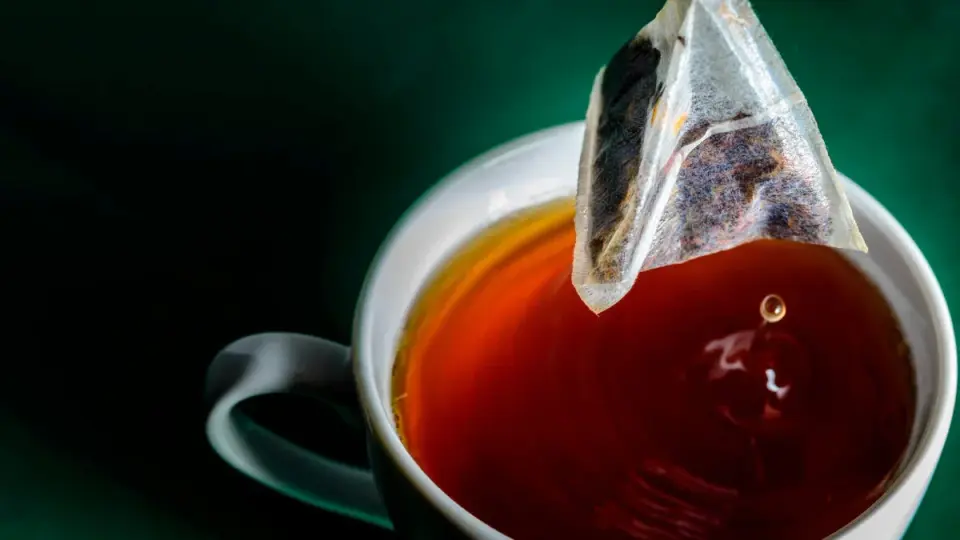
A study by researchers at Recep Tayyip Erdogan University in Türkiye reveals that plastic-mesh tea bags release between 555 and 2,498 microplastic particles per cup, along with bisphenol A (BPA) and phthalates. While loose-leaf tea contains significantly fewer particles, the study warns that BPA levels from plastic bags can reach 21.7% of the European Food Safety Authority’s tolerable daily intake, posing potential risks for vulnerable groups like pregnant women and children.
Key points
- Researchers Necla Pehlivan and Kenan Gedik tested 14 plastic-bag brands, 10 cellulose-bag brands, and 14 loose-leaf brands, finding plastic bags shed 555 to 2,498 microplastic particles per cup.
- Loose-leaf tea contained only 0.3 to 2.4 particles per cup, with contamination likely originating from environmental accumulation or processing rather than packaging.
- BPA levels in plastic-bag tea reached 21.7% of the European Food Safety Authority’s tolerable daily intake, described by researchers as a critical warning for vulnerable populations.
- The study identified ortho-phthalates, including di(2-ethylhexyl) phthalate (DEHP), which may pose long-term cancer risks with high-volume consumption.
- The researchers recommend stringent oversight of thermal stability in food-grade polymers used in tea bag manufacturing to mitigate health risks.
Background
This study builds on earlier concerns about microplastic contamination in food and beverages. Previous coverage highlighted that plastic tea bags release significant amounts of microplastics and chemicals like BPA into hot water, raising concerns about long-term health impacts despite current safety standards. The new findings provide specific quantitative data on particle counts and chemical leaching, emphasizing the need for regulatory scrutiny of packaging materials.
How outlets are covering it
Gizmodo emphasizes the health risks for vulnerable groups, noting that while the researchers deemed the risk of hormonal disruption 'negligible' at current doses, the BPA levels are a critical warning. The New York Post highlights the broader context of microplastic pollution, noting that 159 million Americans drink tea daily and that plastic bags shed polyamide fibers into hot water. Wide Open Country focuses on the contrast between plastic-bag and loose-leaf tea, stressing the potential hazards of BPA and phthalates. All sources agree on the need for consumers to consider loose-leaf tea or plastic-free alternatives, but they differ in emphasis: Gizmodo and the New York Post focus on the chemical risks, while Wide Open Country highlights the practical advice for consumers.
Why it matters
The study underscores the hidden health risks associated with everyday consumer products, particularly those involving hot water and plastic packaging. As microplastics and endocrine-disrupting chemicals like BPA are linked to various health issues, including cardiovascular problems and cancer, the findings call for stricter regulations on food-grade polymers. Consumers are advised to opt for loose-leaf tea or brands that use plastic-free packaging to reduce exposure to these contaminants.
What to watch
The researchers recommend implementing stringent oversight of the thermal stability of food-grade polymers and adhesives used in tea bag manufacturing. Consumer advocacy groups may push for clearer labeling on tea bags regarding plastic content, and regulatory bodies may review existing safety standards for BPA and phthalates in food packaging. Brands like Tetley, which use a small amount of plastic for sealing, may face pressure to transition fully to biodegradable or plastic-free alternatives.
- Tea Bags Can Leach BPA, Thousands of Microplastics per Cup Gizmodo
- Plastic tea bags are releasing BPA, plasticizers and up to 2,500 microplastic particles into your cup of tea Medical Xpress
- ‘Critical warning’ as thousands of microplastic particles are found in popular beverage New York Post
- Plastic Tea Bags Can Dose Your Brew With Hormone-Disrupting Chemicals And Thousands Of Microplastics IFLScience
- Thousands of Microplastic Particles in One Cup? Study Points to Popular Drink Wide Open Country
Want the full story? Read the original reporting
Read on Gizmodo