
Ukraine Strikes Key Russian Refineries Again as Fuel Crisis Deepens
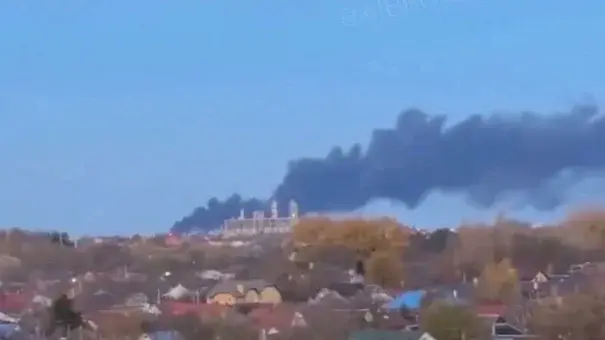
Ukraine’s General Staff confirmed a large-scale drone attack on the Afipsky and Ilsky oil refineries in Russia’s Krasnodar region on Nov. 18, marking the second strike on both facilities this month. The attacks, which hit storage tanks and processing units, are part of a broader campaign that has reduced Russian oil refining volumes by 30% since late October. While Kyiv frames the strikes as self-defense to cut off fuel for Russian forces, the resulting fuel shortages have forced Moscow to impose strict purchase limits and mandate the production of lower-grade gasoline across multiple regions.
Key points
- Ukraine’s General Staff confirmed that drones struck the Afipsky and Ilsky refineries in Krasnodar, targeting storage tanks and processing units.
- The two facilities have a combined annual processing capacity of approximately 13 million tons of oil, serving as a key supply route for Russian forces in the south.
- Russian officials reported four injuries and fires at two industrial sites, with debris found at nine other locations, including residential areas.
- Ukrainian President Zelenskyy praised domestic drone technology, linking the refinery strikes to a recent attack on the Kerch Bridge that damaged Russian logistics.
- Russian refining volumes have dropped from 700,000 metric tons per day in late October to 500,000 tons by mid-November, a 30% decline.
- Fuel shortages have led to purchase limits in at least eight Russian regions, with Moscow mandating the production of lower-grade Euro-2 gasoline to mitigate the crisis.
Background
This latest escalation follows a resumption of Ukrainian strikes on Russian refineries in late October, after a brief pause coincided with US-brokered peace talks in Abu Dhabi. In October, Ukrainian precision strikes on specific refinery components, such as desalting and distillation units, idled up to 50% of Russia’s refining capacity, exploiting international sanctions that hinder repair efforts. The current crisis has forced Moscow to reintroduce nationwide fuel caps and mandate the production of lower-grade gasoline, a category banned in 2013, as total oil processing capacity falls to roughly one-third below pre-war levels.
How outlets are covering it
Kyiv Post emphasizes the strategic impact of the strikes on Russian military logistics, noting that the targeted refineries are among the largest in southern Russia and serve as the shortest supply route for fuel to front-line forces. The outlet highlights the cumulative effect of the campaign, which has reduced refining volumes by 30% and triggered fuel shortages in multiple regions. AP News, in contrast, frames the strikes within the broader context of Ukrainian domestic defense technology, with President Zelenskyy praising Ukraine’s drone capabilities and comparing them to global leaders. AP also notes the Pentagon’s argument that strikes deep inside Russia are counterproductive, a view disputed by Ukraine’s European backers. While both sources confirm the attacks, Kyiv Post focuses on the economic and military consequences for Russia, whereas AP highlights the diplomatic and technological dimensions of the conflict.
Why it matters
The strikes underscore the growing impact of Ukrainian drone campaigns on Russia’s energy sector, a mainstay of its economy. The resulting fuel shortages and production of lower-grade gasoline could exacerbate inflation and social unrest in Russia, while also affecting global energy markets. For Ukraine, the strikes demonstrate the effectiveness of its domestic defense industry and its ability to target critical infrastructure deep inside Russian territory. The crisis also highlights the broader geopolitical implications of the war, as US President Donald Trump plans to discuss the conflict with Chinese President Xi Jinping and Russian President Vladimir Putin during a visit to China, potentially influencing future peace negotiations.
What to watch
Russia is likely to intensify its air defenses and accelerate repairs to damaged refineries, while also exploring alternative fuel sources and imports. Ukraine may continue its campaign against Russian energy infrastructure, targeting additional refineries and logistics hubs to further disrupt Russian military operations. Diplomatic efforts, including US-mediated talks, may resume, but the ongoing strikes and civilian casualties in Ukraine suggest that a lasting peace remains elusive. The situation could also lead to further international sanctions or diplomatic pressure on Russia, as the fuel crisis deepens and global energy markets react to the reduced refining capacity.
- Ukraine Hits 2 Major Russian Refineries Again as Fuel Shortages Spread Across at Least 8 Regions Kyiv Post
- Ukraine says it hit 2 Russian oil refineries as Zelenskyy hails weapons produced in the country AP News
- EXCLUSIVE: Drone attacks nearly halve Russia's November oil refining, sources say Reuters
- Ukraine Strikes Samara Urals Oil Hub and Lipetsk-2 Airbase Kyiv Post
- Ukrainian drones knock out 36% of Russia's oil refining capacity in under two weeks The New Voice of Ukraine
Want the full story? Read the original reporting
Read on Kyiv Post