
Zelenskyy vows to escalate strikes on Russian oil refineries in response to Moscow's new civilian targeting doctrine
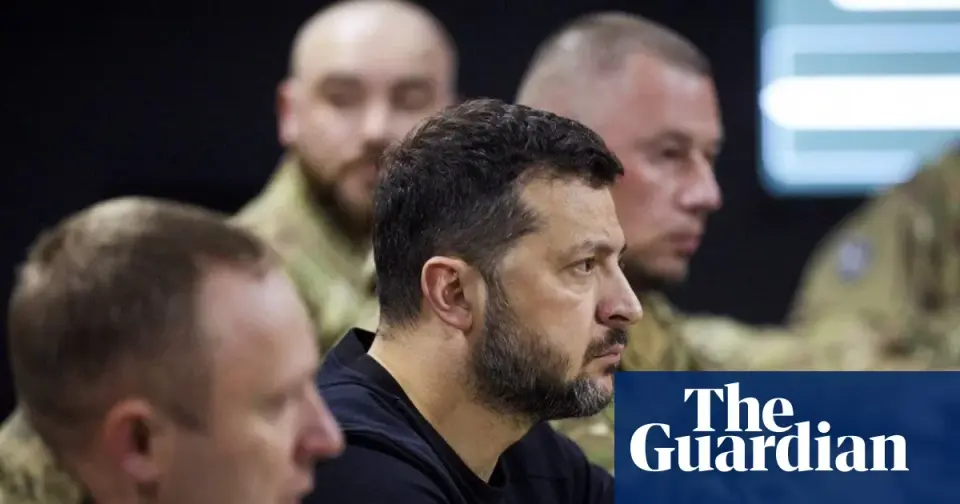
Ukrainian President Volodymyr Zelenskyy announced that Kyiv will intensify attacks on Russian oil refineries to counter a new Russian military doctrine that explicitly targets civilian infrastructure to force evacuations. This escalation follows a series of Russian strikes on Kyiv’s Northern Bridge and other civilian sites, which Zelenskyy claims are designed to pressure citizens to leave the capital. While Ukraine vows not to target civilians in retaliation, it is expanding its long-range capabilities, including strikes on the Samara and Bryansk regions. Simultaneously, Germany’s Chancellor Friedrich Merz visited Kyiv to pledge continued support, and Latvia’s pro-Ukraine party won its parliamentary election, signaling sustained Western backing despite rising Russian aggression.
Key points
- Zelenskyy stated that Ukraine will increase attacks on Russian oil refineries to disrupt funding for the war, explicitly vowing not to target civilian objects in retaliation.
- Ukrainian intelligence claims to have obtained documents showing Putin has issued a new doctrine allowing attacks on schools, hospitals, and roads to force civilians out of cities like Kyiv.
- Russia’s recent strikes killed at least six people in Ukraine and damaged the Northern Bridge in Kyiv, disrupting traffic for a third consecutive day.
- Ukraine’s 'Vivaldi' counteroffensive has recaptured approximately 140 square kilometers of the Donbas region, a setback for Moscow’s preconditions for peace.
- Germany’s Chancellor Friedrich Merz arrived in Kyiv with defense CEOs to pledge support, while Latvia’s pro-Ukraine United List party won its parliamentary election with 36.5% of the vote.
Background
This escalation follows a pattern of intensifying energy strikes as winter approaches. In late September, Russia launched its largest energy grid assault on Kyiv since the previous heating season, killing three and damaging critical infrastructure. Earlier in August, Ukraine retaliated against a deadly mall attack by striking Russian refineries. The current situation represents a significant shift in Russian strategy, moving from energy-focused strikes to a broader doctrine aimed at civilian displacement, as detailed in intelligence documents reviewed by Kyiv.
How outlets are covering it
The Guardian and Al Jazeera both report on Zelenskyy’s claim that Russia has adopted a new doctrine targeting civilian sites to force evacuations, with Al Jazeera noting that Russia has effectively blockaded Black Sea ports by attacking civilian vessels. The Financial Times headline suggests Putin has told military leaders to 'abandon rules of war,' though the full article is paywalled. Ukrainska Pravda emphasizes the specific targets of Ukrainian retaliation, noting strikes on the Samara and Bryansk oblasts, including Iskander missile positions. While all sources agree on the escalation of violence, they differ in emphasis: The Guardian focuses on the strategic response regarding oil refineries, Al Jazeera highlights the humanitarian impact and blockade of ports, and Ukrainska Pravda details the specific military targets hit in Russia.
Why it matters
The shift in Russian doctrine to target civilian infrastructure directly threatens the stability of Ukrainian cities and could force mass displacement, complicating any potential peace negotiations. Ukraine’s decision to target oil refineries aims to strike at the financial foundation of the Russian war effort, potentially impacting global energy markets. The continued support from Western allies, evidenced by Merz’s visit and Latvia’s election results, indicates that despite the escalation, Western commitment to Ukraine remains strong, though the humanitarian situation in Kyiv is deteriorating rapidly.
What to watch
Ukraine expects to receive its first shipment of small, cheap air defense missiles in the second half of October to counter jet-powered Shahed drones. Zelenskyy warned the US not to believe in 'illusions' that Russia would end the war if it gained control of the Donbas, as no exact date for trilateral talks has been set. Germany is expected to fund tens of thousands of interceptor drones for Ukraine, and Ukraine is developing a longer-range ballistic missile, the FP-9, for deployment by autumn.
- Ukraine war briefing: Kyiv to increase oil refinery attacks because of Moscow’s winter strategy, Zelenskyy says The Guardian
- EXCLUSIVE: Ukraine will hit Russian refineries in response to Moscow's 'new doctrine' of airstrikes, Zelenskiy says Reuters
- Putin has told military leaders to abandon rules of war, Zelenskyy says Financial Times
- Russia’s ‘new doctrine’ targets civilian sites in Ukraine, Zelenskyy says Al Jazeera
- Ukraine has hit targets in Russia's Samara and Bryansk oblasts, Zelenskyy says – video Українська правда
Want the full story? Read the original reporting
Read on The Guardian