
Damascus Glassblower Maintains Centuries-Old Craft Amid Post-War Economic Strain
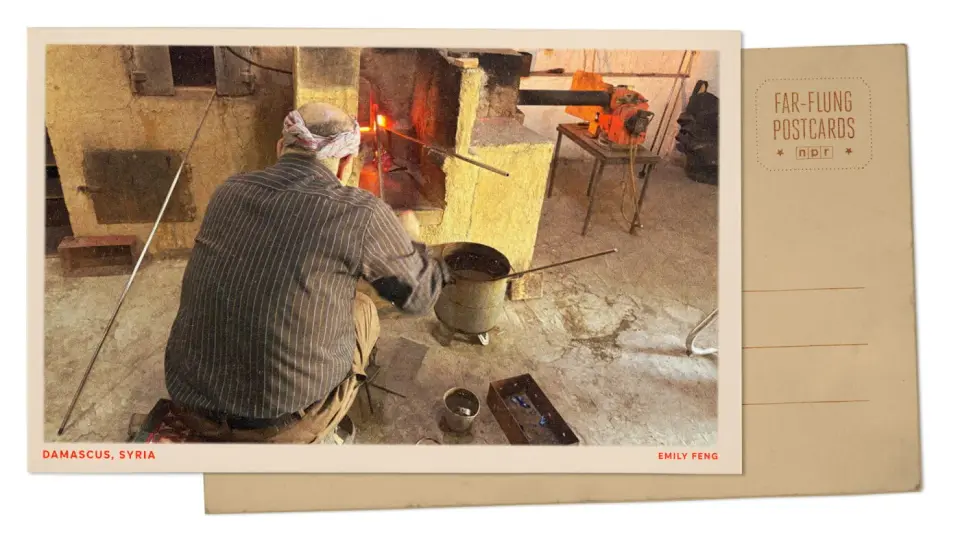
A traditional glassblower in Damascus continues producing colorful cups and lamps using unchanged techniques, despite high heat and a struggling economy where basic goods have become luxuries for many.
Key points
- The artisan works in a shop on the edge of Damascus’s historic Old City, enduring 100-degree summer temperatures to shape glass.
- He produces cups, oil jars, and decorative lamps in various jewel colors using methods that have remained consistent for decades.
- The shop appears largely empty, reflecting the ongoing economic difficulties in Syria despite the end of the nearly 14-year civil war.
- Rising inflation has increased the cost of living significantly over the past year, making even simple items like glassware unaffordable for some residents.
- The scene highlights a contrast between the slow, meditative process of traditional craftsmanship and the rapid pace of modern news cycles.
Background
Syria has recently concluded a civil war that lasted nearly 14 years. While the conflict has ended, the country faces severe economic challenges, including high inflation and a struggling economy. This situation affects daily life and the viability of traditional trades, as seen in the quiet state of the glassblower’s shop.
Why it matters
The story illustrates the human impact of post-conflict economic recovery, showing how inflation and hardship affect traditional artisans and the affordability of basic goods. It also highlights the resilience of cultural practices that persist despite modern pressures and economic instability.
What to watch
The economic situation in Syria will likely continue to influence the viability of traditional crafts and the cost of living for residents. The glassblower’s continued work suggests a persistence of cultural traditions, but the empty shop indicates that broader economic recovery remains slow and uneven.
Want the full story? Read the original reporting
Read on npr.org