A traditional glassblower in Damascus continues producing colorful cups and lamps using unchanged techniques, despite high heat and a struggling economy where basic goods have become luxuries for many.
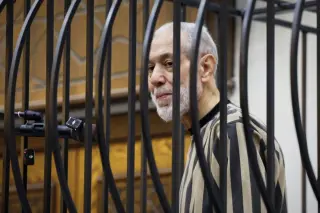
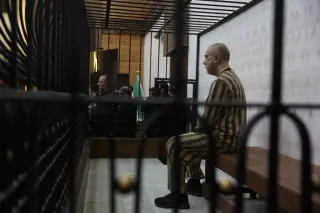
Syria’s former grand mufti Ahmad Badreddine Hassoun, who served under ousted President Bashar al-Assad, was sentenced to life in prison by a Damascus court at the Palace of Justice, with Judge Fakhreddine al-Aryan reading the ruling.
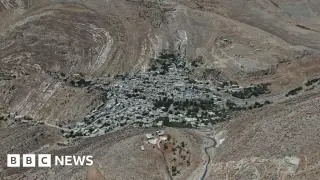
Syria condemned an Israeli strike on the village of Beit Jinn near Damascus that wounded civilians, calling it a violation of sovereignty and international law; the attack was the second strike in about a week, with Israel saying it targeted a terrorist in the final stages of planning an imminent attack. The incident follows reports of another strike near the Turkish border and a rare U.S. rebuke, with comments about Turkey's involvement adding regional tension.
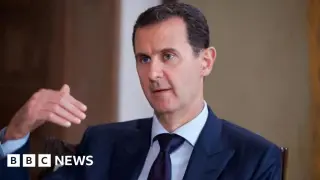
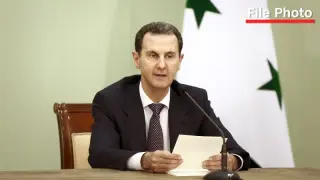
A Damascus court convicted and sentenced Bashar al-Assad to death in absentia for war crimes and crimes against humanity committed during Syria’s civil war, marking the first verdict against him while he remains in Moscow after fleeing in 2024. His cousin Atef Najib and several other former officials were also handed death sentences in absentia; extradition from Russia remains uncertain.
A Syrian court in Damascus sentenced ousted president Bashar al-Assad and his brother Maher to death in absentia for crimes against humanity and war crimes during Syria’s 14-year conflict; Assad’s maternal cousin Atef Najib was also given the death penalty in the same case, with the verdict broadcast on state TV as the Assads reside in Russia and Damascus seeks their extradition.
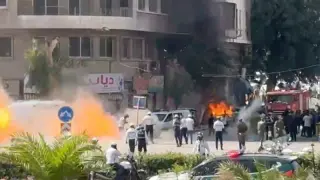
Two explosions in central Damascus wounded 18 people near Macron's hotel and convoy; authorities say devices were found and detonated by security forces, and no group has claimed responsibility, though analysts say Macron was likely the target. Macron and al-Sharaa's meetings continued as France signals plans to aid Syria's reconstruction, including banking and transport, with potential CMA CGM deals as part of broader post-conflict cooperation.
Explosions in Damascus wounded at least 18 as French President Emmanuel Macron met Syria's new leadership, with authorities saying devices were placed in a garbage bin and a parked car near the Four Seasons Hotel where Macron stayed; Macron's talks continued, the attack highlighting ongoing security challenges even as Damascus pursues Western engagement and reconstruction deals.
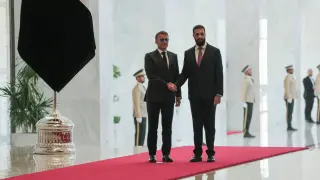
Two blasts hit near the Four Seasons hotel in Damascus as French President Emmanuel Macron met Syria’s president Ahmed al-Sharaa, injuring at least 18 people including four police officers. Macron was unharmed and was at the presidential palace when the explosions occurred. The attacks, described as involving primitive devices found by security teams, are under investigation, with reports from Syrian state media (SANA) and BFMTV noting the location was outside Macron’s security perimeter. The visit marks a rare Western leader’s trip to Syria since the Assad regime’s 2024 rise, with further context provided by ongoing regional security assessments.
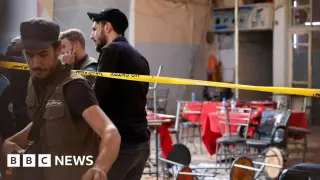
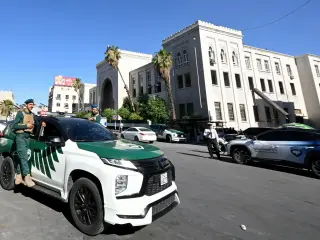
A bomb exploded inside a crowded cafe in central Damascus, killing six and injuring 22, according to Syrian state media. The device was planted inside the cafe near the Palace of Justice; no group has claimed responsibility. It is the deadliest bombing in Damascus since a June 2025 church attack. Eyewitnesses described a chaotic scene, and authorities vowed to punish those responsible as Syria remains unstable after years of civil war.
A bomb exploded in a crowded Damascus cafe near the Palace of Justice, killing at least nine and wounding 22; the device was reportedly placed under a table by an unidentified attacker, and no group has claimed responsibility, though officials warn that remnants of the old regime and other bad actors could use such attacks to destabilize Syria as high-profile trials continue.
A blast inside a busy Damascus cafe on Al-Nasser Street killed at least four people and injured about ten, with authorities launching an investigation and security forces sealing off the area as they probe the cause.
Syria’s first public trial of Assad-era security officials began in Damascus at the Palace of Justice, with Atef Najib, the former head of the Political Security Branch in Daraa, appearing as a defendant in a case activists say marks a notable step toward accountability for abuses during the uprising.
Iran launched a missile barrage targeting southern and central Israel, killing one man and injuring several others; Israel intercepted missiles over southern areas and Damascus, while police and rescue teams investigate shrapnel incidents and assess multiple impact sites as a fourth alert was issued.
The United States has shifted away from backing the Kurdish-led Syrian Democratic Forces after a rapid string of clashes and a Damascus offensive that eroded SDF power. A U.S.-mediated ceasefire led to the SDF signing a deal to dissolve its separate command and integrate fighters into the Syrian army, leaving a limited presence only in Hassakeh. The move marks a major realignment of U.S. policy toward Syria’s postwar governance and reflects deep disagreements over decentralization and minority protections, with Washington choosing not to intervene as the SDF hoped for continued U.S. backing if conflict with Damascus resumed.
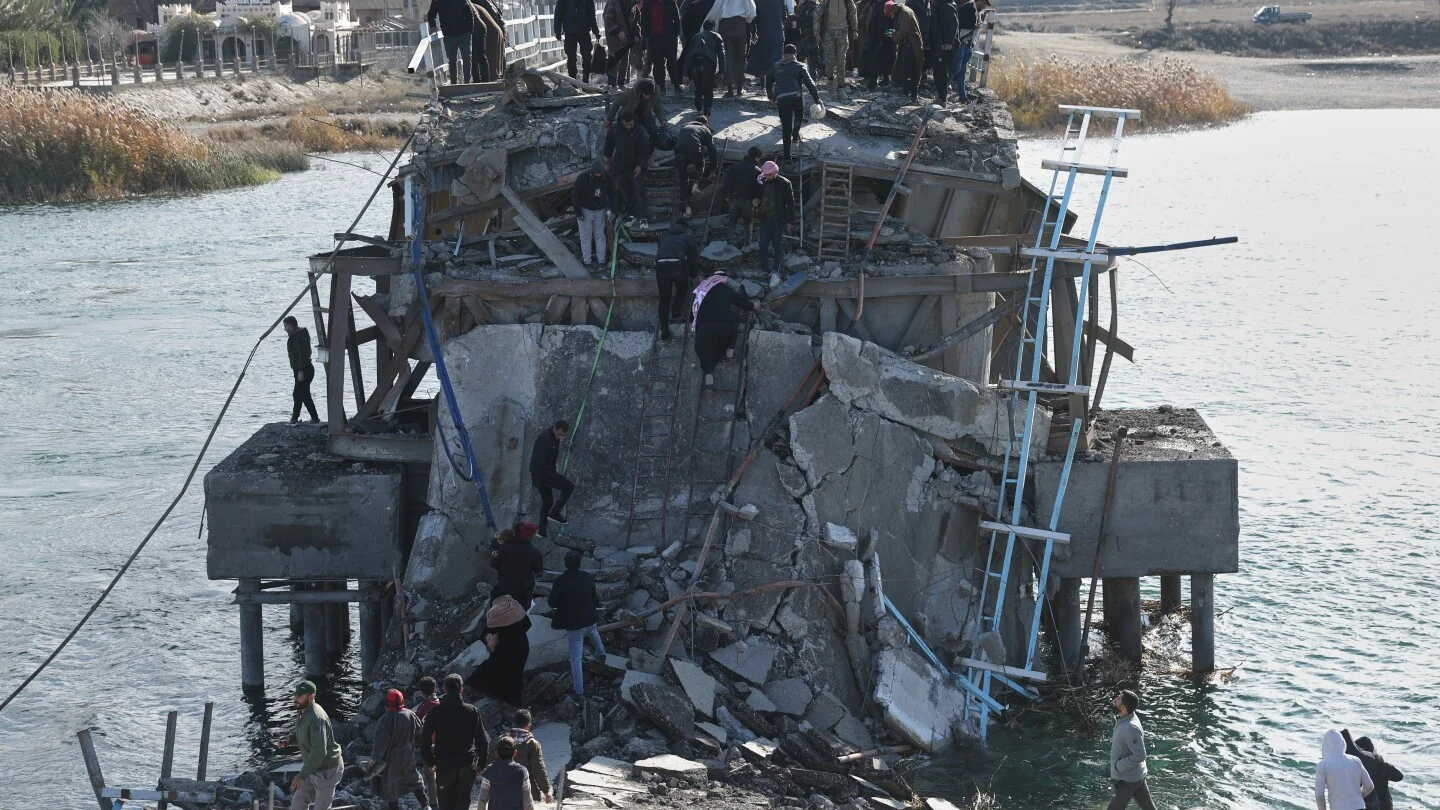
Syrian government forces pushed into Kurdish-held areas in the north, capturing Tabqa and its adjacent dam along with the Raqqa region’s Freedom dam, as a stalled plan to integrate Kurdish forces into the state collapsed. The Kurdish-led SDF withdrew east of the Euphrates but accused Damascus of violations and betrayal, despite international calls for de-escalation. US and allied efforts to curb the fighting continued, with clashes around oilfields and strategic posts as the government seeks to consolidate control north of Aleppo.