A traditional glassblower in Damascus continues producing colorful cups and lamps using unchanged techniques, despite high heat and a struggling economy where basic goods have become luxuries for many.
Syria faces its most significant unrest since the fall of the Assad regime in December 2024, triggered by a sharp increase in fuel costs. The government raised diesel prices by 40% and petrol by nearly 30%, citing global market volatility and refinery maintenance. Protesters blocked major highways and burned tires in cities including Aleppo, Hama, and Homs. While officials argue the hikes are temporary and necessary for economic stability, the move has exposed a deep disconnect between the government's recovery promises and the daily reality of a population living in poverty. The Syrian parliament has summoned the energy minister to address the crisis, highlighting the tension between international sanctions relief and domestic affordability.
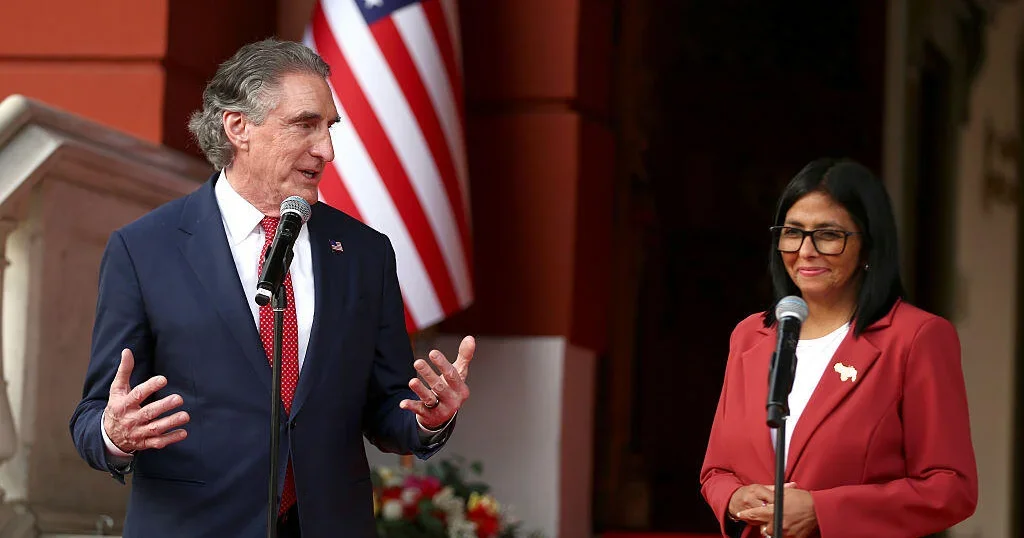
The United States and Venezuela's interim authorities agreed to reestablish diplomatic and consular relations for the first time since 2019, launching a phased process to promote stability, support Venezuela's economic recovery, and advance a transition to a democratically elected government, following high-level visits and leadership changes.
New Zealand’s Reserve Bank keeps the Official Cash Rate at 2.25% and says inflation is likely to return to the 1–3% target range in the first quarter of 2026. The economy shows early recovery with strong commodity and regional activity, but households remain cautious, unemployment stays elevated, and house-price growth is weak. Policy is expected to normalize gradually as inflation moves toward the midpoint of the target band.
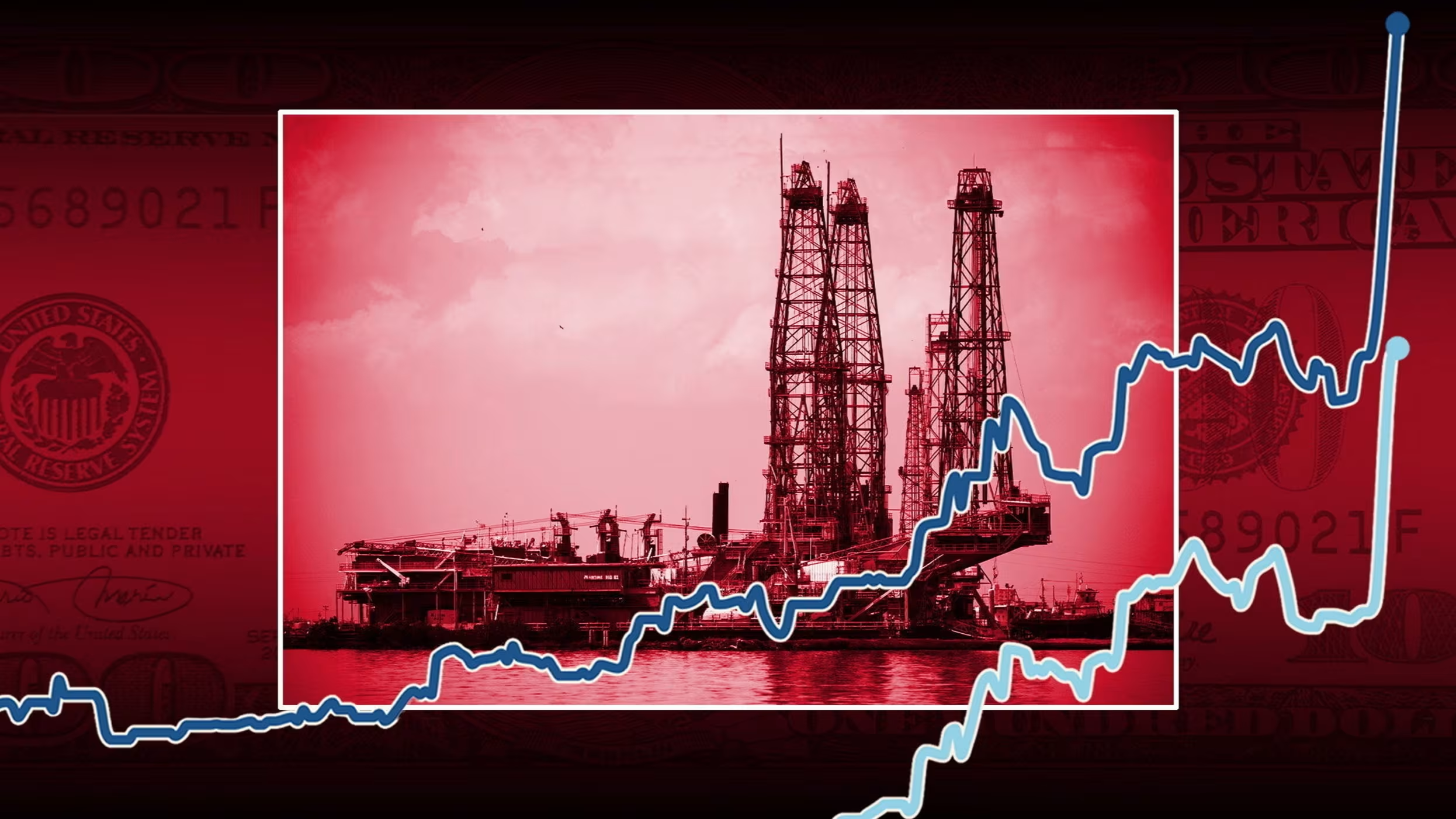
The article discusses whether Venezuela can resolve its ongoing debt issues amidst its broader economic crisis, exploring potential solutions and international support options.
Argentina has fully repaid its $20 billion credit line from the Trump administration, a move seen as a positive step towards restoring confidence in its economy, though challenges like low foreign reserves remain.
Argentina has repaid its US financial aid as Javier Milei gains prominence amid a market crisis, signaling a potential shift in the country's economic landscape.
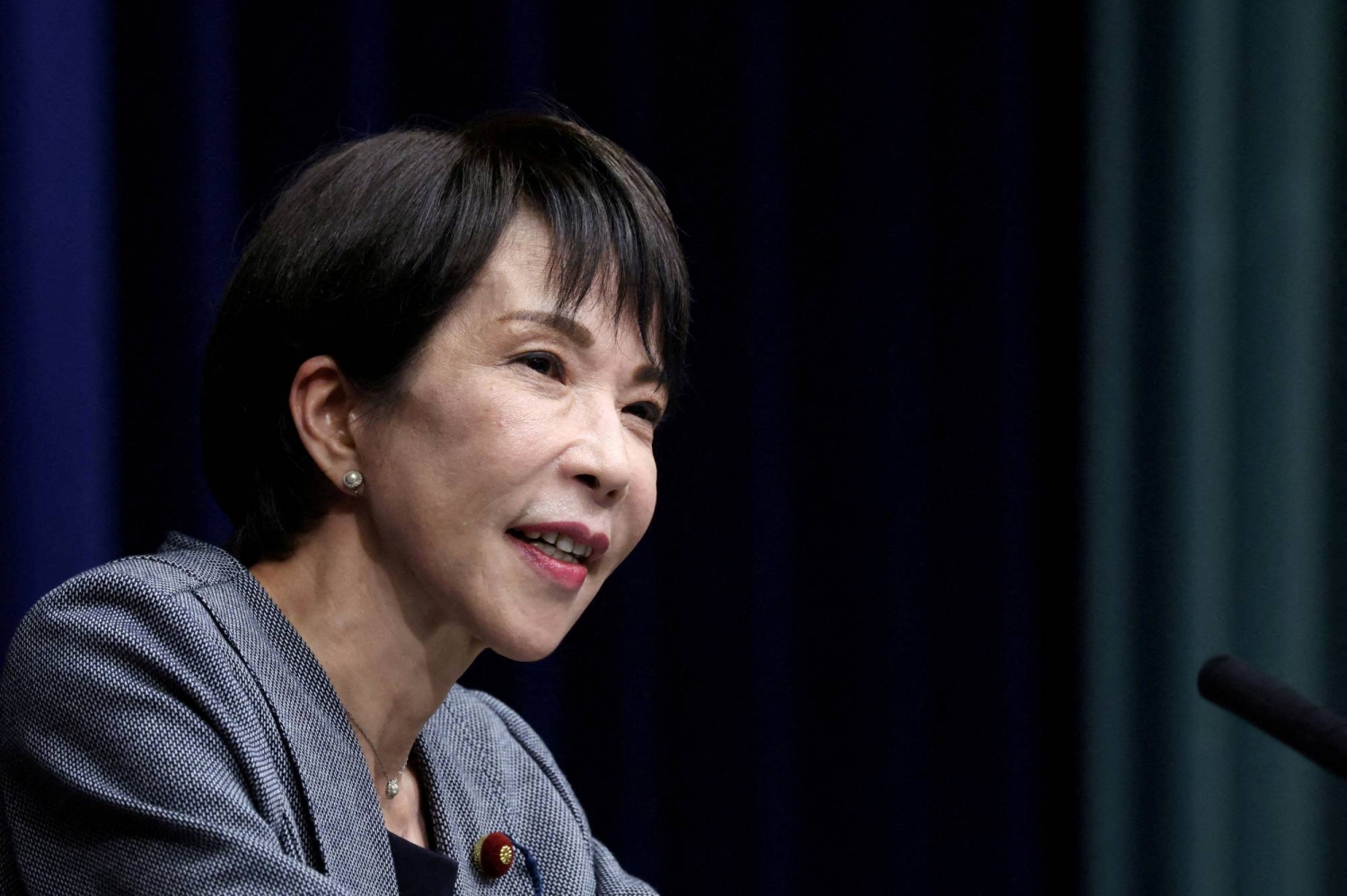
Japan is projected to achieve its first primary budget surplus in 28 years by 2026, as the government aims to balance economic growth with fiscal sustainability, with Prime Minister Sanae Takaichi highlighting the record budget and efforts to address long-standing financial concerns.
Thailand has temporarily lifted its longstanding afternoon alcohol ban for a six-month trial to boost tourism, allowing alcohol sales from 14:00 to 17:00, just ahead of peak holiday seasons, as part of efforts to revitalize the economy and attract more visitors.
A year after Hurricane Helene devastated Asheville, the city is hoping for a strong fall tourist season to help revive its struggling hospitality sector, which has faced significant losses, closures, and workforce challenges due to the storm's destruction and ongoing economic headwinds.
Greece has transformed its inefficient tax system into one of Europe's most effective through digital innovation, boosting revenue, achieving a budget surplus, and improving its credit rating, despite ongoing social challenges.
A top analyst from Morgan Stanley suggests that Elon Musk's DOGE-driven government layoffs mark the end of a three-year rolling recession in the US, with signs of a recovery beginning and the worst economic pain likely behind us, supported by improving earnings and labor market indicators.
Retail sales in the US rebounded in June by 0.6% after tariffs were reduced, indicating a strategic recovery in consumer spending despite ongoing trade war uncertainties, with auto and restaurant sales leading the increase and overall economic growth remaining steady.
Hong Kong's stock market is outperforming mainland China due to strong investment flows and enthusiasm for tech companies, while China's broader economy and traditional sectors struggle amid weak consumer sentiment, deflation, and trade tensions, leading to a divergence in market performance.
The IMF has slightly upgraded its UK growth forecast for 2025 to 1.2%, citing a strong start to the year, but warns that the Chancellor must adhere to fiscal rules amid global uncertainties and trade tensions. The IMF praises government reforms and trade agreements but highlights challenges like rising inflation and the need for careful fiscal management to sustain growth.