
Finland's Largest Post-Cold War Civil Defense Drill Tests Resilience in Kuopio
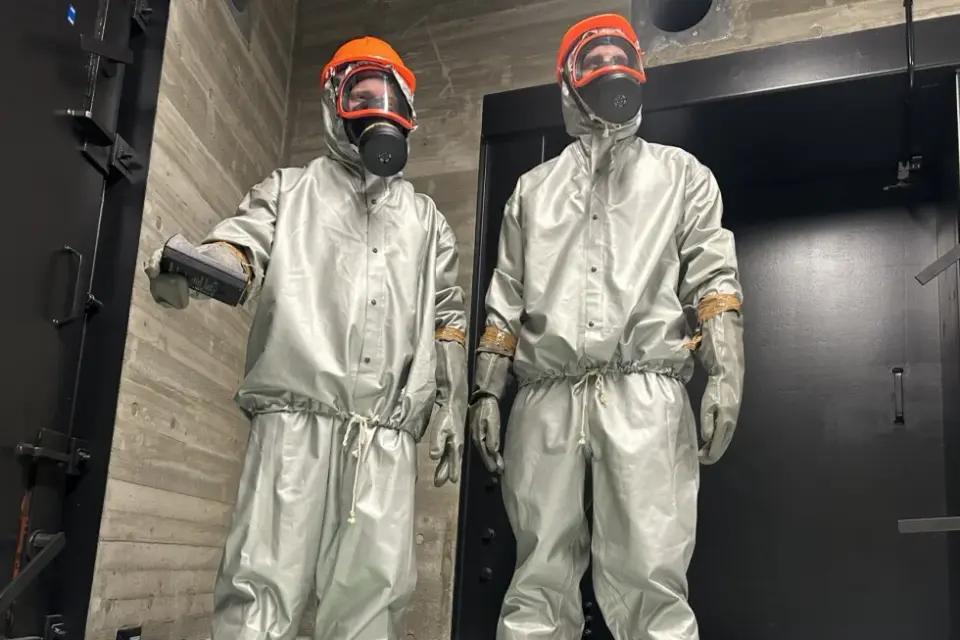
Finland has conducted 'Shelter 2026,' its largest civil defense exercise since the Cold War, in Kuopio. The drill tested the capacity to protect large populations during various disruptions, including power outages and infrastructure attacks. Participants, including schoolchildren and conscripts, practiced self-sufficiency for 72 hours. The exercise highlights growing concerns over cyberattacks, drone sightings, and potential sabotage of energy infrastructure following Russia's invasion of Ukraine.
Key points
- The 'Shelter 2026' exercise in Kuopio is the largest civil defense drill in Europe since the Cold War, focusing on protecting large numbers of people during emergency conditions.
- Participants, including schoolchildren and university students, practiced self-sufficiency for at least 72 hours, emphasizing the need for individuals to care for themselves if power or water supplies fail.
- Energy infrastructure in the Kuopio region faces threats from heavy snowfall, storms, and a significant increase in cyberattacks since Finland stopped buying Russian biofuel.
- Engineers discovered at least 10 suspicious stickers on vulnerable parts of the energy network, which could potentially destroy a dam if an explosion occurred, though the origin of these stickers remains unknown.
- The Finnish Security and Intelligence Service investigated various observations, including drone sightings and GPS jamming, but found no evidence of a coordinated threat, attributing many incidents to everyday occurrences.
- Veterans shared historical accounts of displacement and bombing during wars with the Soviet Union, underscoring the deep-seated sense of responsibility and preparedness among Finns.
Background
Finland has been strengthening its defense and civil preparedness capabilities in response to the changing security landscape in Europe, particularly following Russia's invasion of Ukraine in 2022. Recent developments include agreements with Ukraine to manufacture drones in Finland for both Ukrainian and European markets, reflecting a broader trend of relocating defense production to allied nations. Additionally, Europe has been dealing with widespread wildfires and other environmental challenges, which have prompted the activation of the EU Civil Protection Mechanism. These events highlight the increasing focus on resilience and preparedness across the continent.
Why it matters
The 'Shelter 2026' exercise underscores the critical importance of civil defense and preparedness in the face of evolving security threats. As cyberattacks and potential sabotage of energy infrastructure become more prevalent, the ability of individuals and communities to sustain themselves during emergencies is paramount. This drill not only tests the resilience of Finland's infrastructure but also reinforces the national sentiment that preparedness and self-reliance are essential for security. The exercise serves as a model for other European nations facing similar challenges, emphasizing the need for robust civil defense strategies in an increasingly uncertain geopolitical environment.
What to watch
Finland is expected to continue enhancing its civil defense and energy security measures in response to ongoing threats. The government may implement further policies to mitigate cyberattacks and protect critical infrastructure. Additionally, there could be increased collaboration with NATO and other European allies to share best practices and resources for civil defense. The success of 'Shelter 2026' may lead to similar exercises in other regions, aiming to improve public awareness and preparedness for potential disruptions.
- Finland runs Europe’s biggest civil defense exercise since the end of World War II AP News
- Finland Civil Defense Bluefield Daily Telegraph
- Finland runs Europe's biggest civil defense exercise since the end of World War II Oskaloosa Herald
- Finland holds Europe’s biggest civil defence drills since Second World War Yahoo
- Finland's Civil Defense Drill Is Europe's Biggest in Decades Newser
Want the full story? Read the original reporting
Read on AP News