
Trump-linked startup in talks with IDF to supply 1,000 humanoid robots for Gaza tunnel operations
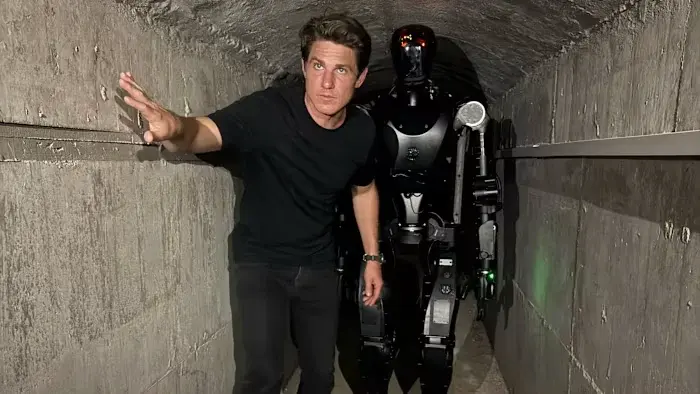
An American robotics startup is in preliminary discussions with the Israel Defense Forces (IDF) to supply up to 1,000 humanoid robots for operations in Gaza. The robots, designed to detect explosives and neutralize booby traps, aim to reduce casualties among Israeli soldiers in underground tunnel networks. The company, Foundation Future Industries, has strategic ties to U.S. President Donald Trump’s son, Eric Trump, and has received significant U.S. military funding. Critics and supporters debate the ethical implications of using autonomous systems in combat zones, with some emphasizing the potential to save lives and others raising concerns about accountability and the political context of the technology.
Key points
- Foundation Future Industries is in preliminary talks with the IDF to supply up to 1,000 Phantom MK1 humanoid robots for use in Gaza’s underground tunnel networks.
- The robots are designed to detect tripwires, identify explosives, and neutralize booby traps, aiming to reduce the risk to human soldiers in dangerous environments.
- The company’s co-founder, former Marine Mike Leblanc, stated that preliminary meetings with Israeli military officials occurred in September, including inspections of tunnels with the robots.
- Foundation Future Industries has received over $70 million from the U.S. military, with Eric Trump listed as a strategic advisor and investor, drawing criticism from Senator Elizabeth Warren over potential conflicts of interest.
- Proponents argue the technology could save lives by replacing soldiers in high-risk tasks, while critics emphasize the need for human oversight and accountability in autonomous military systems.
Background
Israel has long faced security challenges from Hamas’s underground tunnel networks in Gaza, which are used for military operations and concealment. The IDF has historically relied on human soldiers for tunnel operations, leading to significant casualties. The development of humanoid robots for these tasks represents a shift toward autonomous military technology, a trend also seen in other countries. The debate around this technology intersects with broader discussions on the ethics of autonomous weapons and the role of private companies in defense contracts.
How outlets are covering it
The Times of Israel’s blog by Sabine Sterk strongly supports the use of humanoid robots, arguing that they could prevent Israeli soldier deaths and that the technology should be welcomed as a humanitarian measure. The blog criticizes international scrutiny of Israel’s military innovations, suggesting that similar technologies used by other nations are not subject to the same level of criticism. UA.NEWS, citing the Financial Times, highlights the political dimensions of the deal, noting Eric Trump’s involvement and the U.S. military funding, which has drawn criticism from Senator Elizabeth Warren as potential corruption. The Financial Times itself, behind a paywall, likely provides a more neutral analysis of the contract and its implications, while The Telegraph’s access issue prevents further insight. The perspectives range from strong advocacy for the technology’s life-saving potential to concerns about ethical and political implications.
Why it matters
The potential deployment of humanoid robots in Gaza’s tunnels marks a significant shift in military strategy, aiming to reduce casualties in high-risk environments. The involvement of a U.S. president’s son and the substantial U.S. military funding raise questions about the intersection of politics, defense contracts, and ethical considerations in autonomous warfare. This development could set a precedent for the use of autonomous systems in conflict zones, influencing future military operations and international norms on the use of technology in warfare.
What to watch
The outcome of the preliminary discussions between Foundation Future Industries and the IDF will determine whether the robots are deployed in Gaza. Further developments may include the integration of autonomous systems in other military operations, increased scrutiny of U.S. defense contracts involving political figures, and ongoing debates about the ethical and legal boundaries of autonomous weapons in conflict zones.
- Humanoid robot start-up backed by Eric Trump in talks with Israel’s military Financial Times
- Eric Trump-backed firm in talks to send humanoid robots into Hamas tunnels The Telegraph
- Would You Rather Send an Israeli Soldier or a Robot Into a Terror Tunnel? The Times of Israel
- Trump's son wants to supply combat robots to the Israeli army — FT UA.NEWS
- Startup of Trump's son in talks with Israel over supply of 1,000 robots for Hamas tunnels 1News.az
Want the full story? Read the original reporting
Read on Financial Times