
Ukraine's Drone War Exposes Western Manufacturing Flaws and Chinese Supply Chain Risks
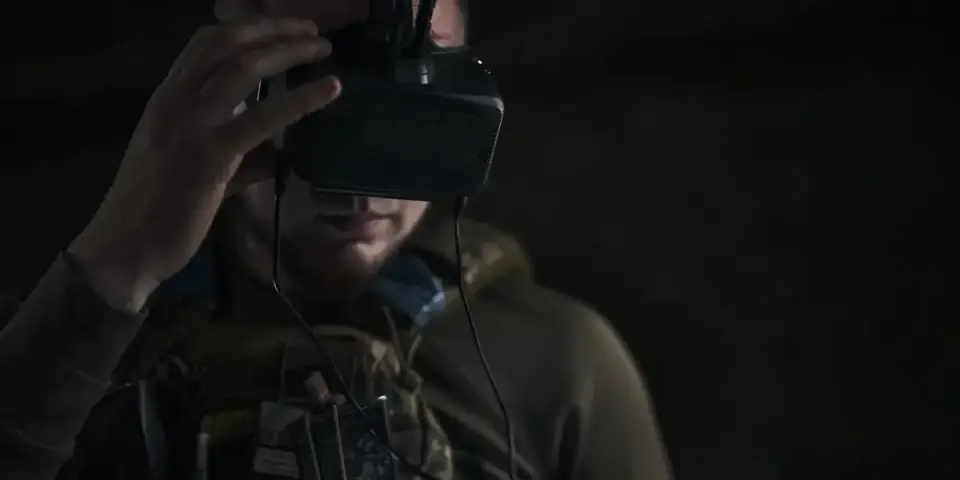
Ukrainian drone operators criticize Western manufacturers for producing overly complex, expensive systems that lack the modularity and scale required for high-attrition warfare. While Ukraine prioritizes simple, mass-produced drones that soldiers can easily modify, a recent investigation reveals that Chinese firms are supplying Russia with critical communication modems, enabling Russian drones to operate deeper into Ukrainian territory. These developments highlight a global shift toward cheap, high-volume unmanned systems, with China analyzing the conflict to modernize its own military doctrine despite internal command structure challenges.
Key points
- Ukrainian analysts argue that Western drone technology is often too complex and expensive, lacking the simple, modular design needed for rapid battlefield adaptation and mass production.
- Ukraine's military relies on domestically produced, basic first-person-view drones that can be easily upgraded by soldiers, contrasting with Western systems that include superfluous features.
- An investigation found that a Chinese firm, Shenzhen Xingkai Technology, offered to sell Russia $2.87 million worth of mesh modems, which allow Russian drones to relay signals and operate beyond direct line-of-sight.
- China is using the Russia-Ukraine war as a testing ground for military modernization, accelerating the adoption of counter-drone technologies and fiber-optic drones, though its centralized command structure hinders tactical flexibility.
- Western officials acknowledge the need for cheaper, high-volume weaponry, but current peacetime regulations and manufacturing processes often prevent the rapid scaling required for modern attrition warfare.
Background
This story follows earlier reports of Ukraine intensifying long-range drone strikes on Russian oil infrastructure, highlighting the critical role of drones in the ongoing conflict. The current focus on drone manufacturing and supply chains builds on previous concerns about the sustainability of high-tech weaponry in a war of attrition.
How outlets are covering it
Business Insider emphasizes the disconnect between Western defense manufacturing and Ukrainian battlefield needs, citing a former drone operator who argues that Western systems are 'too complicated' and 'detached from the battlefield.' In contrast, Kyiv Post highlights the security risks posed by Chinese supply chains, detailing how Shenzhen Xingkai Technology is providing Russia with mesh modems that extend drone range and control. Asia Times offers a broader strategic perspective, noting that China is rapidly absorbing lessons from the Ukraine war to modernize its military, but faces internal challenges in adopting decentralized command structures. While Business Insider focuses on the need for simplicity and scale, Kyiv Post underscores the dangers of foreign dependency, and Asia Times analyzes the long-term implications for global military doctrine.
Why it matters
The shift toward simple, mass-produced drones is reshaping modern warfare, forcing Western defense industries to rethink their manufacturing and design priorities. The reliance on Chinese components for Russian drones poses significant security risks for Ukraine and its allies, potentially undermining efforts to degrade Russian capabilities. Furthermore, China's rapid adoption of lessons from the Ukraine war could alter the balance of power in the Indo-Pacific, as it seeks to integrate advanced drone technologies into its military while grappling with internal command structure limitations.
What to watch
Western defense manufacturers may need to adapt their production processes to meet the demand for cheaper, high-volume drones, potentially by relaxing peacetime regulations and focusing on modular designs. Ukraine may continue to rely on domestic production while seeking to reduce dependence on foreign components, particularly from China. China is expected to continue modernizing its military based on lessons from the Ukraine war, though its ability to implement decentralized command structures remains uncertain. The ongoing conflict will likely drive further innovation in drone technology and supply chain strategies, with significant implications for global defense industries.
- Ukraine's Pilots Want Masses of Basic Drones, but the West Often Overcomplicates Business Insider
- The not-so-secret vulnerability in Ukraine’s drone arsenal? Chinese technology AP News
- Chinese Company Xingkai Technology Exposed for Supplying Mesh Modems for Russian Geran and Gerbera Drones Мілітарний
- Chinese Firm Offers Russia $2.9 Million in Drone Tech to Help Strikes Deep Inside Ukraine – Investigation Kyiv Post
- China fast on Ukraine lessons, slow on command reform Asia Times
Want the full story? Read the original reporting
Read on Business Insider