
Air Force fast-tracks $10M drone to replace depleted MQ-9 fleet
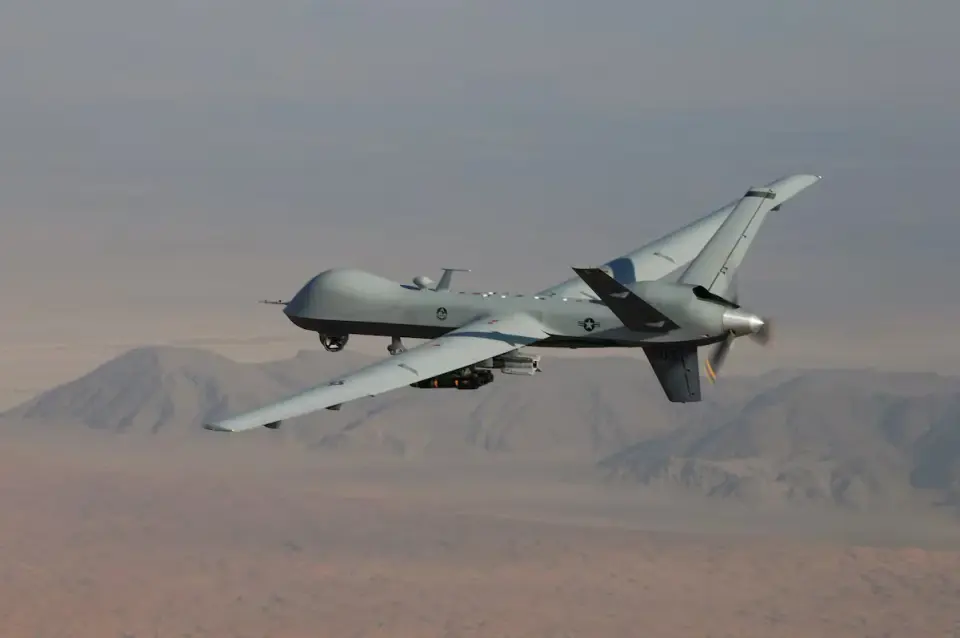
The US Air Force is accelerating the development of the Massed Modular Aircraft (MMA) to replace MQ-9 Reapers lost in Iran. Targeting a $10 million unit cost, the program aims to field 180 drones by 2029, using proven technology to ensure rapid production and high attrition tolerance.
Key points
- Air Force officials accelerated the MMA timeline after losing roughly 25% of the MQ-9 fleet in operations against Iran.
- The new drone targets a $10 million airframe cost, half the price of Collaborative Combat Aircraft, to allow for high attrition.
- General Atomics is competing with its 'Wildfire' design, while the Air Force seeks multiple vendors to ensure rapid production scaling.
- Initial MMA versions will use proven turboprop technology and higher automation, allowing one operator to control multiple drones.
Background
The MQ-9 Reaper has been a critical asset for intelligence and strike missions, but its high cost and limited production capacity have become liabilities. Previous attempts to replace the drone focused on stealth and advanced capabilities, but recent losses have shifted the strategy toward cheaper, mass-producible platforms. The Air Force previously struggled with backfilling the fleet after General Atomics ceased MQ-9A production in 2025.
How outlets are covering it
While all sources agree on the accelerated timeline and cost targets, they differ on the immediate viability of alternatives. Breaking Defense and Air & Space Forces Magazine emphasize the Air Force’s decision to reject the more expensive MQ-9B SkyGuardian due to budget constraints. The War Zone highlights General Atomics’ criticism that the MMA program misrepresents the need for immediate backfill, arguing that their 'Wildfire' design can be delivered years earlier than the MMA schedule. General Atomics also disputes the notion that the MQ-9’s value lies solely in its airframe, emphasizing the importance of its integrated sensor and weapons packages.
Why it matters
The shift to cheaper, modular drones reflects a broader change in US military strategy, prioritizing quantity and attrition tolerance over high-cost, low-observable platforms. This approach aims to overwhelm enemy defenses and sustain operations in high-intensity conflicts, where losing dozens of drones per day is a realistic scenario.
What to watch
The Air Force expects to award concept refinement contracts in the first quarter of fiscal 2027. Operational prototypes are targeted for 2028, with full fielding within three years. The Air Force will likely field at least 180 MMA drones, with the potential for more depending on production scaling and operational needs.
- US Air Force speeds Reaper successor timeline after Iran losses Military Times
- After ‘concerning’ losses, Air Force pushes to replace Reaper faster breakingdefense.com
- USAF Wants MQ-9 Reaper Successor At A Fraction Of The Cost At $10M Each TWZ
- Air Force Speeding Up New Low-Cost Drone Program after Heavy MQ-9 Losses Against Iran Air & Space Forces Magazine
- U.S. Lost 25% of All MQ-9A Reapers Since iran War Started, Now Seeks 5x Cheaper Replacement With 14,800km Range After Production Line Shut Down Last Year Defense Express
Want the full story? Read the original reporting
Read on Military Times