
First-Ever EA-37B Deployment Signals Heightened U.S. Electronic Warfare Focus on Kaliningrad
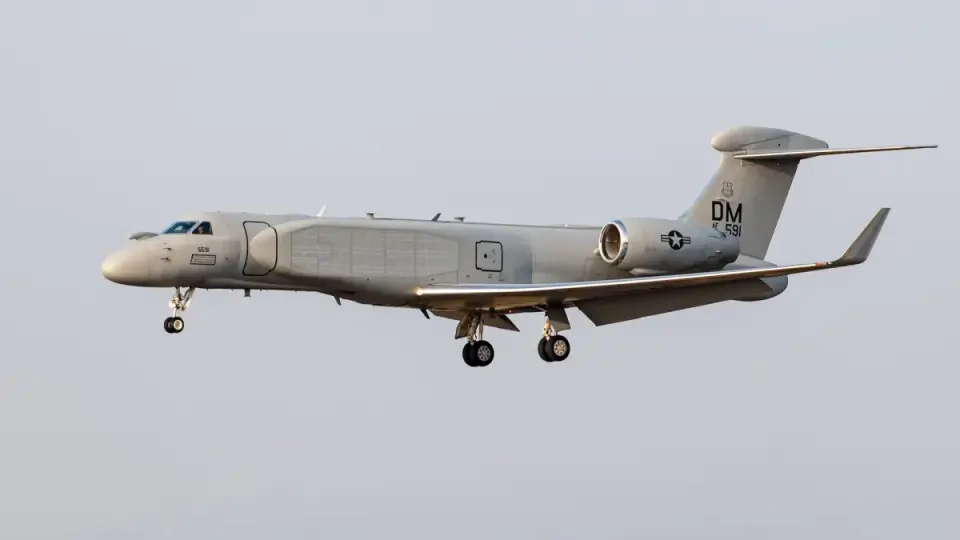
A U.S. EA-37B Compass Call electronic warfare aircraft conducted its first known flight near Russia’s Kaliningrad enclave on August 18, 2026, as part of a broader NATO reconnaissance and EW package. While NATO described the activity as routine defensive training, the deployment coincided with increased Russian naval movements and intelligence warnings of potential provocations against alliance members.
Key points
- The EA-37B Compass Call, a new electronic warfare jet replacing the aging EC-130H, flew orbits near Kaliningrad for nearly two hours on August 18, 2026.
- The mission involved a coordinated package including a NATO E-3 AWACS, a U.S. ARTEMIS II surveillance plane, and Polish ground forces, all under U.S. control.
- NATO spokesperson Col. Marty O’Donnell characterized the activity as routine defensive capability enhancement, not a reaction to specific Russian events.
- The deployment occurred amid reports of Russian frigate escorts for LNG carriers in the Baltic Sea and intelligence assessments of potential Russian probes against NATO members.
- The EA-37B is designed to jam enemy radar and communications networks, a critical capability against Kaliningrad’s concentrated missile and air defense systems.
Background
This event follows recent tensions on NATO’s eastern flank, including a drone incident in Romania in August 2026 and earlier warnings from Lithuanian President Gitanas Nausėda regarding potential Russian attacks on critical infrastructure. The region has seen increased Russian naval activity, including frigate escorts for energy shipments, and NATO has conducted exercises like Amber Shock 26 in the Suwalki Gap. The EA-37B is part of a planned fleet of 10 aircraft to replace the four remaining EC-130H Compass Call planes, with its first combat mission occurring during Operation Epic Fury in 2025.
How outlets are covering it
NATO and U.S. officials framed the August 18 activity as routine defensive training and interoperability exercises, with Col. O’Donnell emphasizing that Allies are constantly honing defensive abilities. However, a Polish military official suggested the deployment was intended to deter Russian provocations, contradicting the official NATO narrative. Military Watch Magazine and UNITED24 Media highlighted the significance of the EA-37B’s presence, noting that its inclusion in the package indicates a specific operational requirement for electronic warfare or intelligence gathering, rather than just routine surveillance. Anadolu Ajansı reported the exercise as a planned NATO drill involving 25 to 50 aircraft, focusing on joint air-operation scenarios. The Wall Street Journal and The Hill provided background on U.S. intelligence warnings of potential Russian limited assaults or cyberattacks against NATO members, which contextualize the heightened alert posture.
Why it matters
The deployment of the EA-37B Compass Call near Kaliningrad marks a significant shift in U.S. electronic warfare capabilities, replacing older turboprop platforms with a faster, more efficient Gulfstream G550-based system. This move signals a strategic emphasis on disrupting Russian integrated air defense and communications networks, which are critical to the enclave’s military threat. The timing, amid increased Russian naval activity and intelligence warnings of potential provocations, underscores the growing tension along NATO’s eastern flank and the alliance’s proactive posture in deterring Russian aggression.
What to watch
It is unclear how long the current U.S. and NATO aerial activities around Kaliningrad will continue. The U.S. Air Force is planning to procure 10 EA-37B aircraft to replace the aging EC-130H fleet, with the 43rd Electronic Combat Squadron having flown its first training sortie in May 2025. Future deployments may depend on the evolving security situation in the Baltic region and any further Russian provocations or NATO exercises in the area.
- EA-37B Flew Along Kaliningrad Border As Part Of “Specialized” Recon, EW Flight Package TWZ
- America’s Newest Electronic Warfare Aircraft Deployed Against Russian Forces in Kaliningrad Military Watch Magazine
- NATO holds air exercise near Russia's Kaliningrad region Anadolu Ajansı
- NATO High-Tech Aircraft Surge Near Kaliningrad and the Black Sea UNITED24 Media
- NATO Surveillance Aircraft Conduct Simultaneous Missions Near Belarus and Russia Мілітарний
Want the full story? Read the original reporting
Read on TWZ