
Royal Navy Drone Cameras Found Sending Signals to China
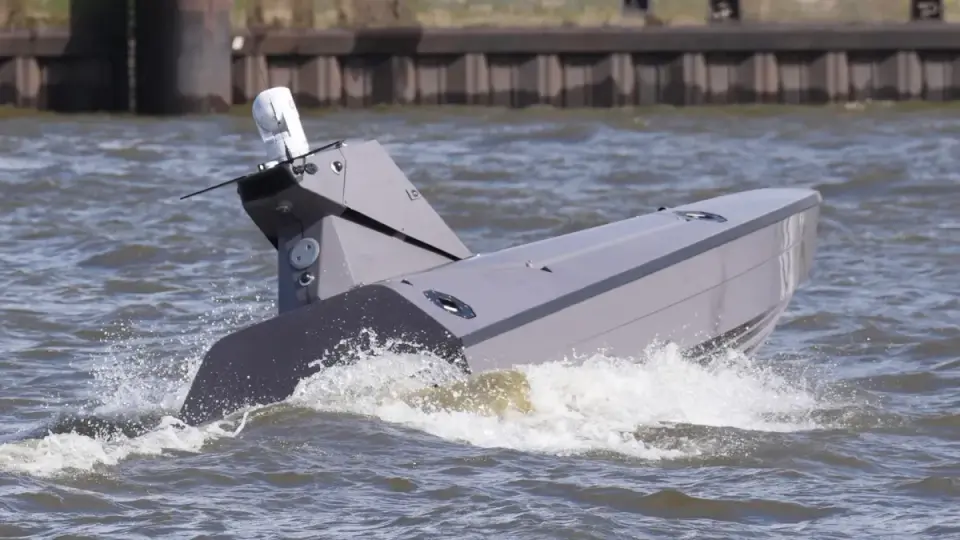
A routine security check revealed that cameras on Royal Navy K3 Scout unmanned surface vessels contained Chinese-made components that transmitted data to a Chinese IP address. The Ministry of Defence confirmed the issue but stated no sensitive military data was compromised, prompting a removal of internet connectivity from the affected units.
Key points
- The Ministry of Defence identified a cyber vulnerability in Kraken K3 Scout unmanned surface vessels (USVs) during a routine assessment.
- Cameras on the USVs were found to transmit 'heartbeat' signals to an IP address in China, though no evidence of data breach was found.
- The affected vessels, acquired for approximately £12 million, are operated by the Coastal Forces Squadron and 47 Commando.
- The incident occurred as the UK government prepared to deploy these drones to the Persian Gulf to secure the Strait of Hormuz.
- The Ministry of Defence removed internet connectivity from the cameras and confirmed that third-party suppliers had provided security assurances.
Background
This incident follows the UK's recent Defense Investment Plan, which allocates over £5 billion to autonomous systems over four years. The Royal Navy's Project Beehive initiative aims to integrate 20 K3 Scout USVs into its fleet, marking a shift toward hybrid naval operations. Previous concerns regarding Chinese espionage, including the 2020 ban on Huawei in the UK 5G network, have heightened scrutiny of supply chain vulnerabilities in military equipment.
How outlets are covering it
The Ministry of Defence and Kraken Technology Group emphasized that the issue was identified through routine testing and that no sensitive data was compromised, describing the response as a proactive security measure. In contrast, The Telegraph reported that the breach represented a 'major failure' to verify component origins, with sources expressing lost confidence in the platform. The opposition Conservative Party, via shadow security minister Alicia Kearns, criticized the incident as a predictable consequence of reliance on Chinese components, arguing that Chinese law mandates corporate cooperation with state intelligence services. While the MoD characterized the transmission as a non-proprietary 'heartbeat' signal, critics argued that any data flow to China posed significant espionage risks, particularly given the planned deployment of these assets in sensitive regions like the Strait of Hormuz.
Why it matters
The discovery of Chinese components in UK military drones highlights critical supply chain vulnerabilities in the defense sector. As nations increasingly rely on autonomous systems for strategic operations, the integrity of hardware and software becomes paramount. This incident may accelerate efforts to audit and restrict foreign components in military equipment, influencing future procurement policies and international defense cooperation.
What to watch
The Ministry of Defence is expected to continue routine security assessments across its systems. The opposition has called for a comprehensive audit of Ministry of Defence equipment for Chinese components. The UK government may face increased pressure to enforce stricter supply chain controls, potentially affecting future defense contracts and international partnerships. The status of the planned Persian Gulf deployment remains uncertain pending further security reviews.
- Chinese Components In Royal Navy’s New Drone Boat Raise Cyber Security Concerns TWZ
- Chinese spy camera company has HQ three miles from Navy base The Telegraph
- No evidence of data breach as Chinese-made component found in drones - MoD BBC
- Navy drone boats ‘were sending data to China’ The Times
- U.K. Discovers Component in Its Naval Drones Sent Signals to China WSJ
Want the full story? Read the original reporting
Read on TWZ