
Big Mac Index 2026: US Workers Outpace Europe in Purchasing Power
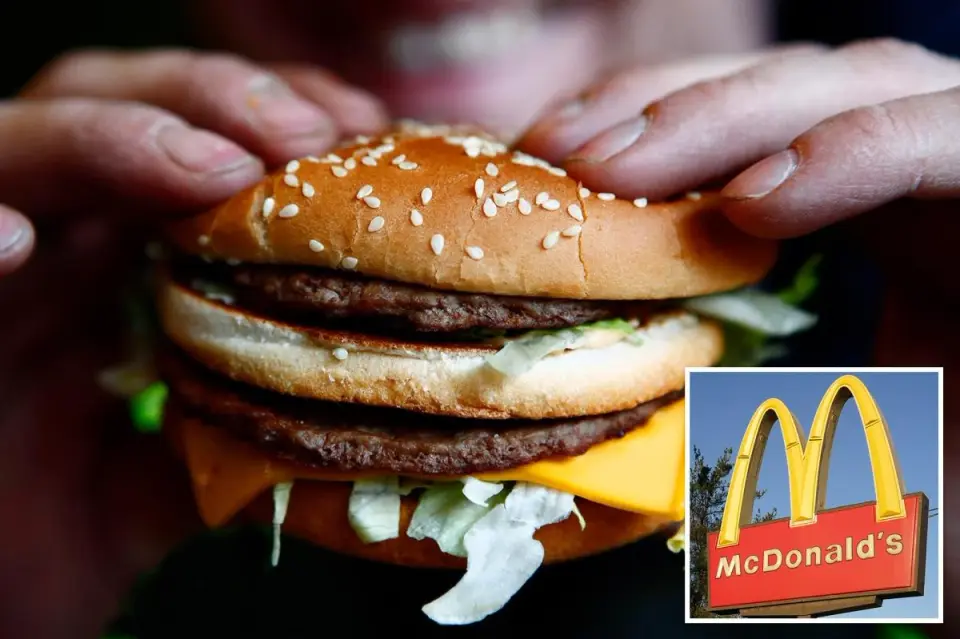
The Economist's Big Mac Index shows US workers can afford 10,215 Big Macs annually, nearly double the amount for French and German workers. While Americans lead in total annual purchasing power, Swiss workers have the highest hourly rate, earning seven burgers per hour. German workers have seen a decline in relative wealth over the past two years due to wage stagnation and rising prices.
Key points
- US workers can afford 10,215 Big Macs per year after taxes, leading the global rankings.
- French and German workers can afford roughly 5,000 and 4,000 Big Macs annually, respectively.
- Switzerland ranks first in hourly purchasing power, with workers earning seven Big Macs per hour.
- A Big Mac costs $6.22 in the US, $7.30 in France/Germany, and $3.12 in Japan.
- German workers have become significantly poorer in Big Mac terms over the last two years.
Background
The Big Mac Index, created by the Economist, uses the price of a standard McDonald's burger to compare purchasing power across nations. Previous coverage noted various McDonald's promotional strategies and menu hacks, but this report focuses on macroeconomic wage comparisons. The index provides a standardized metric for global wealth disparities by adjusting for local ingredient and operating costs.
Why it matters
The Big Mac Index offers a tangible, relatable metric for understanding global wage disparities and inflation impacts. It highlights that while US wages are high, European countries like Switzerland and Australia may offer better hourly returns. The decline in German purchasing power signals economic stress in major European economies, affecting consumer confidence and international trade dynamics.
What to watch
Future updates to the Big Mac Index will track how inflation and wage growth continue to shift relative purchasing power across nations. Economists will monitor whether the US maintains its lead in annual affordability and if countries like Latvia continue to see improvements in their Big Mac-based wealth metrics.
Want the full story? Read the original reporting
Read on New York Post