
Russian Bank Run: Depositors Flee as War Costs Threaten Savings
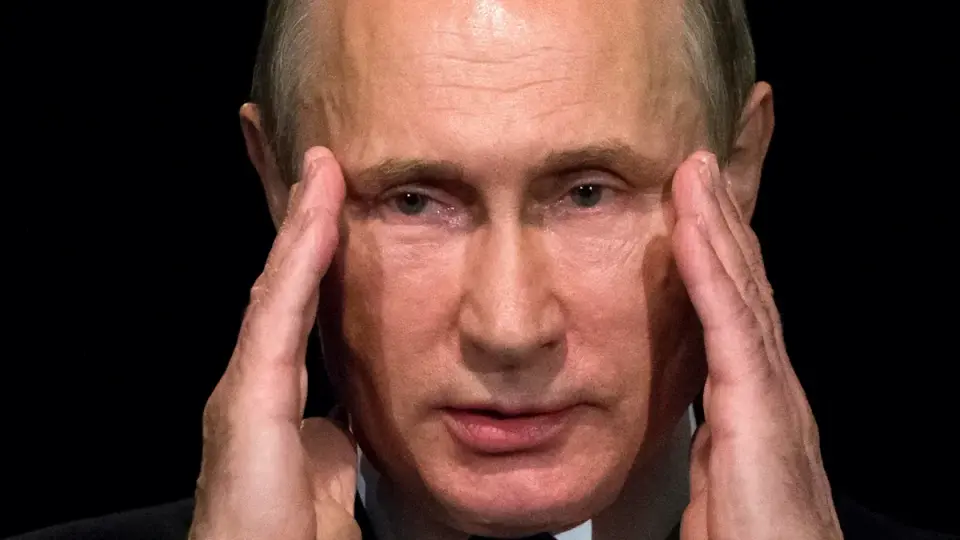
Russian citizens are withdrawing billions from banks due to fears that the Kremlin will seize deposits to fund the war in Ukraine. This capital flight is causing liquidity shortages and undermining the government's ability to finance military spending through bond sales.
Key points
- Russians withdrew approximately $3.4 billion in the first two weeks of August, following $11.8 billion in withdrawals during June and July.
- Total capital outflows from Russia's banking system reached over $9.4 billion in the second quarter of 2026 alone.
- Major banks like Gazprombank and Rosselkhozbank have seen significant deposit declines, with Gazprombank losing 10.8% of its total deposits over four months.
- The Russian Finance Ministry recently canceled planned bond sales due to insufficient cash reserves, highlighting the strain on the state budget.
- Ukrainian drone strikes on Russian infrastructure, including Wildberries warehouses, have intensified public anxiety about economic stability and asset security.
Background
This crisis follows earlier reports in August 2026 of elite capital flight and growing impatience with the war. Previous archive articles noted that top bankers and oligarchs had moved tens of billions abroad, while a Kremlin propagandist publicly called the war a 'giant mistake.' The current bank run represents a broader erosion of trust among ordinary citizens, not just the elite.
How outlets are covering it
The Daily Beast and Yahoo Finance emphasize the 'humiliating' nature of the crisis for Putin, framing it as a direct challenge to his authority and the stability of his regime. The Washington Post focuses on the technical aspects of the liquidity crisis and the government's inability to issue bonds. Euronews provides detailed data on specific banks, noting that T-Bank was an exception with increased deposits, while others like Sberbank saw significant outflows. All sources agree on the scale of the withdrawals but differ in their emphasis: some highlight the political implications for Putin, while others focus on the economic mechanics and the role of Ukrainian drone strikes in driving the panic.
Why it matters
This bank run threatens the financial stability of Russia and the Kremlin's ability to fund its war effort. If the trend continues, it could lead to a broader economic collapse, further weakening Russia's position in the conflict with Ukraine and potentially destabilizing the political regime.
What to watch
The Russian government may be forced to implement capital controls or raise interest rates to stabilize the banking system, as it did in 2022. There is also a risk that the Kremlin could move to freeze or nationalize private deposits to cover war costs, which would further erode public trust. The outcome of the war and the state of the Russian economy will be critical in determining whether this crisis leads to a broader collapse or is contained through state intervention.
- Putin Hit With Humiliating New Crisis as Russians Pull Billions From Banks Yahoo Finance UK
- Russians pull billions from banks, fearing Kremlin will seize deposits for war The Washington Post
- Russians pull billions from banks fearing Kremlin will seize savings for war Euronews.com
- Russians withdraw billions from banks amid fears Putin could seize deposits The Telegraph
- Panicked Russians mount run on banks as Ukraine ramps up drone attacks afr.com
Want the full story? Read the original reporting
Read on Yahoo Finance UK