
Guyana’s Oil Boom: Record Revenues Mask Deepening Economic Imbalances
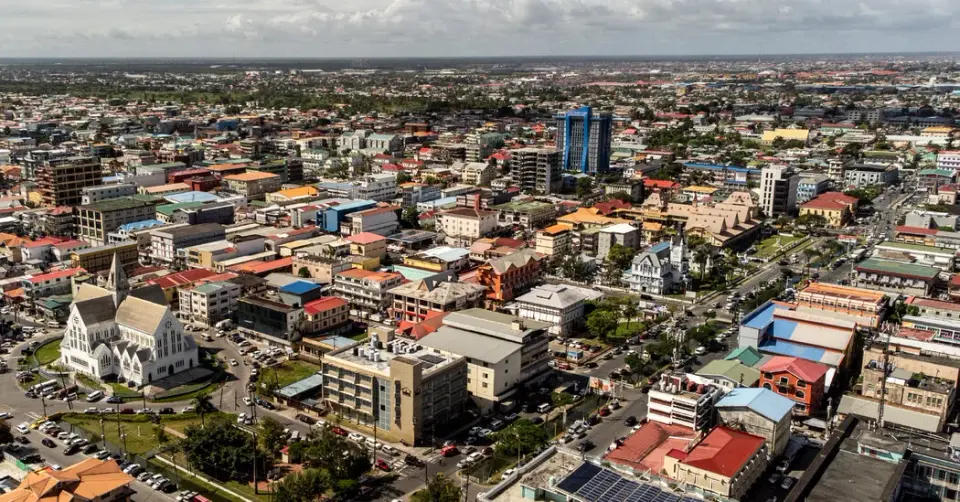
Guyana is experiencing a massive economic windfall from the Middle East conflict, with petroleum revenues projected to hit $6.5 billion in 2026. While the country’s GDP surged 33.3% in the first half of the year, this growth is heavily concentrated in the oil sector, which now accounts for nearly 79% of real GDP. This boom has brought luxury spending to Georgetown but has also exposed severe vulnerabilities in non-oil sectors, particularly agriculture, which contracted due to weather and policy gaps. Critics warn that the economy is becoming dangerously concentrated, with crude oil representing over 92% of merchandise exports, raising concerns about long-term sustainability and inequality.
Key points
- Petroleum revenues are projected to reach $6.5 billion in 2026, a 136.8% increase over initial budget estimates, driven by higher oil prices and increased production.
- Crude oil exports surpassed $15 billion in the first half of 2026, growing 82.1% year-over-year, with production rising from 639,000 to 902,000 barrels per day.
- Real GDP expanded by 33.3% in the first half of 2026, but the non-oil economy grew only 10.1%, with agriculture contracting by 0.5%.
- The Natural Resource Fund held a cumulative balance of $4.29 billion as of June 2026, with the government projected to withdraw $2.37 billion this year.
- Opposition party APNU criticized the government for hiding weak non-oil performance behind strong oil-led growth, calling for better agricultural support and food security measures.
Background
Guyana’s oil boom began in earnest a few years ago, with the Stabroek Block becoming a major production hub. The current surge is amplified by the Middle East conflict, which has restricted global energy flows and boosted international oil prices. This follows a broader trend of windfalls from geopolitical conflicts, as seen in North Korea’s earnings from the Ukraine war and Ukraine’s potential tax revenue from legalized adult industries. The 2026 Mid-Year Report highlights the rapid expansion of the oil sector, but also reveals growing concerns about economic concentration and the neglect of non-oil sectors.
How outlets are covering it
The New York Times emphasizes the luxury boom in Georgetown, noting Ferraris, Lamborghinis, and imported Wagyu beef, while also highlighting tensions over corruption and inequality. Caribbean Today focuses on the financial details, projecting $6.5 billion in petroleum revenues and detailing the increase in production and exports. Demerara Waves Online News, citing the APNU, criticizes the government for hiding weak non-oil performance behind strong oil-led growth, warning of a dangerous concentration of the economy and calling for better agricultural support. The Guyana Chronicle, while not providing specific details, likely reflects the local sentiment of a 'healthy economy' but may also acknowledge the underlying tensions.
Why it matters
Guyana’s oil boom is a stark example of how geopolitical conflicts can create unexpected windfalls for small nations. However, the rapid growth in the oil sector has exposed deep imbalances in the economy, with non-oil sectors struggling and agriculture contracting. This concentration of wealth and economic activity raises concerns about long-term sustainability, inequality, and vulnerability to future oil price shocks. The situation also highlights the need for diversification and better support for non-oil sectors to ensure a more balanced and resilient economy.
What to watch
The government is expected to withdraw $2.37 billion from the Natural Resource Fund in 2026, with the fifth FPSO, Errea Wittu, set to produce first oil in the final quarter of 2026. The APNU is calling for funded, region-specific recovery plans for agriculture, including reliable drainage and irrigation, water storage, and affordable credit. The government will need to address the concerns raised by the opposition and ensure that the benefits of the oil boom are more broadly shared, while also working to diversify the economy and reduce its dependence on oil.
- A Small Country’s Huge Windfall From the War in Iran The New York Times
- Guyana oil exports hit record $15 billion in first half Upstream Online
- ‘This is a healthy economy’ Guyana Chronicle
- Guyana's Petroleum Revenues Projected to Generate More Than Six Billion US Dollars This Year Caribbean Today
- Non-oil sectors at risk from too much reliance on oil – APNU Demerara Waves Online News- Guyana
Want the full story? Read the original reporting
Read on The New York Times