
Healey's Budget Balances Market Discipline with Cost-of-Living Relief
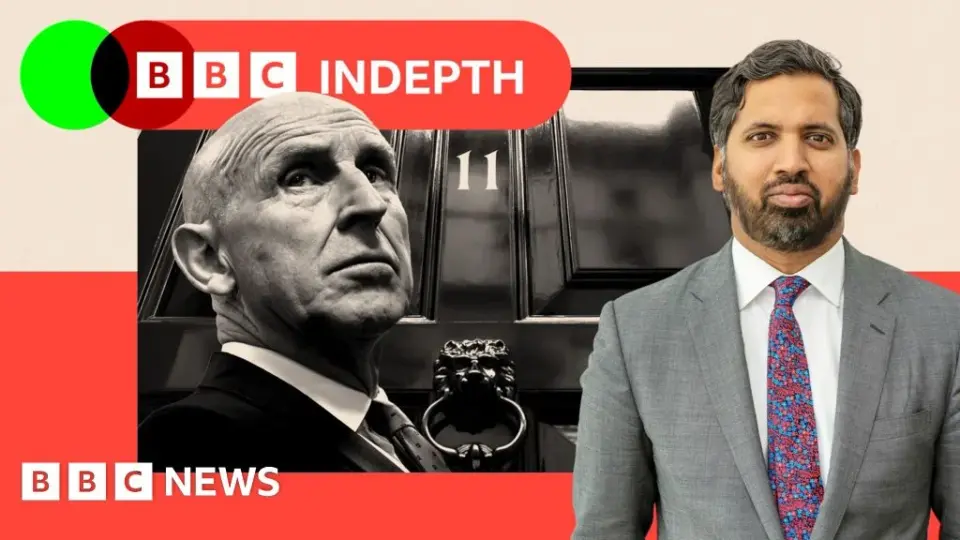
Chancellor John Healey is preparing a Budget focused on fiscal discipline to reassure bond markets, while attempting to provide targeted cost-of-living support. The UK economy has outperformed forecasts, but rising inflation and borrowing costs limit his options. Healey aims to maintain a fiscal buffer of £15-20bn to preserve credibility, potentially deferring major spending decisions until 2027.
Key points
- UK growth has exceeded expectations, with Q3 projected at 0.6-0.8%, defying recession fears.
- Inflation rose to 3.5% in September, higher than forecast, increasing the likelihood of a Bank of England rate hike.
- The 10-year gilt yield peaked above 5.5% in October, its highest level since 2007, before easing slightly to 5.37%.
- Healey is using strict security measures, including compartmentalized access and digital non-disclosure agreements, to prevent Budget leaks.
- The government is relying on 'feel-better' policies like capped bus fares and temporary energy VAT cuts to boost consumer confidence without significant spending increases.
Background
This Budget follows a period of economic resilience for the UK, which has grown faster than other G7 nations in 2026. Previous coverage highlighted concerns about a £35bn fiscal gap due to inflation from the Iran war and households reaching their limit on cost-cutting. Healey, a former junior minister under Gordon Brown, is navigating a constrained fiscal environment with a £120bn annual deficit, contrasting sharply with the surplus seen during his earlier tenure.
How outlets are covering it
BBC emphasizes the tension between sustaining economic growth and managing borrowing costs, noting Healey's preference for market credibility over immediate political appeasement. Financial Times highlights the demand from bond investors for a 'boring' Budget that maintains fiscal rules and avoids new borrowing, with fund managers urging a £15-20bn buffer. The Telegraph source was inaccessible due to a security block, so its perspective cannot be synthesized. BBC notes that Healey is prioritizing market reassurance, while FT reports that investors are relieved by the government's adherence to fiscal tramlines, despite concerns about the lack of growth strategies.
Why it matters
The outcome of this Budget will determine the UK's ability to manage rising borrowing costs and inflation while supporting households. A failure to maintain fiscal credibility could lead to higher mortgage rates and reduced economic growth. The decision to defer major spending decisions to 2027 may provide short-term stability but risks leaving long-term fiscal challenges unresolved.
What to watch
Healey will present the Budget in the House of Commons around 13:00 on Wednesday, followed by the OBR's forecast. The market reaction to the Debt Management Office's gilt remit will be a key indicator of investor confidence. The government may announce targeted tax rises, such as increased bank surcharges, and defer major spending decisions on defense and social care until the 2027 spending review.
- Healey’s Budget needs to sustain the stronger economy through gathering clouds BBC
- Healey Inherited a Better Budgetary Hand Than He Thinks Bloomberg.com
- ‘Do no harm’ — what gilt investors want from Healey in the Budget Financial Times
- Families to pay billions more in tax even before Healey budget The Times
- ‘Boring Budget’ would pave way for early election, City fears The Telegraph
Want the full story? Read the original reporting
Read on BBC