
Healey’s Budget faces £11bn headroom squeeze as bond investors demand fiscal discipline
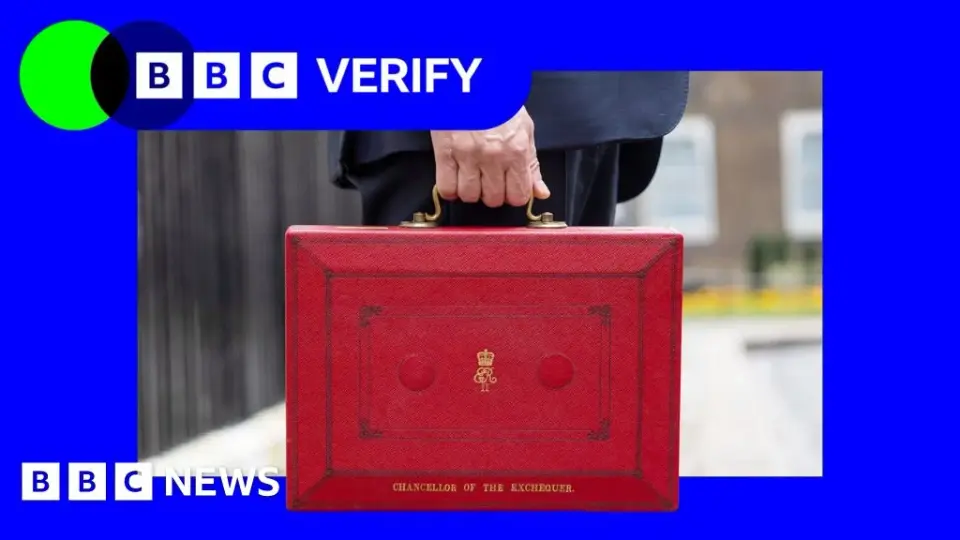
Chancellor John Healey must restore fiscal headroom, estimated at £11bn, without raising income tax, VAT, or National Insurance. Options include taxing banks, increasing gambling machine levies, enforcing online VAT, and cutting welfare. Bond investors urge a 'disciplined' approach to maintain market confidence amid rising borrowing costs.
Key points
- Fiscal headroom has dropped from £24bn to approximately £11bn due to rising interest rates and borrowing costs.
- Healey is barred from raising income tax, VAT, or National Insurance per the 2024 Labour manifesto, limiting traditional revenue options.
- Proposed measures include a bank tax surcharge increase, higher gambling machine taxes, and making online marketplaces liable for VAT collection.
- Welfare spending is projected to rise from £68bn to £81bn by 2031, creating pressure for cuts despite political risks.
- Bond investors prioritize maintaining a £15bn-£20bn buffer and avoiding new borrowing to preserve UK fiscal credibility.
Background
This Budget follows Prime Minister Andy Burnham’s earlier signals regarding a potential social care overhaul for 2029, which may require breaking tax pledges. It also occurs amid global debt sell-offs, with UK 10-year bond yields reaching 5.5% in early October, the highest since 2007. Previous attempts to cut welfare spending by £5bn were reversed after a Labour backbench revolt, highlighting the political sensitivity of such measures.
How outlets are covering it
BBC Verify focuses on specific revenue-raising mechanisms, noting that bank taxes, gambling levies, and online VAT enforcement could collectively raise up to £3.5bn annually, though this may be insufficient to fully restore headroom. The Financial Times emphasizes the market’s reaction, with fund managers urging Healey to avoid 'surprises' and maintain a credible commitment to fiscal rules. While BBC highlights the political constraints on tax hikes, FT notes that investors are more concerned with the overall fiscal framework and borrowing trajectory than individual measures. Both sources agree that rising borrowing costs have significantly reduced the government’s financial flexibility.
Why it matters
The Budget’s outcome will determine the UK’s ability to manage rising borrowing costs and fund essential services without destabilizing financial markets. Failure to restore adequate fiscal headroom could lead to higher interest rates, increased inflation, and reduced investor confidence in UK gilts. Additionally, the choice between tax hikes and welfare cuts will impact household incomes and social stability, particularly for vulnerable groups reliant on state support.
What to watch
Healey is expected to announce measures in the upcoming Budget, likely including targeted tax increases and delayed major spending decisions until the 2027 spending review. The government may also introduce targeted support for households facing higher energy costs, provided it is fully funded. Investors will closely monitor whether the Budget maintains a sufficient fiscal buffer and avoids new borrowing, which could trigger further yield increases.
- Four ways Labour could raise money in the Budget without hiking income tax BBC
- Healey’s Budget needs to sustain the stronger economy through gathering clouds BBC
- A Stock Investor’s Guide to UK Budget Winners and Losers Bloomberg.com
- Meet John Healey, Britain’s bald fraud The Economist
- ‘Do no harm’ — what gilt investors want from Healey in the Budget Financial Times
Want the full story? Read the original reporting
Read on BBC