
Hormuz Closure Could Push Global Economy Toward Recession, Analysts Warn
TL;DR
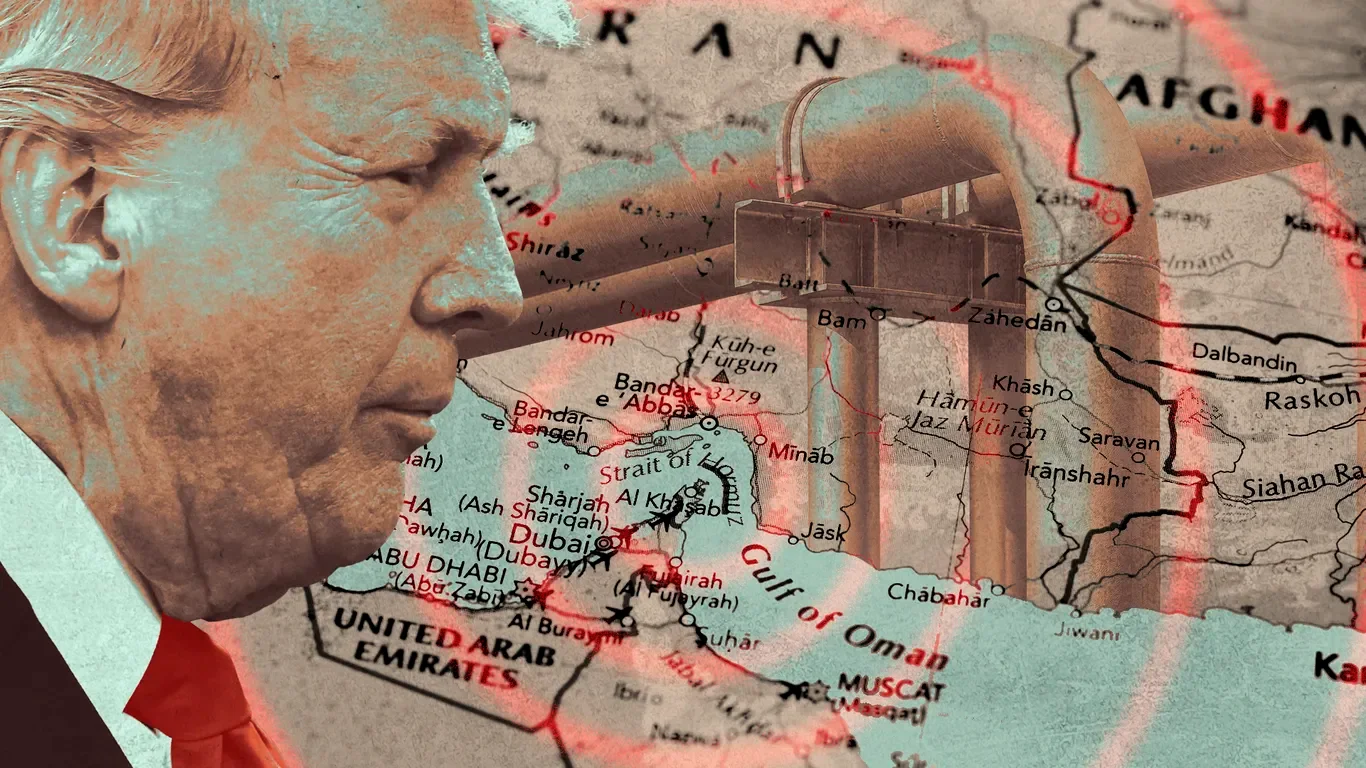
With the Strait of Hormuz potentially shut and Iran signaling attacks on passing ships, oil and commodity supplies face disruption, sending prices higher and risking a stagflationary drag that could slow or derail growth in major economies—especially Europe and East Asia. Goldman Sachs models project higher U.S. inflation and weaker GDP if prices stay elevated, while extreme Oxford Economics scenarios imply contractions in the eurozone, UK, and Japan and a global GDP hit around 0.7% with inflation near 5%.
- What it will mean for the economy if the Strait of Hormuz stays closed Axios
- How the Strait of Hormuz closure affects global oil supply Reuters
- Iran war has blocked the Strait of Hormuz, a vital oil choke point. Reopening it is a big challenge AP News
- Iran’s Naval Mines: A History of Threats to Persian Gulf Shipping The New York Times
- As the Strait of Hormuz stays shut, ships weigh a deadly choice MS NOW
Want the full story? Read the original reporting
Read on Axios