Tag

Recession Risk

All articles tagged with #recession risk

Hormuz Closure Could Push Global Economy Toward Recession, Analysts Warn
economy1 month ago

Hormuz Closure Could Push Global Economy Toward Recession, Analysts Warn

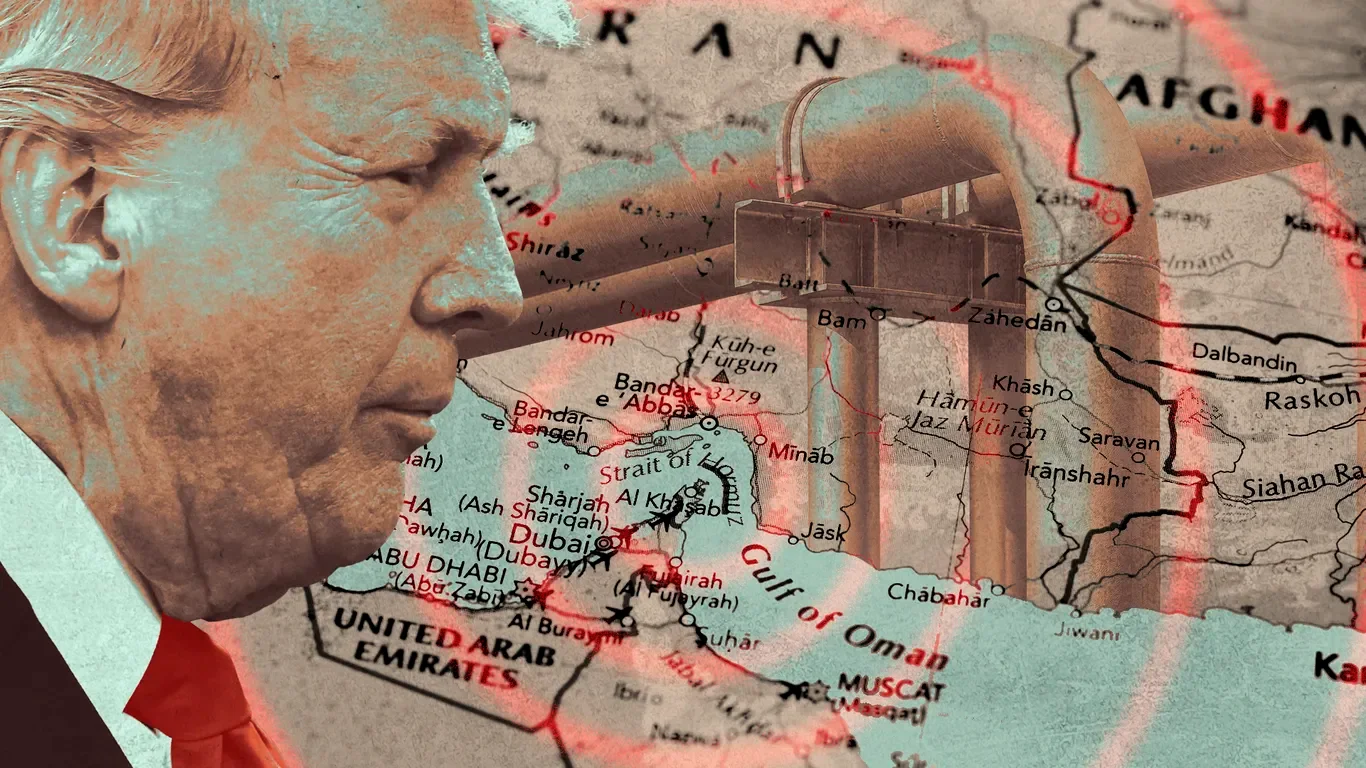
With the Strait of Hormuz potentially shut and Iran signaling attacks on passing ships, oil and commodity supplies face disruption, sending prices higher and risking a stagflationary drag that could slow or derail growth in major economies—especially Europe and East Asia. Goldman Sachs models project higher U.S. inflation and weaker GDP if prices stay elevated, while extreme Oxford Economics scenarios imply contractions in the eurozone, UK, and Japan and a global GDP hit around 0.7% with inflation near 5%.

Iran conflict sparks global oil shock and inflation fears
world1 month ago

Iran conflict sparks global oil shock and inflation fears

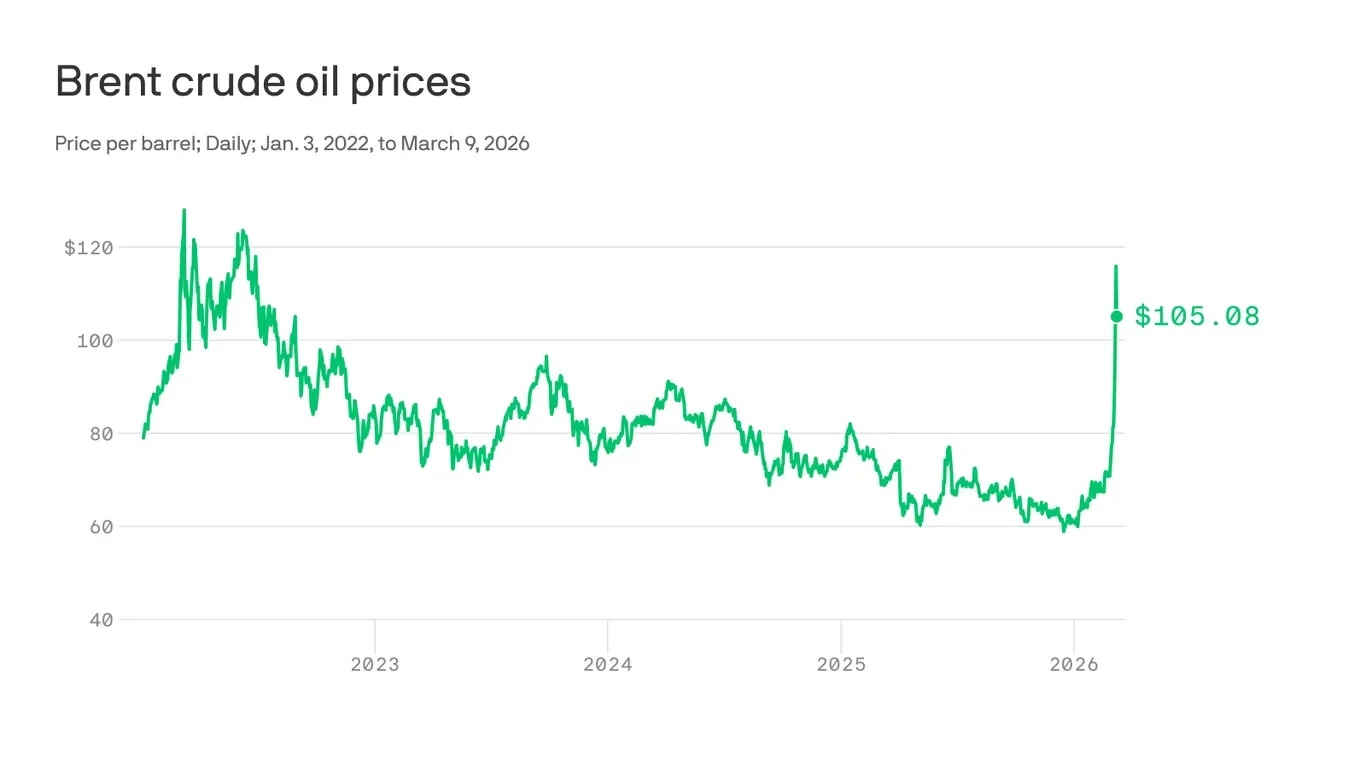
Analysts warn that while initial market reactions to U.S.-Israeli actions against Iran appeared muted, oil prices have surged toward $120 a barrel, threatening higher inflation and weaker consumer spending as the Strait of Hormuz risks disruption of roughly 20% of global oil supply. Global stocks slid and recession risk metrics edged up, with the U.S. economy—though resilient and a net oil exporter—facing higher daily costs for Americans if energy prices stay elevated, complicating policy and politics.

Missing Economic Stats Threaten Policy, Jobs, and Growth
economy2 months ago

Missing Economic Stats Threaten Policy, Jobs, and Growth

A Business Insider Discourse piece argues that a steady erosion of government-held economic data—driven by budget constraints, survey slowdowns, and a lengthy shutdown—could leave the Fed, businesses, and households making decisions with less reliable signals. Private data sources can’t fully substitute for core statistics like unemployment and inflation, risking delayed or miscalibrated policy, fewer hiring plans, and higher recession risk as trust in data declines.

US Consumer Confidence Dives to 2014 Low in January
economy2 months ago

US Consumer Confidence Dives to 2014 Low in January

The Conference Board reported January’s U.S. consumer confidence fell 9.7 points to 84.5, the lowest since 2014, with the Present Situation Index at 113.7 and the Expectations Index at 65.1. The drop suggests a bleaker short-term outlook as concerns about inflation, the labor market, and future income rose, and overall plans for big-ticket purchases weakened, though spending on travel-related services showed some uptick.

US Economy Outlook 2026: Resilience, Risks, and Market Highlights
business3 months ago

US Economy Outlook 2026: Resilience, Risks, and Market Highlights

The risk of a US recession in 2026 has decreased, largely due to the AI boom and resilient economic indicators, though uncertainties remain across the labor market, inflation, consumer spending, and AI dependency. Experts suggest a high likelihood of avoiding a downturn this year, but warn that any significant negative shift in these areas could change the outlook.

Washington and Idaho Among Top 10 Strongest State Economies in the U.S.
economy9 months ago

Washington and Idaho Among Top 10 Strongest State Economies in the U.S.

A CNBC analysis ranks Alaska, Mississippi, Kansas, New Mexico, Louisiana, Rhode Island, Illinois, North Dakota, West Virginia, and Oregon as the ten most vulnerable U.S. states to economic downturns, primarily due to heavy reliance on federal funds, international trade exposure, and specific industry dependencies, with Alaska and Mississippi at the highest risk due to their dependence on oil and federal spending respectively.

US Consumer Confidence Declines in June Amid Rising Tensions
economy9 months ago

US Consumer Confidence Declines in June Amid Rising Tensions

US consumer confidence declined in June, with the Consumer Confidence Index dropping by 5.4 points to 93.0, reflecting concerns about the economy, inflation, and future business conditions. While current financial assessments remain solid, expectations for future economic growth and job prospects have become more pessimistic, indicating cautious consumer sentiment amid ongoing economic uncertainties.