
South Korea's First Arctic Trial Voyage Tests Trade Shift Amid Middle East Crisis
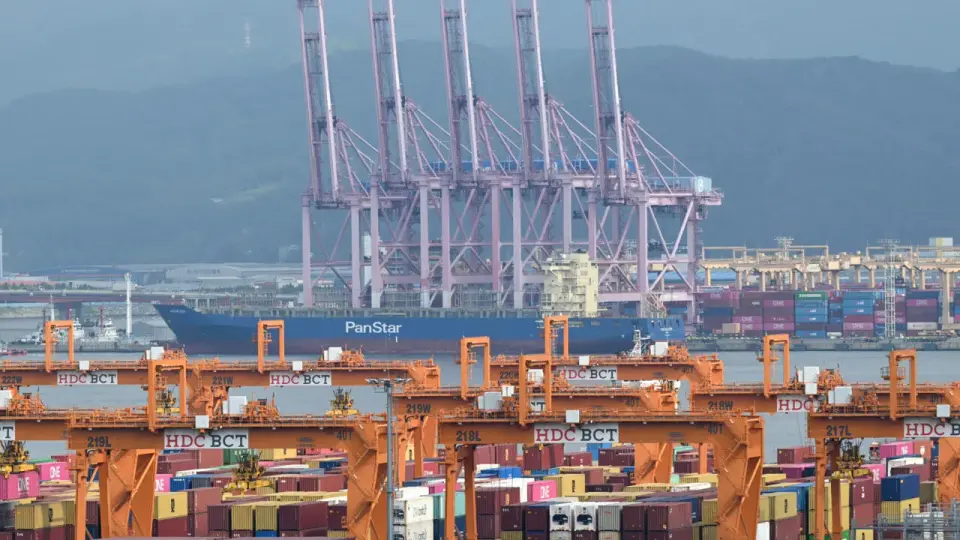
South Korea launched its first commercial trial voyage through the Arctic on August 22, 2026, as Middle East conflicts disrupt traditional shipping lanes. The container ship PanStar Acro departed Busan for Europe via the Northern Sea Route, a path that cuts travel time by 10 days but raises environmental and geopolitical concerns.
Key points
- The PanStar Acro departed Busan New Port at 9:30 pm local time on August 22, 2026, heading to Felixstowe, Rotterdam, and Gdansk.
- The voyage aims to test the commercial viability of the Arctic route, which is approximately 7,000 kilometers shorter than the Suez Canal route.
- The trip is expected to last 40 to 45 days, carrying 837 TEU of cargo including car parts and chemicals.
- This follows a similar trial by China’s Dubai Tower, signaling a shift in global trade routes due to Middle East instability.
- Environmental groups warn that increased Arctic traffic could accelerate sea ice loss, while major carriers like CMA CGM and MSC have pledged to avoid the route.
Background
Recent disruptions in the Strait of Hormuz and Red Sea, driven by US-Israeli strikes on Iran and Houthi attacks, have forced global shippers to seek alternatives. Previous archive coverage noted China’s 'Ice Silk Road' initiatives and ongoing tensions in the Black Sea, highlighting a broader trend of rerouting trade away from conflict zones. The current Arctic push by South Korea and China reflects a strategic response to these geopolitical risks, despite the route's seasonal limitations and higher costs.
How outlets are covering it
France 24 emphasizes the geopolitical risk of South Korea potentially breaching Western sanctions on Russia by using Russian navigation services, noting Seoul’s foreign ministry declined to comment. Al Jazeera highlights the environmental backlash, citing major carriers’ pledges to avoid the Arctic and warnings from groups like Paran Ocean Citizen Science Center that the route’s viability depends on further warming. NBC News frames the move as a strategic shift for US allies and rivals, focusing on the broader implications for global trade security. While all sources agree on the route’s potential to cut travel time, they differ on the primary risks: France 24 focuses on sanctions, Al Jazeera on climate, and NBC on geopolitical alignment.
Why it matters
This trial voyage marks a pivotal moment in global trade, as nations seek to bypass conflict-prone regions like the Middle East. Success could reduce dependence on the Suez Canal and Cape of Good Hope, but it also raises concerns about environmental damage and geopolitical tensions with Russia. The outcome will influence future shipping strategies and climate policies, potentially reshaping global trade networks in the coming decade.
What to watch
The PanStar Acro’s voyage will conclude in approximately 45 days, with results determining whether South Korea will expand Arctic routes by 2030. Monitor for potential sanctions issues with Russia and environmental impacts on Arctic ice. Watch for further trials by other nations and major carriers’ responses to the route’s viability.
- South Korea ship to test alternative Arctic route as Mideast conflict disrupts shipping France 24
- The Iran war is pushing U.S. allies and rivals to a risky new frontier for global trade: The Arctic NBC News
- South Korea sending first container ship through Arctic route Al Jazeera
- South Korea ship to test Arctic commercial route amid Western concerns Reuters
- Major Asian exporter tests Russian Arctic shortcut to Europe indiagazette.com
Want the full story? Read the original reporting
Read on France 24