
Lebanese Farmers Face Existential Crisis as War-Driven Costs Outpace Harvest Value
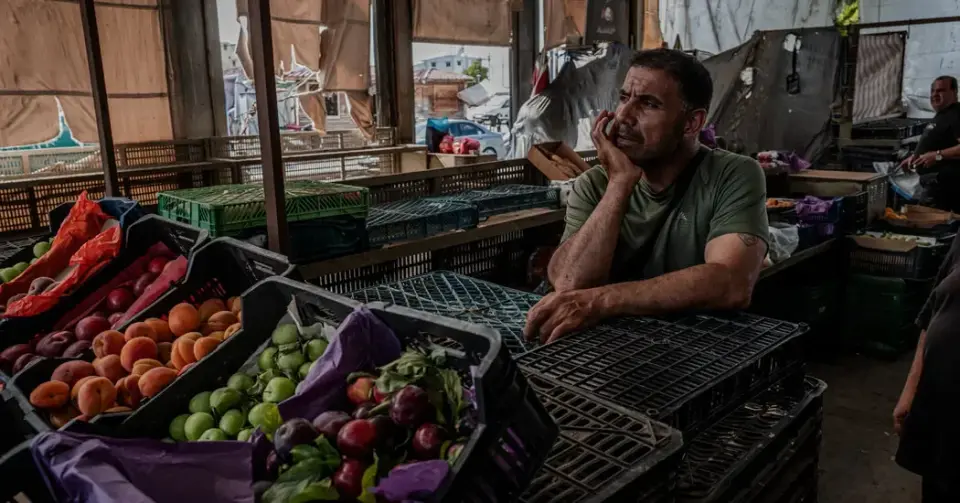
Lebanon’s agricultural sector is in collapse. The March war between Israel and Hezbollah has doubled fuel and fertilizer costs and quintupled labor expenses, while crop prices have halved. Farmers like Abdelnaser Ossman in the Bekaa Valley are renting out land or considering sales to survive what he calls a 'catastrophe.'
Key points
- The ongoing conflict between Israel and Hezbollah, which began in March, has triggered a severe economic shock in Lebanon’s farming industry.
- Input costs have surged dramatically: fuel and fertilizer prices have doubled, while labor costs have increased fivefold.
- Conversely, the market value of agricultural harvests has dropped by 50%, creating a unsustainable gap between production costs and revenue.
- Abdelnaser Ossman, a 55-year-old grape farmer in the Bekaa Valley, has had to rent out portions of his family farm to cover expenses and is now considering selling parts of the property.
- This acute crisis is part of a broader pattern of economic mismanagement and turmoil that has plagued Lebanon for decades, but the current year is described as the most severe on record.
Background
This agricultural collapse occurs against a backdrop of regional instability and global economic pressure. Recent archive coverage notes that the eight-month-old war with Iran has driven up global energy prices, contributing to broader inflationary trends. While the U.S. Federal Reserve is expected to raise interest rates in December due to persistent inflation, Lebanon’s local crisis is driven by direct conflict impacts and years of domestic mismanagement, rather than just global monetary policy. The situation mirrors broader affordability crises seen in other regions, where war-driven cost increases are outpacing income and subsidies.
Why it matters
The collapse of Lebanon’s agricultural sector signals a deepening humanitarian and economic emergency. When basic production costs exceed the value of the output, it forces rural populations into debt or displacement, exacerbating social instability. This local 'catastrophe' reflects how regional conflicts directly translate into immediate, severe economic hardship for civilian livelihoods, undermining long-term food security and economic resilience in the country.
What to watch
Farmers may continue to sell off land or exit the industry entirely as costs remain unmanageable. The situation will likely worsen if the conflict continues to disrupt supply chains and fuel imports. There is no immediate indication of government intervention to offset these specific agricultural costs, suggesting the crisis will persist through the next harvest cycle.
Want the full story? Read the original reporting
Read on The New York Times