
Syria's Post-Assad Recovery Stalls as Fuel Hikes and Subsidy Cuts Spark Widespread Protests
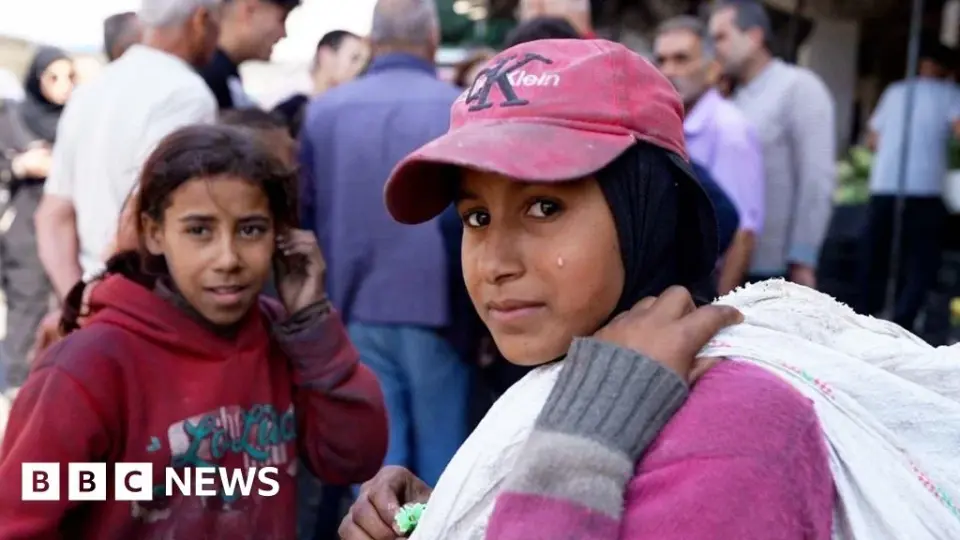
Syria faces a severe cost-of-living crisis two years after the fall of Bashar al-Assad, with rising fuel and electricity prices triggering the largest protests since President Ahmed al-Sharaa took power. While the government has lifted sanctions and stabilized security, austerity measures have eroded purchasing power, leaving 90% of the population in poverty. Recent fuel hikes forced a partial rollback, but experts warn that without policy adjustments, the economic situation remains unsustainable.
Key points
- Protests erupted in September after the government raised diesel prices by 40% and petrol by 26%, marking the largest show of discontent since the regime change.
- The government partially reversed the fuel hike, introducing tiered pricing for diesel, but petrol and gas prices remained unchanged.
- Subsidy cuts have caused bread prices to rise tenfold and electricity costs to increase by several hundred percent for some households.
- The UN Development Programme estimates that 90% of Syrians are now in poverty, compared to roughly one-third before the civil war began in 2011.
- Reconstruction costs are estimated at $216 billion, and the economy remains heavily dependent on fuel imports, exacerbated by the US-Iran conflict.
Background
Syria has been in a state of transition since rebels led by Ahmed al-Sharaa ousted Bashar al-Assad, ending over 13 years of civil war. While the new administration has secured the lifting of international sanctions and removal from the US state sponsor of terrorism list, the country remains largely in ruins. Previous archive coverage highlights that global energy markets have been volatile due to the US-Iran war, which has contributed to higher procurement costs for Syrian fuel imports.
How outlets are covering it
BBC and The Times of India emphasize the disconnect between the government's liberal economic policies and the immediate needs of the population, citing specific cases of families unable to afford basic food or electricity. They note that while some citizens advocate for patience, others fear chaos if policies do not change. ANHA focuses on the specific impact in the Jazira region, detailing how flour ration cuts and the suspension of subsidized diesel have crippled local bakeries and forced residents to buy commercial bread at high prices. Malay Mail offers a contrasting perspective on adaptation, reporting that some Syrians are switching to electric vehicles to mitigate rising petrol costs, although this remains a niche solution for the wealthy due to the country's overall poverty levels. Outlets agree that the economic crisis is the most dangerous threat to the new government's stability, with some attributing it to the legacy of the previous regime and others to the new administration's failure to manage expectations.
Why it matters
The economic instability threatens to undo the political gains achieved since the fall of the Assad regime. If the government cannot balance austerity with social support, the risk of renewed unrest and social fragmentation increases. The situation also highlights the broader impact of regional conflicts, such as the US-Iran war, on energy-dependent economies in the Middle East.
What to watch
The government plans to restart small local refineries, known as 'burners', to increase crude processing capacity. Energy minister Mohammed al-Bashir has indicated that fuel prices may be revised based on global conditions. However, without significant foreign investment or a change in subsidy policies, the cost-of-living crisis is likely to persist, potentially leading to further public discontent.
- Syrians grow frustrated as soaring living costs threaten recovery BBC
- Flour ration cuts, absence of subsidized diesel worsen bread crisis in Jazira ANHA
- Damascus Drivers Switch to Electric Cars as Petrol Costs Bite JournalArta
- Syria dreamed of a new dawn after Assad, but economic misery clouds its future The Times of India
- Shock at the pump drives Syrians electric as cheap Chinese cars hit the streets of Damascus Malay Mail
Want the full story? Read the original reporting
Read on BBC