
Tehran Rent Crisis: Average Lease Costs Triple Typical Worker Salaries
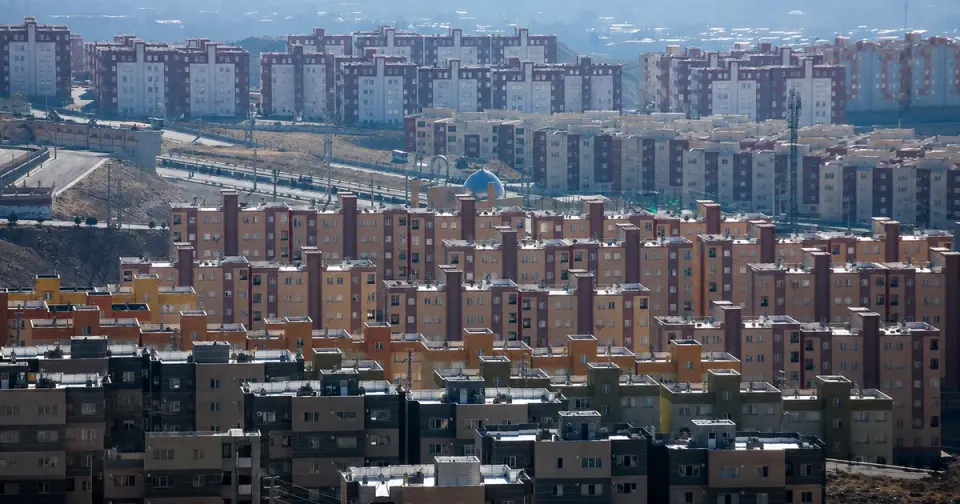
Average advertised monthly rent in Tehran has exceeded 720 million rials, roughly three times the typical monthly salary of 200 to 250 million rials. While the Supreme Housing Council caps rent increases at 25%, landlords are imposing hikes of 70% to 100%, citing high inflation. This gap has forced many residents to share housing, move to suburbs, or return to parental homes, as homeownership remains out of reach for most.
Key points
- Average advertised rent in Tehran reached approximately 723 million rials in late July, equivalent to about $389 at open-market rates.
- Typical monthly salaries for Iranian workers range from 200 to 250 million rials, making the average rent roughly three times the upper end of that income bracket.
- Landlords are increasing rents by 70% to 100%, far exceeding the 25% ceiling set by the Supreme Housing Council for the capital.
- Average home prices in Tehran have surpassed 240 billion rials (about $129,000), rendering homeownership unaffordable for most households.
- Approximately half of Tehran’s residents are renters, with many shifting to shared housing or peripheral areas to manage costs.
Background
Iran has faced a prolonged housing affordability crisis driven by high inflation, currency depreciation, and rising construction costs. Previous coverage noted that while the government has attempted to ease the burden through rent ceilings and deposit loans, enforcement remains weak. The current situation reflects a deepening gap between stagnant wages and soaring living costs, a trend consistent with earlier reports of economic strain affecting basic needs and social stability.
Why it matters
The severe disconnect between wages and housing costs threatens social stability and forces structural changes in how Iranians live, such as increased informal settlements and migration to cheaper areas. Weak enforcement of rent controls undermines government credibility and exacerbates economic inequality, potentially straining the state’s ability to maintain public order and support its security apparatus amid broader economic pressures.
What to watch
Authorities may face increased pressure to enforce rent ceilings, though current enforcement is described as weak. Tenants may continue to seek legal recourse, though this process is uncertain and risky. The trend of moving to peripheral areas or sharing housing is likely to continue, potentially leading to further expansion of informal settlements. Long-term, the affordability gap may persist unless wages rise significantly or housing costs are stabilized through effective policy intervention.
Want the full story? Read the original reporting
Read on Iran International