
Salvadoran TPS Uncertainty Triggers Layoffs in D.C. and Beyond
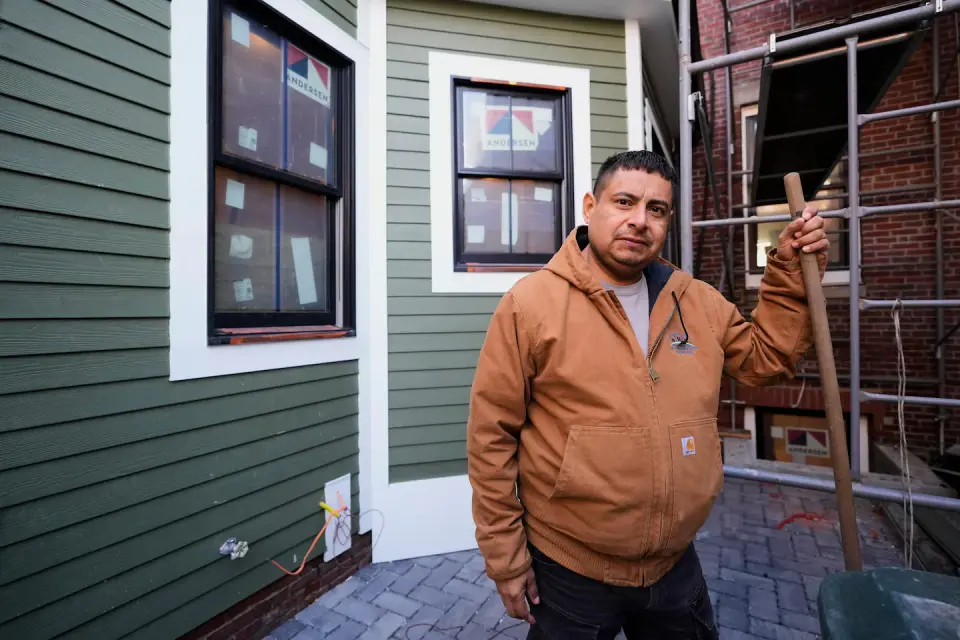
As the deadline for Salvadoran Temporary Protected Status (TPS) approaches, U.S. businesses are initiating layoffs. The Department of Homeland Security has not announced a decision, leaving approximately 200,000 workers in legal limbo. This uncertainty has caused employers in sectors like construction, healthcare, and federal maintenance to cut jobs, while families prepare for potential deportation. The situation mirrors recent TPS terminations for Haitians, with advocates warning of severe economic impacts on both the U.S. workforce and El Salvador’s economy, which relies heavily on remittances.
Key points
- DHS has not announced a decision on Salvadoran TPS, stating protections remain until an announcement is made, but work permits are set to expire on September 9.
- Businesses in the D.C. region, including federal building cleaners, hospitals, and construction firms, have begun laying off Salvadoran workers due to the uncertainty.
- Approximately 200,000 Salvadorans hold TPS, with many having U.S.-citizen children; families are moving savings and listing homes for sale in anticipation of potential deportation.
- The Trump administration has ended TPS for 14 countries, affecting over 1 million people, following a June Supreme Court ruling that upheld the administration’s authority to terminate the program.
- El Salvador’s economy depends on remittances, which account for 24% of its GDP, making the potential loss of TPS a significant economic threat for the country.
Background
This development follows the recent termination of TPS for Haitians, which left hundreds of thousands in legal limbo. The current uncertainty for Salvadorans is part of a broader pattern of TPS revocations under the Trump administration, which has ended protections for 14 countries. The situation is also influenced by the political relationship between U.S. President Donald Trump and Salvadoran President Nayib Bukele, who has been an ally in immigration and security matters but has not publicly pushed for a TPS extension in the current administration.
How outlets are covering it
The Washington Post emphasizes the immediate economic impact, highlighting layoffs in specific sectors like federal maintenance and construction. CNN focuses on the human element, detailing the emotional toll on individuals like Soledad Miranda, who is preparing for a potential move. NBC News provides a broader statistical context, noting that the Trump administration has ended TPS for over 1 million people from 14 countries, and highlights the legal uncertainty surrounding the expiration date. Bethesda Magazine, a local outlet, underscores the regional impact in the Maryland area, where thousands of Salvadoran immigrants face potential loss of legal protections.
Why it matters
The uncertainty surrounding Salvadoran TPS has direct implications for the U.S. labor market, as businesses in critical sectors are forced to make decisions about workforce stability. It also highlights the broader impact of immigration policy on immigrant communities and their home countries, particularly El Salvador, which relies heavily on remittances. The situation underscores the human cost of immigration policy changes and the economic ripple effects that can extend beyond the U.S. border.
What to watch
The Department of Homeland Security is expected to make an announcement on Salvadoran TPS at an unspecified time. If no action is taken, protections may be automatically extended for six months, as happened with Lebanese TPS holders in May. Advocates are urging Salvadorans to consult with immigration attorneys to explore legal pathways, while families continue to prepare for potential deportation. The outcome will likely influence future TPS decisions for other countries and could have significant economic and social consequences for both the U.S. and El Salvador.
- As immigration status for Salvadorans remains in limbo, businesses begin layoffs washingtonpost.com
- Trump administration allows TPS to continue for Salvadorans – for now NPR
- Thousands of Salvadoran immigrants in MoCo could soon lose legal protections Bethesda Magazine
- These immigrants who’ve spent decades in the US fear their deportation protections are on the verge of ending CNN
- Salvadoran TPS deadline nears, affecting 200,000 immigrants nbcnews.com
Want the full story? Read the original reporting
Read on washingtonpost.com