
Trump Signs 100% Drone Tariff to Boost US Production and Curb Foreign Dependence
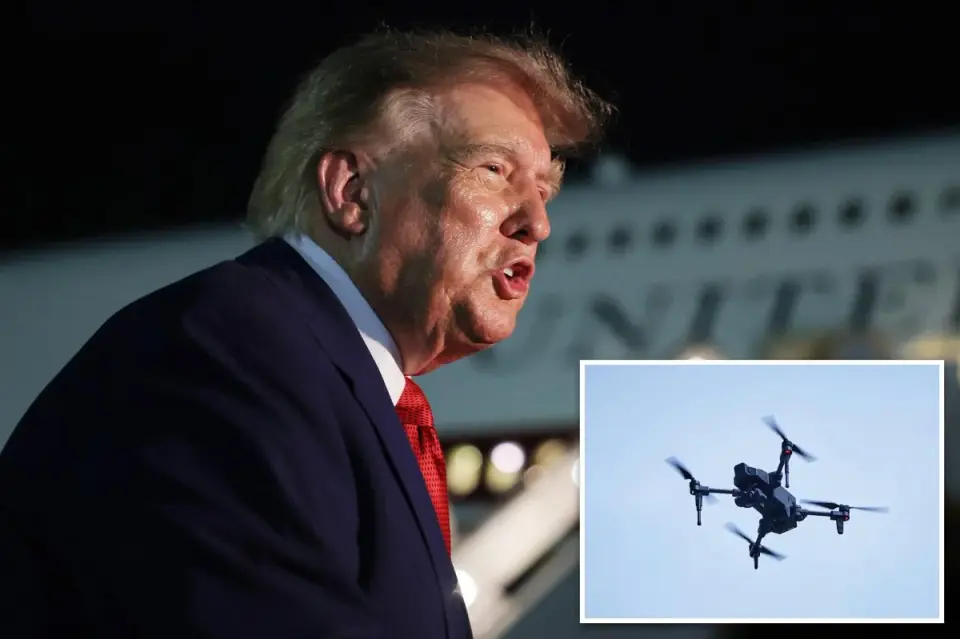
President Trump signed a proclamation imposing tariffs of up to 100% on certain imported drones and components, citing national security risks and the need to expand domestic manufacturing. The order targets large drones with thermal imaging capabilities, while smaller units face lower duties. The move aims to reduce reliance on foreign supply chains, particularly from China, and includes provisions for an onshoring program to support US producers.
Key points
- A 100% tariff applies to drones with a maximum takeoff weight over 55 pounds or those equipped with thermal imaging, along with their docking stations and critical components.
- Smaller imported drones face a 25% tariff, while drones from the EU, Japan, South Korea, Switzerland, and Taiwan incur a 15% duty, and those from the UK face a 10% fee.
- The 100% levy takes effect in 21 days, whereas duties on non-sensitive drones and components will apply after 180 days.
- Commerce Secretary Howard Lutnick’s report concluded that US reliance on foreign drone sources poses cybersecurity risks and that domestic production cannot currently meet wartime or long-term economic demands.
- The Department of Commerce is authorized to launch an onshoring program to assist companies investing in US drone manufacturing.
Background
This action follows earlier trade measures, including a 15% tariff on polysilicon to counter Chinese semiconductor dominance and a 50% duty on select Canadian goods. It also aligns with a broader reindustrialization strategy, including a previous $1 billion drone dominance program aimed at scaling low-cost US manufacturing. Courts have previously ruled some global tariffs illegal, but this specific order focuses on national security exemptions.
How outlets are covering it
The New York Post emphasizes the national security justification and the specific technical criteria for the 100% levy, highlighting Lutnick’s role in the decision. CNBC focuses on the market reaction, noting that drone stocks like Unusual Machines and Red Cat rallied significantly, and frames the move as part of a broader effort to reduce reliance on China. Bloomberg frames the tariffs as a deepening of US-China tech decoupling, linking the policy to wider geopolitical tensions and defense budget increases, including a proposed $75 billion allocation for drones in the 2027 budget.
Why it matters
The tariffs aim to secure the defense industrial base by reducing vulnerabilities in supply chains and boosting domestic production capacity. For the defense sector, this could accelerate investment in US manufacturing but may also raise costs for consumers and businesses reliant on imported drones. The policy signals a shift toward self-sufficiency in critical technologies, potentially affecting global trade dynamics and US-China relations.
What to watch
The 100% tariff on sensitive drones takes effect in 21 days, while non-sensitive duties apply in 180 days. The Department of Commerce will implement an onshoring program to support US manufacturers. The second stage of the drone dominance program is scheduled to begin this month, and the 2027 defense budget request includes a historic $75 billion for drones.
- Trump slaps 100% tariff on certain drones over national security concerns New York Post
- Drone stocks rally after Trump orders tariffs on foreign-made components CNBC
- Trump administration to impose tariffs on drone imports, White House says Reuters
- Trump Slaps 100% Tariffs on Drones, Deepening China Supply Rift Bloomberg.com
- Trump Announces Drone Tariffs to Bolster U.S. Supply Chains and Counter China WSJ
Want the full story? Read the original reporting
Read on New York Post