
Record-Early Polar Vortex Disruption Threatens Europe’s Energy Security Amid Record-Low Gas Reserves
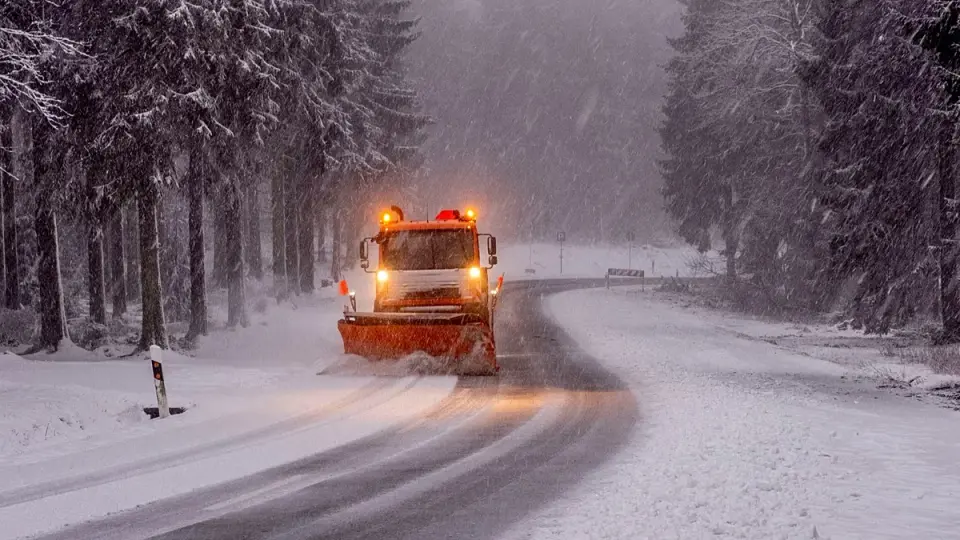
A record-early sudden stratospheric warming event has flipped the polar vortex, raising fears of a severe European winter. With gas storage at decade-low levels and geopolitical supply disruptions, analysts warn of potential price spikes. Heat pumps are highlighted as a critical buffer to reduce reliance on expensive imported LNG.
Key points
- The polar vortex flipped on November 10, 2026, 18 days earlier than any previous major event, potentially causing colder temperatures in Europe for the next 30-40 days.
- Europe’s gas storage levels are at their lowest in over a decade, exacerbated by a blockade of the Strait of Hormuz and upcoming bans on Russian LNG imports.
- European gas prices have surged to levels not seen since the 2022 energy crisis, reaching 103.9 euros per megawatt-hour in late October.
- Heat pumps, which displaced 200+ LNG tankers’ worth of gas in 2025, are cited as essential for energy security, with sales rising 13% to 2.9 million units across 21 European countries.
- The concurrent occurrence of a powerful El Niño and the early vortex breakdown creates an unprecedented scenario with no historical precedent for global gas demand.
Background
This development follows recent concerns over energy infrastructure and climate volatility. In November 2026, a nor'easter already brought the first widespread freeze since spring to nearly 200 million people in the US, highlighting the erratic nature of current weather patterns. Additionally, homeowner interest in heat pump sizing has surged, with apps like Cool Calc emerging to verify equipment installation amid concerns over installer errors, reflecting a broader push for electrification in heating.
How outlets are covering it
Euronews emphasizes the role of heat pumps in mitigating energy costs, noting that each unit displaces 1,100 cubic meters of gas annually. CNBC highlights the market volatility, warning that the combination of a record-early polar vortex and a powerful El Niño is unprecedented, with analysts like David Lewis of Wood Mackenzie stating there is no historical precedent for this impact on gas demand. The Guardian focuses on the meteorological mechanics, confirming the stratosphere warmed by up to 50C in days, while noting that while El Niño usually brings milder winters, the vortex disruption may override this. WOODTV.com offers a more cautious view, suggesting that while the vortex is weakening, the specific impact on surface weather remains uncertain and may manifest as a 'stretching' event rather than a single extreme cold snap.
Why it matters
The convergence of meteorological anomalies and geopolitical supply constraints poses a significant risk to European energy stability. If cold spells persist, the already strained gas market could face severe price spikes, impacting household budgets and industrial operations. The shift toward heat pumps represents a strategic pivot away from volatile fossil fuel imports, potentially reshaping Europe’s energy landscape in the long term.
What to watch
Forecasters expect the colder-than-average weather to persist for 30-40 days following the stratospheric warming event. Energy markets will likely remain volatile as traders assess the impact of low wind speeds and high heating demand on gas reserves. The EU may need to enforce the 7% gas consumption curbs if storage levels continue to drop, while heat pump adoption is expected to accelerate as households seek to insulate against price spikes.
- Heat pumps can heat homes for €2.20 a day in winter, study finds Euronews.com
- An early breakdown in the polar vortex is threatening already depleted gas stocks CNBC
- What is the polar vortex, why has it flipped and will it bring snow? The Guardian
- Ask Ellen: Is the polar vortex going to hit this November? WOODTV.com
- An early taste of winter is heading our way The Times
Want the full story? Read the original reporting
Read on Euronews.com