
Iran Reports Fresh Tanker Fires in Strait of Hormuz Amid US Strike Fears
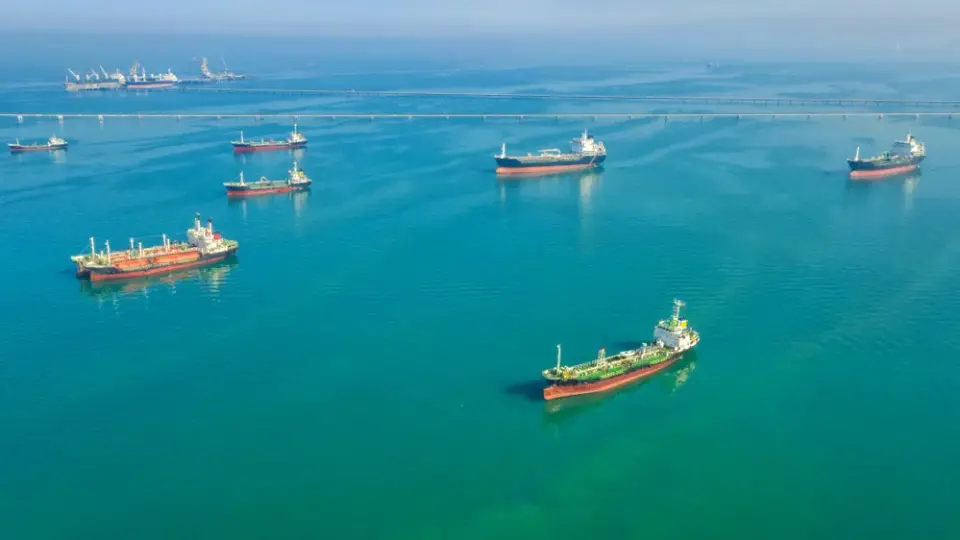
Iran’s Islamic Revolutionary Guard Corps (IRGC) reported that two oil tankers and a tugboat caught fire in the Strait of Hormuz on November 5, 2026, after allegedly using unauthorized routes. The IRGC stated one tanker struck a naval mine south of the strait, while another ignited in the eastern section, causing a nearby tugboat to catch fire. Separately, UK Maritime Trade Operations reported a tanker struck by two unidentified projectiles 50 nautical miles north of Qatar. These incidents follow a surge in maritime attacks since late October, despite a recent recovery in crude flows. Middle East oil exports slipped to 17.1 million barrels per day in October, down from 18.9 million in September, as vessels increasingly disable transponders to avoid detection. Diplomatic efforts are ongoing, with Iranian Foreign Minister Abbas Araghchi speaking with counterparts in Oman, Qatar, and Saudi Arabia to de-escalate tensions.
Key points
- IRGC confirmed two tankers and a tugboat caught fire in the Strait of Hormuz on November 5, citing unauthorized navigation routes.
- One tanker reportedly hit a naval mine south of the strait, while another ignited in the eastern section, igniting a nearby tugboat.
- UK Maritime Trade Operations reported a separate incident where a tanker was struck by two unidentified projectiles near Qatar.
- Middle East crude exports fell to 17.1 million barrels per day in October, down from 18.9 million in September, according to Vortexa data.
- Iranian Foreign Minister Abbas Araghchi held calls with officials in Oman, Qatar, and Saudi Arabia to discuss regional stability and maritime traffic.
Background
These latest incidents follow a series of tanker fires and sinkings in the Strait of Hormuz since mid-October, which Iran attributes to vessels ignoring warnings or hitting naval mines. In late October, Iran’s Supreme Leader ordered unlimited military response to threats, coinciding with a supertanker fire that disrupted flows. While oil exports recovered from spring lows, security conditions have deteriorated, with a higher frequency of attacks reported in recent weeks. Previous coverage noted that transit volumes dropped sharply in early October before partially recovering, though shipping costs remain elevated due to heightened risks.
How outlets are covering it
OilPrice.com emphasizes the IRGC’s narrative that the fires resulted from vessels using unauthorized routes and hitting mines, highlighting the continued deterioration of security in the strait despite recovering oil flows. Al Jazeera focuses on the broader geopolitical context, noting that these incidents occur amid fears of renewed US strikes on Iran. Al Jazeera reports that US and Israeli militaries have drawn plans for a 'short, intensive' operation, while Iranian officials engage in diplomatic talks with Gulf neighbors to de-escalate tensions. The two outlets differ in emphasis: OilPrice.com centers on the immediate maritime incidents and their impact on oil flows, while Al Jazeera frames the events within the wider US-Iran conflict and diplomatic maneuvering.
Why it matters
The Strait of Hormuz is a critical chokepoint for global oil supply, and continued incidents threaten to disrupt energy flows and drive up prices. The recent drop in Middle East exports to 17.1 million barrels per day indicates that security concerns are already affecting trade, even as flows recover from earlier lows. Diplomatic efforts by Iran and Gulf states aim to prevent further escalation, but the risk of military action remains high, with markets pricing in a potential end to the war but still anticipating possible strikes. The situation underscores the fragility of global energy markets amid geopolitical tensions.
What to watch
Diplomatic talks between Iran and Gulf states may continue to seek a resolution to the maritime crisis, while the US and Israel prepare for potential strikes. Oil prices may fluctuate based on developments in the strait and diplomatic outcomes. The IRGC may report further incidents if vessels continue to use unauthorized routes, and UK Maritime Trade Operations will likely monitor the situation for additional attacks. The outcome of these tensions could influence global energy markets and regional stability in the coming weeks.
- Iran Reports More Tanker Fires in Strait of Hormuz Crude Oil Prices Today | OilPrice.com
- Iran war live: 3 tankers on fire in Hormuz; Saudi intercepts Houthi missile Al Jazeera
- Iran's IRGC says four tankers ablaze after hitting mines near Strait of Hormuz Reuters
- Iran Claims Strikes on Multiple Tankers, Emboldened After US Elections The Maritime Executive
- Iran Turns to Guerrilla Tactics in Bid to Reassert Grip on Strait of Hormuz WSJ
Want the full story? Read the original reporting
Read on Crude Oil Prices Today | OilPrice.com