
Goldman Sachs: Hormuz Oil Flows Recover to Two-Thirds of Pre-War Levels
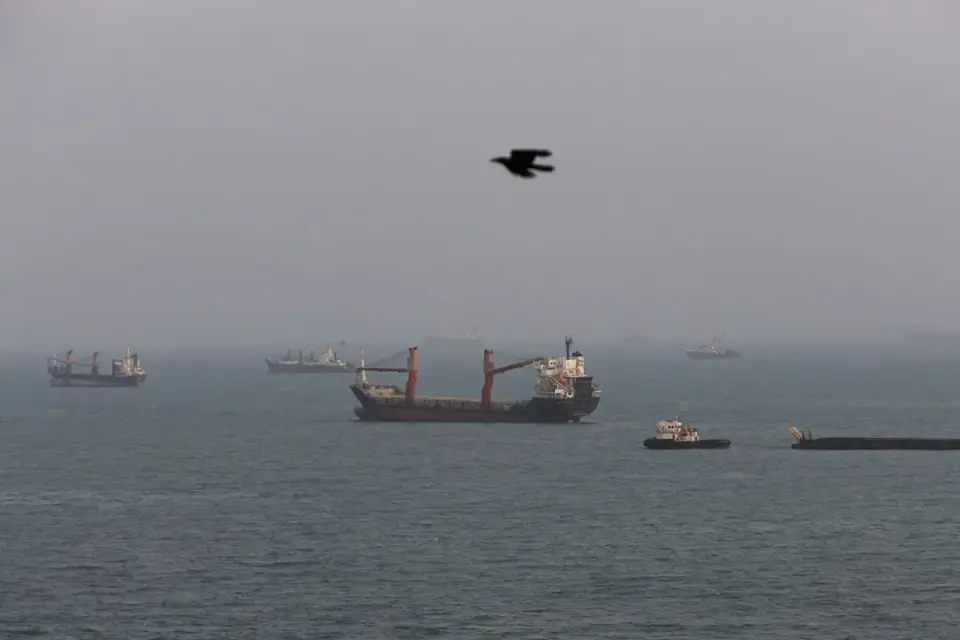
Goldman Sachs reports that oil flows through the Strait of Hormuz have recovered to approximately two-thirds of their pre-war levels. This partial recovery follows a period of severe disruption caused by renewed US-Iran conflict, which had previously reduced shipments to 3-5 million barrels per day. While the current flow level represents a significant improvement from the post-conflict lows, it remains below pre-war norms, indicating that supply chain vulnerabilities persist. The recovery has helped stabilize oil prices, which had spiked above $84 for Brent and $79 for WTI during the peak of the disruption, though markets continue to monitor the situation for further volatility.
Key points
- Goldman Sachs estimates current oil flows through the Strait of Hormuz are at roughly 66% of pre-war levels.
- This recovery follows a sharp decline to 3-5 million barrels per day during renewed US-Iran fighting in mid-2026.
- Oil prices, which peaked above $84 for Brent and $79 for WTI during the conflict, have stabilized as flows improved.
- The recovery is partial, leaving a significant gap compared to pre-war supply levels and maintaining supply risk concerns.
Background
In July 2026, oil flows through the Strait of Hormuz had collapsed to 3-5 million barrels per day due to renewed US-Iran conflict, causing oil prices to spike. By August 2026, there were disputes over the extent of recovery, with the Trump administration claiming normalcy while shipping data showed constrained traffic. The current report from Goldman Sachs provides a quantitative assessment of the recovery, placing flows at two-thirds of pre-war levels, which aligns with a partial but incomplete restoration of supply.
Why it matters
The Strait of Hormuz is a critical chokepoint for global oil supply. A recovery to two-thirds of pre-war levels indicates a significant improvement in energy security and price stability, but the remaining one-third shortfall suggests ongoing vulnerabilities. This partial recovery affects global energy costs, inflation, and geopolitical tensions, as any further disruption could quickly reverse gains and spike prices again.
What to watch
Monitor for further improvements in oil flows through the Strait of Hormuz, which could push prices lower if flows approach pre-war levels. Watch for any renewed US-Iran tensions that could disrupt the current recovery. Track oil price movements, as they will reflect market expectations of future supply stability. Also, observe if alternative supply routes, such as pipelines or shadow fleets, continue to compensate for the Hormuz shortfall.
Want the full story? Read the original reporting
Read on Yahoo Finance