
Iranian IRGC blames mines for twin tanker fires as Hormuz transit collapses
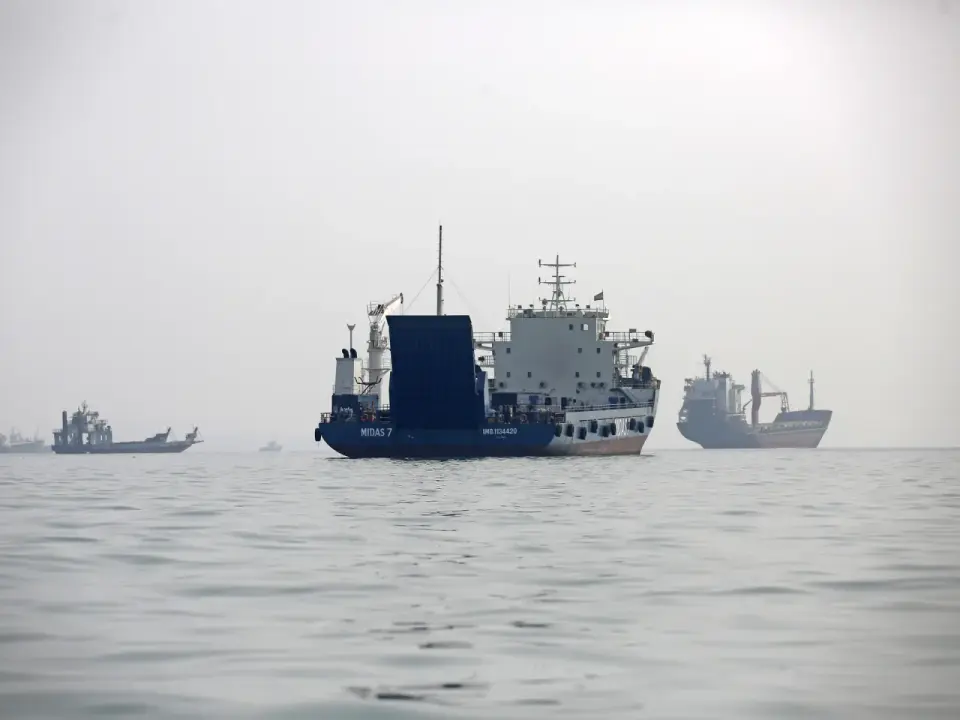
Iran’s Islamic Revolutionary Guard Corps (IRGC) reported that two oil tankers, each carrying approximately two million barrels of crude, caught fire after striking naval mines in the Strait of Hormuz. The IRGC stated the vessels disabled their radar systems and attempted to use unauthorized routes. This incident follows a sharp surge in maritime attacks, with oil transit through the strait dropping from 20.8 million barrels on October 8 to 2.9 million on October 11. While Iran claims the strait is closed to unauthorized traffic, the US maintains it remains open. The disruption has driven up global energy prices and inflation, prompting President Trump to rule out nuclear options while preparing conventional military plans.
Key points
- IRGC reports two tankers hit mines and caught fire in the Strait of Hormuz.
- Vessels allegedly disabled radar and used unauthorized routes, per Iranian officials.
- Oil transit through Hormuz fell to 2.9 million barrels on October 11 from 20.8 million on October 8.
- Iran demands US withdrawal from the region before reopening the strait.
- US President Trump rules out nuclear weapons but prepares conventional strike plans.
Background
This escalation follows a series of maritime incidents since late February, including the sinking of the container ship GFS Pride on October 14 and the mine strike on the Panamanian tanker El Gaia in September. Earlier in October, the IRGC claimed a super tanker was destroyed by a mine, and Iran has consistently demanded authorization for all transits. The current crisis is part of a broader US-Iran conflict that began in late February, with Iran imposing a naval blockade and the US imposing counter-blockades.
How outlets are covering it
Al Jazeera and the IRGC emphasize that the tankers violated Iranian rules by disabling tracking systems and using unauthorized routes, framing the fires as consequences of non-compliance. CBS News highlights the broader geopolitical context, noting Iran’s denial of nuclear ambitions and its readiness for talks, while also reporting on Houthi attacks in Saudi Arabia. The Jerusalem Post focuses on the immediate aftermath, detailing how Iranian fishermen scavenged cargo from the sunken GFS Pride, illustrating the chaotic economic impact. CNN’s source text was largely technical code, but its headline suggests two cargo ships were sunk, aligning with the general narrative of increased attacks. Outlets differ on the cause: Iran blames mines and unauthorized routes, while maritime monitors and some analysts suggest projectile strikes or indiscriminate attacks.
Why it matters
The Strait of Hormuz handles about one-fifth of global oil consumption. The sharp drop in transit volumes has directly impacted global energy prices and inflation. The incident underscores the fragility of global supply chains and the escalating tensions between the US and Iran, which could lead to further military escalation or a diplomatic breakthrough after the US midterm elections.
What to watch
Iran has stated the strait will reopen only if the US leaves the region. The US has prepared plans to use the Massive Ordnance Air Blast bomb on Iran if ordered by President Trump. Trump has indicated a deal may be reached after the November 3 midterm elections. Maritime operators are likely to continue avoiding the strait or paying higher insurance costs, while Iran may continue to enforce its authorization requirements.
- Iran says two tankers catch fire after hitting mines in Strait of Hormuz Al Jazeera
- Live Updates: Reported attacks on ships in or near Strait of Hormuz reach record high, data shows CBS News
- Two cargo ships sunk in Strait of Hormuz as Iran ramps up attacks in run-up to midterms CNN
- Iran's Guards say two tankers hit mines in Strait of Hormuz Reuters
- Iranian fishermen scramble for loot from sunken container ship after explosion The Jerusalem Post
Want the full story? Read the original reporting
Read on Al Jazeera