
Jellyfish and droughts trigger record 20% drop in French nuclear output
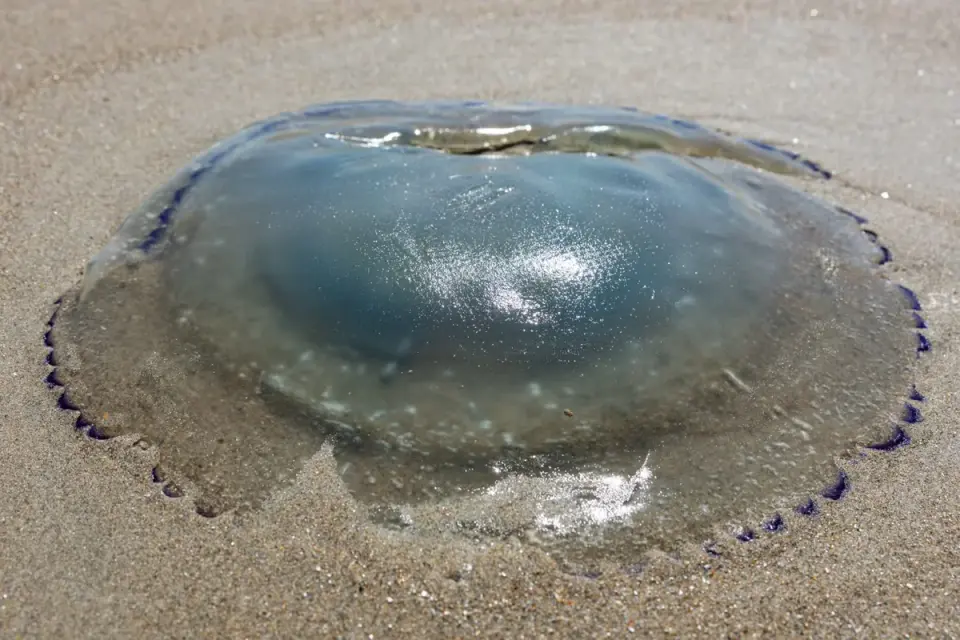
A massive swarm of jellyfish clogged cooling pumps at the Gravelines nuclear plant, forcing the shutdown of five of its six reactors. Combined with drought-related outages elsewhere, this caused a record 20.4% shortfall in France's nuclear capacity, though no safety risks were reported.
Key points
- Jellyfish clogged cooling pumps at Gravelines, shutting down five of its six reactors and leaving only one at full capacity.
- France experienced a record 20.4% shortfall in nuclear generating capacity, with 13 of 57 EDF reactors affected.
- Eight reactors were fully shut down, while five others operated at reduced power due to extreme heat and drought.
- EDF confirmed the incident posed no safety or environmental risks, and short-term electricity supply remained stable.
- Experts attribute the jellyfish bloom to overfishing, plastic pollution, and warming seas driven by climate change.
Background
This incident follows a pattern of climate-driven disruptions to European nuclear infrastructure. In early August 2026, severe Danube droughts forced the shutdown of Hungary's Paks plant and prompted emergency measures to keep Romania's reactors running. France had also shut down multiple reactors in June and July due to extreme heat, and the Gravelines plant was fully taken offline by jellyfish a year ago.
How outlets are covering it
The Independent and France 24 focused primarily on the immediate impact at the Gravelines plant, detailing the specific shutdown of five reactors. Le Monde and Euronews broadened the scope, emphasizing that the jellyfish incident was part of a wider, record-breaking 20.4% national shortfall caused by both marine life and extreme weather. While all outlets agreed on the lack of safety risks, Euronews highlighted expert commentary that short-term supply remains stable despite the capacity loss.
Why it matters
The event highlights the growing vulnerability of Europe's nuclear infrastructure to climate change. As France relies on nuclear power for 70% of its electricity, recurring outages due to warming seas and droughts threaten energy security and underscore the need for adaptive infrastructure investments.
What to watch
EDF is expected to continue monitoring water temperatures and marine conditions across its fleet. The company has announced a €9 billion investment over 15 years to adapt power plants to climate change, which may include upgrades to cooling systems to prevent similar jellyfish blockages in the future.
- Huge swarm of jellyfish shut down nuclear reactors at power plant after clogging pumps The Independent
- One-fifth of France's nuclear capacity offline due to extreme weather and jellyfish Le Monde.fr
- Extreme weather knocks one-fifth of France's nuclear capacity offline Euronews.com
- Jellyfish force shutdown of three reactors at France's largest nuclear plant France 24
- Heatwave expected to remove 15% of France's nuclear capacity on Friday Reuters
Want the full story? Read the original reporting
Read on The Independent