
Zaporizhzhia Reactors Ran on Fumes for 18 Days as Diesel Fuel Ran Dry
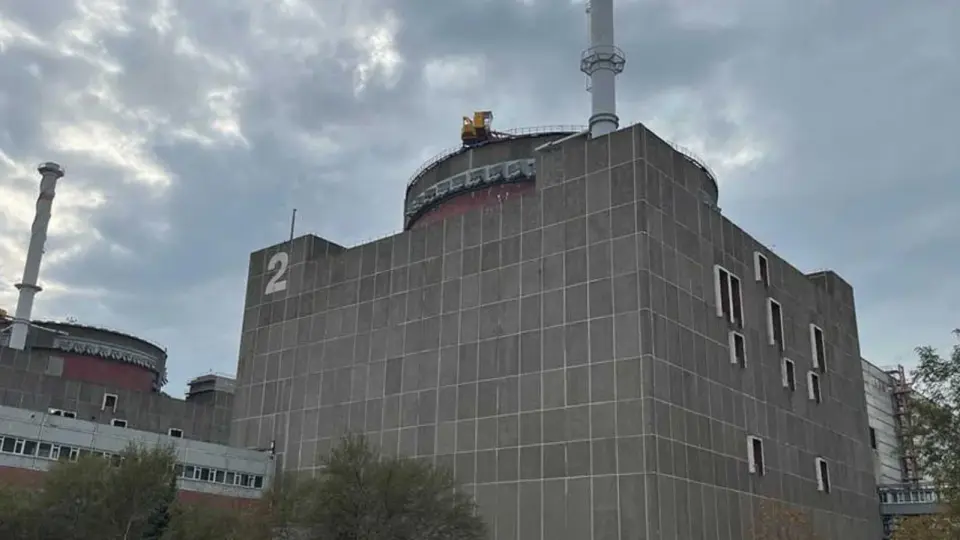
Europe’s largest nuclear plant, Zaporizhzhia, spent 18 days without external power after losing its last grid connection on August 20. Although the site has 20 diesel generators, operators reduced active units to just two to conserve fuel, which is now nearly depleted. The International Atomic Energy Agency (IAEA) confirmed that the sole remaining power line, Ferosplavna-1, was restored on September 7, but warned that the plant’s diesel reserves are critically low. This incident highlights the severe risks of relying on backup systems for continuous cooling of shut-down reactors and spent fuel pools, with the IAEA calling for immediate fuel deliveries to prevent a potential station blackout.
Key points
- Zaporizhzhia lost its last external power connection on August 20, forcing reliance on emergency diesel generators for 18 days until September 7.
- Operators reduced active generators from seven to two to stretch limited fuel supplies, which are now nearly exhausted.
- The IAEA confirmed the restoration of the Ferosplavna-1 power line but emphasized that diesel reserves remain critically low.
- The plant has experienced 26 total losses of external power since the conflict began, with 10 occurring since June.
- IAEA Director General Rafael Mariano Grossi warned that reducing cooling operations to save fuel is unacceptable and called for urgent fuel deliveries.
Background
This incident follows a pattern of power disruptions at Zaporizhzhia, which has lost external power 26 times since 2022. The plant’s six reactors have been shut down for four years, but they still require continuous power for cooling due to residual heat from radioactive decay. Previous outages, including a month-long blackout last fall, have tested the plant’s resilience, but this 18-day stretch was the most severe due to fuel constraints. The IAEA has provided over €27 million in assistance to Ukrainian nuclear facilities since 2022, including radiation monitoring equipment and security upgrades.
How outlets are covering it
The IAEA and Greenpeace emphasize that the power loss resulted from Russian sabotage and military attacks on Ukraine’s grid, with Greenpeace’s satellite analysis finding no evidence of Ukrainian strikes on the power lines. Conversely, Russian officials, including Mikhail Ulyanov, accuse Ukraine of targeting plant staff and fuel convoys, citing a July strike that killed two plant employees. The IAEA maintains a neutral stance, focusing on the technical risks of depleted diesel reserves and the need for stable power, while noting that the plant’s shut-down status reduces immediate heat risks compared to operating reactors. Energoatom, the Ukrainian operator, warns that prolonged generator use increases the risk of mechanical failure and common cause failures across backup systems.
Why it matters
The near-depletion of diesel fuel at Zaporizhzhia underscores the fragility of nuclear safety during armed conflict, where even shut-down reactors require continuous power for cooling. A station blackout could lead to fuel damage, though residual heat is lower than in operating reactors. The incident highlights the critical role of external power lines and the risks of relying on backup generators, which are not designed for prolonged use. It also raises concerns about the vulnerability of fuel supply chains in war zones, where deliveries are blocked by active fighting. The IAEA’s call for urgent fuel deliveries and stable power underscores the need for international cooperation to prevent nuclear accidents in conflict zones.
What to watch
The IAEA is monitoring the plant’s status and calling for immediate diesel fuel deliveries to prevent a potential station blackout. The plant’s sole external power line, Ferosplavna-1, remains functional, but its reliability is uncertain given the ongoing conflict. The IAEA expects to provide further updates on the plant’s safety status, while both sides continue to accuse each other of endangering the facility. The plant may also require diesel for district heating and wastewater treatment in winter, adding to the fuel demand. The IAEA’s ongoing assistance program, including equipment deliveries and security upgrades, will continue to support Ukraine’s nuclear safety infrastructure.
- Seven emergency diesel generators kept six shut-down reactors cool when Europe's largest nuclear plant lost its last power line, but crews ended up running just two of them to stretch the fuel over 18 days, and they've burned through almost all of it Autonocion.com
- Russia ‘sabotaging’ power supply lines at Zaporizhzhia plant: Greenpeace Al Jazeera
- Update 367 – IAEA Director General Statement on Situation in Ukraine International Atomic Energy Agency
- Russian nuclear head says Ukraine attacked fuel trucks, endangered Zaporizhzhia plant Reuters
- Kiev Accused of Targeting Zaporozhye NPP Staff and Families Военное дело
Want the full story? Read the original reporting
Read on Autonocion.com