
UK Lords Committee Demands End to Over-the-Counter Pet Parasite Sales
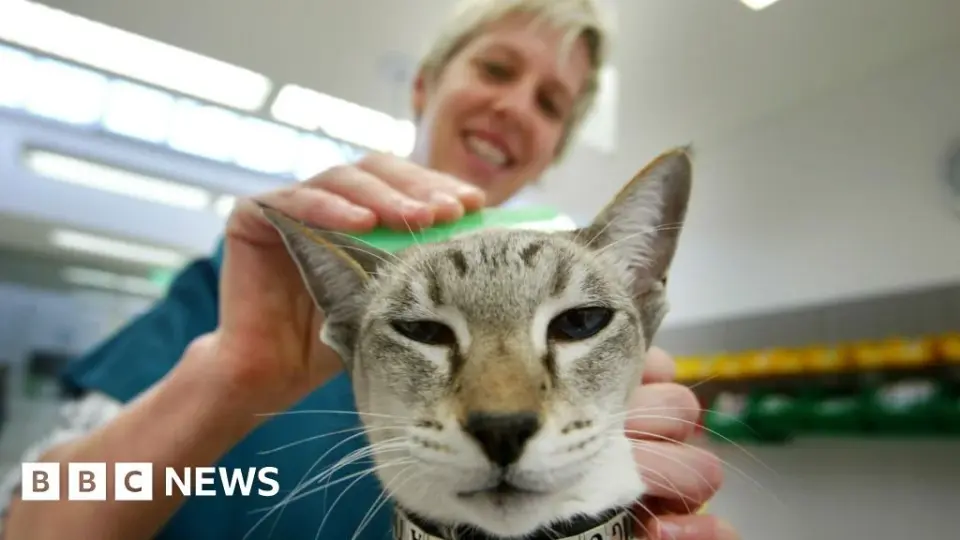
A House of Lords committee has called for a ban on the general sale of pet flea and tick treatments, urging that these products be available only through qualified professionals. The report cites evidence that routine, preventative use of these chemicals, particularly fipronil and imidacloprid, is polluting UK waterways and harming aquatic life. While the government and industry argue these treatments are vital for public and animal health, the committee emphasizes that current usage lacks scientific justification and poses significant environmental risks.
Key points
- The House of Lords Environment and Climate Change Committee published a report titled 'Paws for Concern' recommending that pet parasite medications be restricted to sales by vets, pharmacists, or qualified pet shop staff.
- The report highlights that fipronil and imidacloprid, common in spot-on treatments, are found in UK rivers at levels toxic to aquatic invertebrates, with imidacloprid now a top environmental risk in many waterways.
- Committee members argue that routine, monthly preventative treatment is not supported by scientific evidence, noting that many vets do not treat their own pets on a preventative basis.
- The report recommends extending the no-bathing period for treated pets from four days to 28 days to reduce chemical runoff into sewage systems.
- The UK government and the National Office of Animal Health (NOAH) maintain that these treatments are essential for preventing disease and parasite transmission, while the British Veterinary Association supports the committee's call for restricted sales.
Background
This issue follows earlier concerns about the environmental impact of agricultural pesticides, which led to the ban of fipronil and imidacloprid in farming by 2018. Despite these bans, recent research indicates that pet parasite medications are now a primary source of these chemicals in UK waterways. The debate also follows broader discussions on the regulation of veterinary medicines and the need for more rigorous environmental risk assessments for products used in non-food animals.
How outlets are covering it
The House of Lords committee and Imperial College London researchers emphasize the environmental harm caused by routine use of pet parasite treatments, arguing that current practices lack scientific justification and pollute waterways. They advocate for a risk-based approach where treatments are used only when necessary. In contrast, the National Office of Animal Health (NOAH) and the UK government argue that these treatments play a vital role in preventing disease and protecting both pets and humans, asserting that all products undergo rigorous regulatory assessment. The British Veterinary Association supports the committee's recommendation for restricted sales, while NOAH defends the current availability of these products as essential for public and animal health.
Why it matters
The findings of the House of Lords committee could lead to significant changes in how pet parasite treatments are sold and used in the UK, potentially reducing the environmental impact of these chemicals on waterways and aquatic life. The debate highlights the need for a balance between protecting pets from parasites and preserving the environment, with potential implications for public health and the regulation of veterinary medicines.
What to watch
The UK government is expected to respond to the committee's recommendations, potentially leading to new regulations on the sale and use of pet parasite treatments. The Veterinary Medicines Directorate (VMD) is already engaged in consultations and awareness campaigns to limit the environmental impacts of these treatments. Further research is being funded to assess the environmental and human health risks of these chemicals, with a focus on understanding the long-term effects of exposure.
- Restrict sale of pet flea treatments, government urged BBC
- Should you stop using preventive flea treatments on your pets? New Scientist
- Environment and Climate Change Committee calls for checks on pet parasite medication UK Parliament
- Parliament committee calls for risk-based use of flea and tick treatment following Imperial evidence Imperial College London
- Parasite medication inquiry recommends taking products off general sale Pet Business World
Want the full story? Read the original reporting
Read on BBC