Tag

Water Pollution

All articles tagged with #water pollution

Atrazine Pollution Threatens 860,000 Miles of US Rivers, New Report Reveals
environment14 days ago

Atrazine Pollution Threatens 860,000 Miles of US Rivers, New Report Reveals

A new analysis of federal records indicates that the herbicide atrazine contaminates approximately 25% of continental US rivers, affecting 860,000 miles of waterways. This pollution impacts over 20% of surface drinking water intakes and 675,000 wells. The chemical, classified as a probable carcinogen and endocrine disruptor, is linked to reproductive harm in humans and wildlife. Despite being banned in 60 countries, it remains the second most used pesticide in the US, with 70 million pounds sprayed annually. Advocates blame the EPA for inaction due to industry lobbying, while litigation continues over its approval.

Lords urge curb on over-the-counter pet flea treatments to protect wildlife
environment2 months ago

Lords urge curb on over-the-counter pet flea treatments to protect wildlife

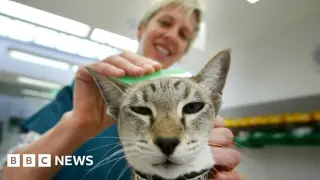
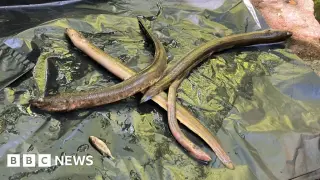
A House of Lords environment committee urges restricting pet flea and tick spot-on treatments to professionals only, citing environmental risks from ingredients such as fipronil and imidacloprid that have been found in UK streams. The report recommends fewer over-the-counter sales, a risk-based approach to use, vet-led provisioning, clearer packaging warnings, and further research into environmental impacts; the government says it is reviewing availability to ensure correct usage, while industry groups defend the role of risk-based use in protecting animal and public health.

NI rivers choking on slurry pollution as fish deaths spark calls for reform
environment3 months ago

NI rivers choking on slurry pollution as fish deaths spark calls for reform

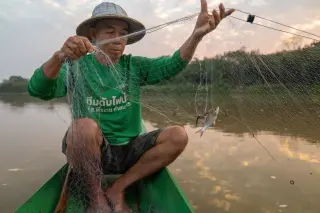
Northern Ireland has seen more than 50,000 fish killed in river pollution over five years, including a 4,500-fish slurry spill in the Torrent River, with around half of incidents triggering no enforcement; authorities say agriculture, industry, and NI Water all contribute, prompting calls for tougher penalties and wastewater reforms to stop ongoing damage to rivers and wildlife.

Panipat's fast-fashion recycling comes with a heavy human and environmental price
world5 months ago

Panipat's fast-fashion recycling comes with a heavy human and environmental price

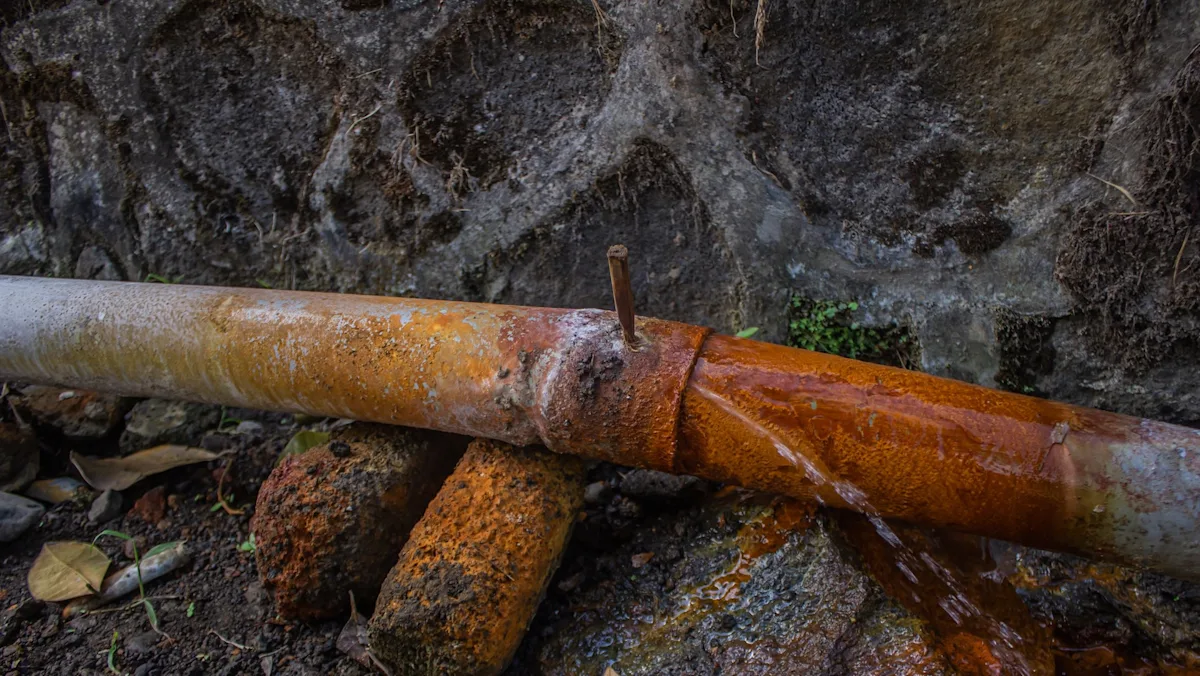
Discarded garments from the U.S., U.K., Japan and others are shipped to Panipat, India, where they’re shredded, dyed and remade into textiles and rugs. The industry sustains hundreds of thousands of jobs but exposes workers to dust, hazardous chemicals and unsafe conditions, with little PPE or health coverage. Wastewater and chemical effluent flow into open drains and nearby water sources, contaminating farmland and affecting nearby communities, while regulatory gaps persist and health problems rise among workers and residents alike. The clothes may gain new life, but the people and environment pay a high price.

"Climate Change Turns Alaskan Rivers Toxic Orange"
environment2 years ago

"Climate Change Turns Alaskan Rivers Toxic Orange"

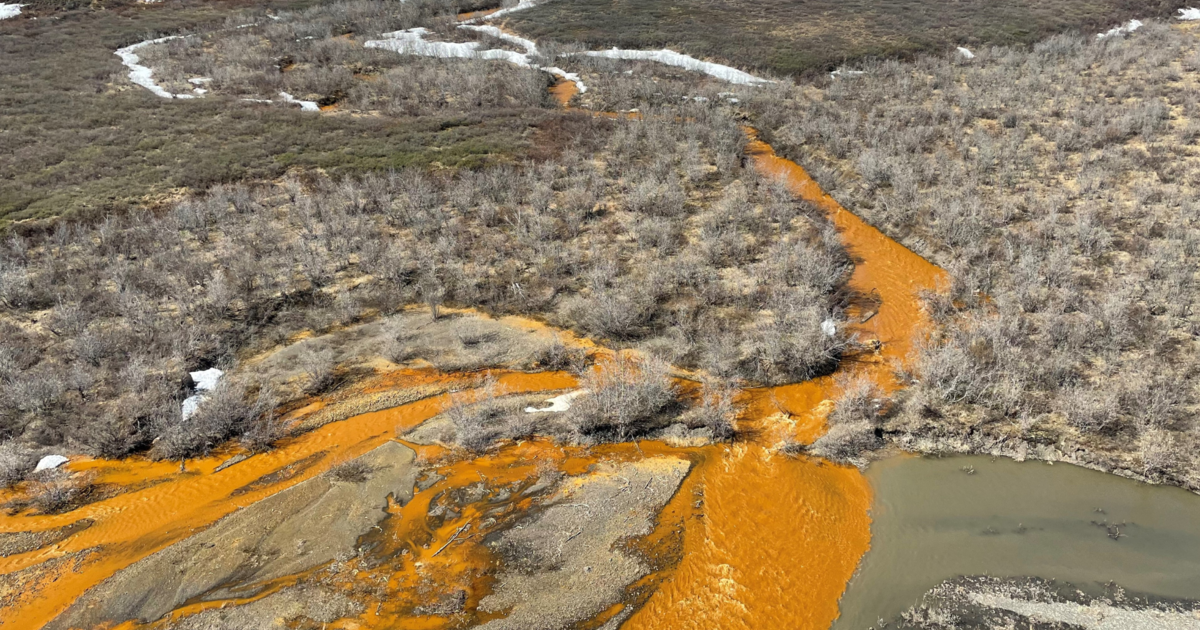
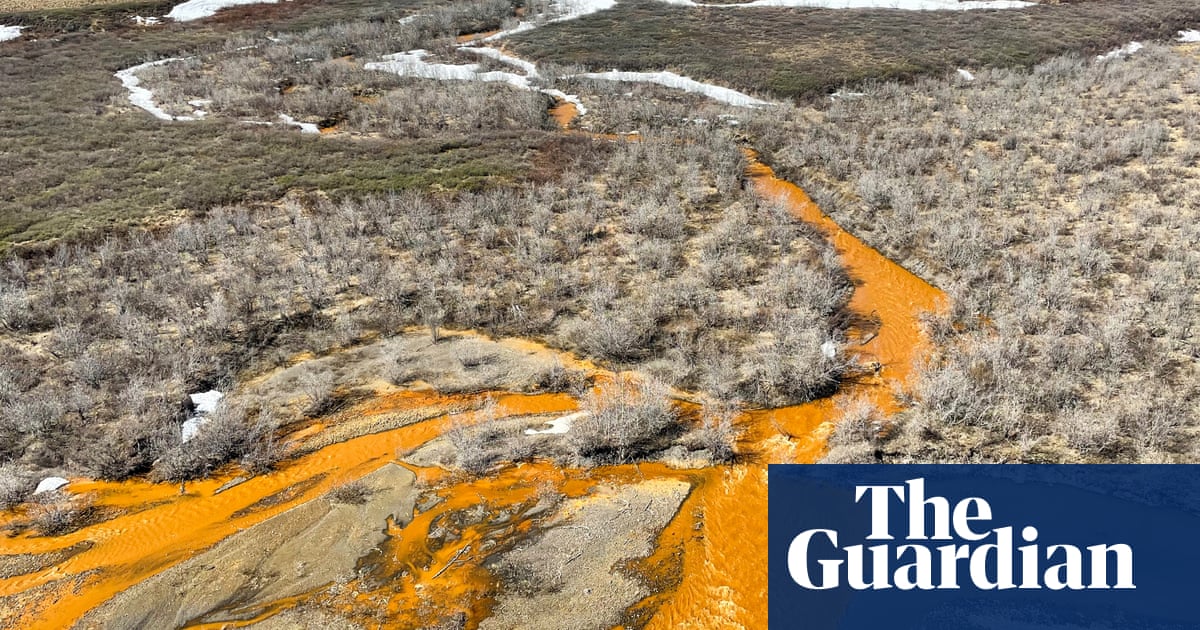
Researchers have discovered that Alaska's rivers are turning orange due to thawing permafrost releasing minerals into the water, a phenomenon linked to climate change. This discoloration, visible even from space, poses risks to drinking water and fish populations, with elevated levels of metals like iron, zinc, and copper making the water more acidic and potentially toxic. The issue is spreading, and scientists are studying its long-term impacts and potential recovery if permafrost refreezes.

"Rusting Rivers: Alaskan Waterways Turn Orange Due to Climate Change"
environment2 years ago

"Rusting Rivers: Alaskan Waterways Turn Orange Due to Climate Change"

Dozens of rivers and streams in Alaska are turning rusty orange due to thawing permafrost, which releases minerals into the water and increases its acidity, dissolving metals like zinc, copper, cadmium, and iron. This phenomenon poses a risk to drinking water and fisheries in the Arctic, with observed impacts on aquatic health and local fish species. The researchers are working to understand the long-term implications and are collaborating with tribal liaisons to provide accurate information to local communities.