
Chinstrap penguin collapse on Zavodovski Island signals Antarctic ecosystem shift
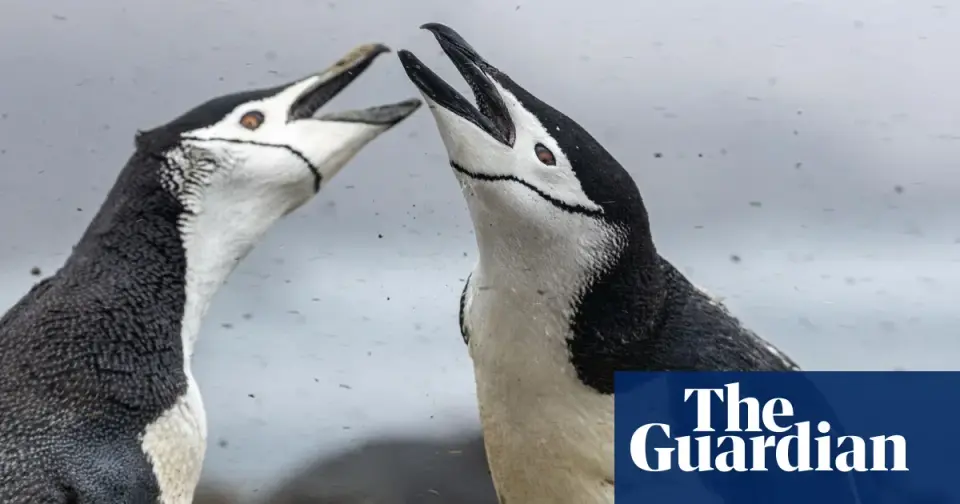
A new study reveals that the chinstrap penguin population on Zavodovski Island, once the world’s largest colony, has plummeted by 63% since 2011. Researchers attribute this rapid decline to climate-driven warming, which has displaced their primary food source, Antarctic krill, further south. While macaroni penguins on the same island have increased in number due to their more flexible diets, the loss of chinstraps threatens broader ecosystem stability. The island has likely lost its status as the world’s largest penguin colony to Cape Adare in the Ross Sea.
Key points
- Chinstrap penguin nests on Zavodovski Island dropped by 63% between 2011 and 2025, representing a loss of approximately 500,000 breeding individuals.
- The decline is linked to warming ocean temperatures, which have pushed Antarctic krill, the chinstraps' primary food, into the Weddell Sea, beyond the birds' foraging range.
- Macaroni penguins on the same island increased by 30% because their varied diet allows them to forage in warmer waters, highlighting a shift in community composition.
- Scientists ruled out volcanic activity from the 2016 Mount Curry eruption and competition from humpback whales as primary causes, noting the decline has been steady and linear.
- The rapid collapse raises concerns about potential endangered species classification for chinstraps and broader ecosystem instability in the Antarctic region.
Background
In 2020, The Guardian first reported declining chinstrap populations on nearby Low Island, prompting early scientific concern about Antarctic ecosystem health. More recently, in August 2026, Australia launched a major vaccination drive for little penguins against bird flu, underscoring growing global efforts to protect vulnerable penguin populations from emerging threats. Meanwhile, New Zealand’s black robin was named Bird of the Year in September 2026, highlighting conservation successes for other species, though the current crisis in Antarctica signals a different, climate-driven challenge.
How outlets are covering it
The Guardian and BBC both emphasize the climate crisis as the primary driver of the population crash, citing warming waters and krill displacement. The Guardian highlights the potential for an 'enormous population crash' leading to ecosystem collapse, while the BBC notes the 'alarming' nature of the decline and the shift in community composition. Both outlets agree that macaroni penguins are thriving due to dietary flexibility, but the Guardian stresses that this does not compensate for the chinstrap loss. CNN’s source text was inaccessible due to a technical error, so its perspective could not be analyzed. All available sources concur that the 2016 volcanic eruption was not the cause, as the decline predates and continued steadily after the event.
Why it matters
The collapse of the world’s largest penguin colony serves as a critical indicator of rapid climate change in the Antarctic. The displacement of krill and the vulnerability of specialist species like chinstraps threaten the stability of marine food webs. If current trends continue, the loss of these key species could trigger broader ecosystem failures, underscoring the urgent need for climate action and conservation strategies to protect sensitive polar environments.
What to watch
Researchers will continue monitoring penguin populations and ocean temperatures to assess the long-term impact of climate change on Antarctic ecosystems. Conservation efforts may focus on protecting remaining breeding grounds and understanding the adaptability of other species. The potential reclassification of chinstrap penguins as endangered could influence international policy and funding for Antarctic research and protection.
- World’s largest penguin colony suffers ‘enormous population crash’ The Guardian
- Iconic penguin colony sees "population collapse" driven by climate change, study finds CBS News
- World's largest penguin colony hit by climate-driven decline BBC
- This island was home to the planet’s largest penguin colony. Here’s why it just lost that title CNN
- Inside the Collapse of Earth's Largest Penguin Colony National Geographic
Want the full story? Read the original reporting
Read on The Guardian