
Chinstrap penguin collapse on Zavodovski Island marks end of world's largest colony
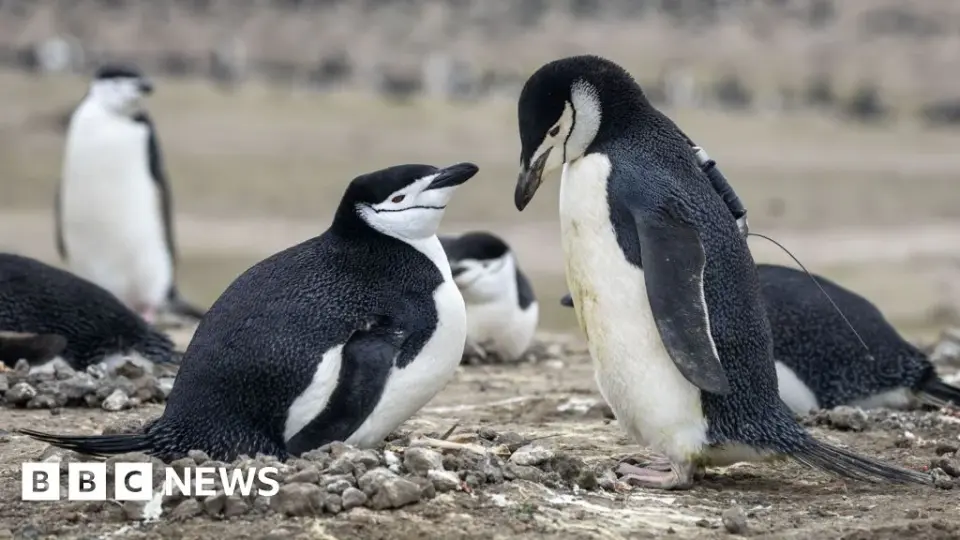
Aerial surveys reveal a 63% decline in chinstrap penguins on Zavodovski Island since 2011, driven by warming oceans and shifting krill populations. The island has lost its status as the world's largest penguin colony to Cape Adare, while macaroni penguins thrive due to dietary flexibility.
Key points
- Chinstrap penguin nests on Zavodovski Island dropped by 63% between 2011 and 2025.
- The decline is attributed to climate change warming ocean temperatures and displacing krill southward.
- Macaroni penguins on the same island have increased in number due to their broader diet.
- Cape Adare in the Ross Sea now holds the title of the world's largest penguin colony.
- The research was conducted by the British Antarctic Survey using drones and tracking devices.
Background
Previous coverage in September 2026 highlighted the same 63% population drop and the shift in ecosystem composition, noting that the loss of chinstraps threatens broader stability. This follows a pattern of climate-driven ecological shifts seen in other regions, such as the cascade of triggers behind Nepal's recent floods, which scientists linked to human-caused warming preconditioning disaster risks.
Why it matters
The collapse of the chinstrap population serves as a stark indicator of rapid warming in the Antarctic, demonstrating how specialized species are vulnerable to climate-driven food supply disruptions. The concurrent rise of macaroni penguins highlights a fundamental shift in community composition, signaling that unique and sensitive ecosystems are being altered by global temperature increases.
What to watch
Researchers suggest that chinstrap penguins may now be officially classified as endangered. Continued monitoring of the island's avian inhabitants will be necessary to assess the long-term impacts of warming waters and shifting food sources on Antarctic biodiversity.
Want the full story? Read the original reporting
Read on BBC