
Killerton National Trust reports stable hazel dormouse populations despite national decline
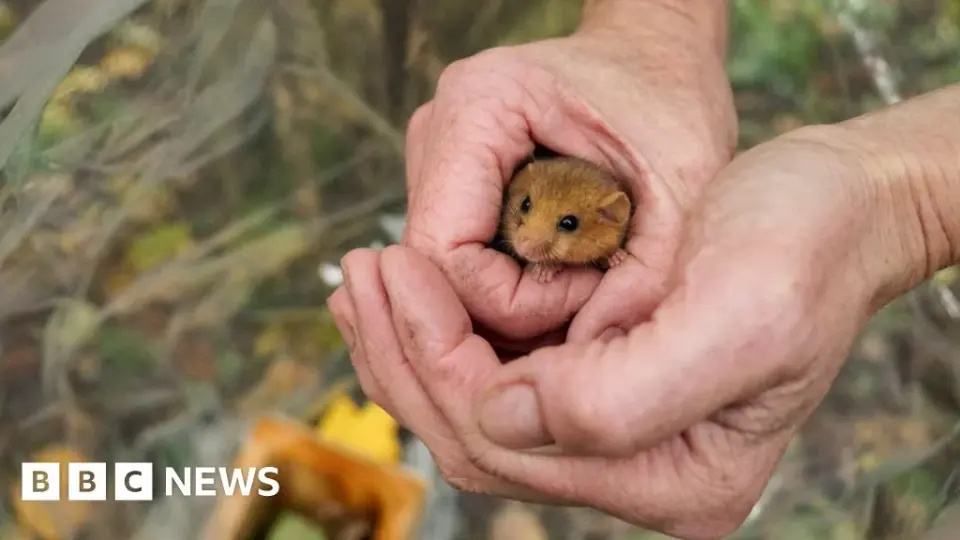
Hazel dormice at Killerton National Trust in Devon are thriving and spreading across the estate, bucking a national trend of significant population decline. Conservation efforts, including extensive hedge planting and habitat connectivity, have stabilized local numbers since 2018. As temperatures drop, the animals are preparing for hibernation, with experts noting that resilient ecosystems and diverse food sources are critical for their winter survival.
Key points
- Killerton National Trust has installed 100 nest boxes across its Devon estate to monitor hazel dormice populations.
- Rangers weigh and record data on the mice between April and October, finding populations to be stable since monitoring began in 2018.
- The People's Trust for Endangered Species reports that UK hazel dormouse populations have declined by over two-thirds since 2000, largely due to habitat fragmentation.
- Senior ranger Fi Hailstone attributes local success to a strong hedge network and the planting of new hedges and trees, which aids in spreading the species across the estate.
- Bramble is highlighted as a crucial resource for dormice, providing food in spring and berries later, while also offering protective cover from predators.
- Dormice typically weigh between 20g and 40g and begin hibernating when temperatures fall below 10C, requiring sufficient weight gain during the active season.
Background
This development follows broader conservation efforts in Devon, where the Woodland Trust recently warned about ecological damage from commercial foraging in protected sites. While that issue concerns fungi and forest floors, the current focus on dormice highlights the importance of maintaining connected habitats like hedges and scrubland. The National Trust has also been involved in other regional initiatives, such as donating produce to animal sanctuaries, reflecting a wider commitment to supporting local wildlife and agricultural ecosystems in Devon.
Why it matters
The stability of hazel dormouse populations at Killerton offers a practical model for reversing national declines. By demonstrating that targeted habitat management, such as planting hedges and preserving bramble, can support wildlife recovery, the site provides evidence for conservation strategies that prioritize habitat connectivity over isolated woodland planting. This is critical for species vulnerable to climate fluctuations and habitat loss, ensuring long-term survival through resilient ecosystems.
What to watch
The National Trust will continue monitoring the dormouse population through the active season, with a focus on ensuring the animals gain sufficient weight before hibernation. Long-term management will emphasize maintaining existing woodlands and hedges, as new woodland plantings may not benefit dormice for up to 100 years. Public engagement will likely continue through awareness campaigns about the importance of bramble and other native plants in supporting wildlife.
Want the full story? Read the original reporting
Read on BBC