Tag

Contamination

All articles tagged with #contamination

FDA recalls millions of prednisolone eye drops over potential contaminant risk
health1 day ago

FDA recalls millions of prednisolone eye drops over potential contaminant risk

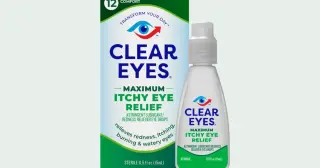
The FDA issued a Class II recall of about 2.5 million bottles of prednisolone acetate ophthalmic suspension 1% eye drops by Lupin Pharmaceuticals due to a potential foreign-substance contamination. The products—available in 5 mL, 10 mL, and 15 mL sizes—were initially recalled on June 4 and reclassified on June 30; the drops treat non-infectious eye allergies and inflammation.

Digestive cancers show distinct microbiomes, large study finds
science3 days ago

Digestive cancers show distinct microbiomes, large study finds

A large-scale analysis of Genomics England’s 100,000 Genomes Project used stringent methods to separate genuine microbial signals from lab contamination. The study found that most cancers (including brain, breast and kidney cancers) do not have a microbiome distinguishable from background, suggesting earlier reports may reflect contamination. In contrast, mouth, esophagus, stomach and colorectal cancers showed clear, consistent microbial life, including bacteria, viruses, fungi and archaea, with microbe communities varying by tumor location and subtype. The team released their data and a list of confidently present microbes to help other researchers apply the rigorous approach, with implications for understanding how microbiomes influence tumor development, treatment response, and potentially improving GI cancer diagnosis and early detection.

Target Recalls Up & Up Baby Wipes Over Bacterial Contamination Risk
health1 month ago

Target Recalls Up & Up Baby Wipes Over Bacterial Contamination Risk

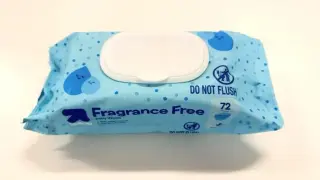
Target is voluntarily recalling certain Up & Up brand baby wipes (fragrance-free and Fresh Cucumber Scented) after FDA testing detected bacteria, specifically Burkholderia cepacia complex and Burkholderia gladioli, with customers reporting skin irritation, eye irritation, and infections. Infants and young children are especially vulnerable to serious, life‑threatening infections from contaminated products. Consumers should immediately stop using the recalled wipes and return them to Target for a full refund; the products were sold nationwide in stores and on Target.com and were manufactured by Sapro Temizlik Urunleri. The investigation is ongoing, and questions can be directed to Target Guest Relations.

Former McDonald’s manager charged with tainting fries for ex-girlfriend in Massachusetts
crime-and-courts1 month ago

Former McDonald’s manager charged with tainting fries for ex-girlfriend in Massachusetts

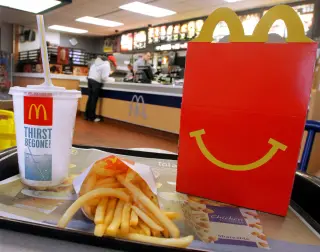
A 22-year-old Southbridge McDonald’s night manager, Kaylie Santos, is charged with distributing food with a harmful substance after allegedly placing her saliva on fries served to her ex‑girlfriend; police say a Snapchat video captured the act, and arraignment is set for June 5. Authorities say no other customers were affected and there were no public health concerns.

Shroud of Turin: Food DNA Found, Pointing to Centuries of Contamination
science2 months ago

Shroud of Turin: Food DNA Found, Pointing to Centuries of Contamination

Researchers analyzing dust and fibers from the Turin Shroud identified plant DNA—carrot, bread wheat, maize, peanuts, and various fruits—suggesting contamination over time rather than revealing the cloth’s age; metagenomic DNA cannot confirm origin, while radiocarbon dating in 1988 placed the cloth at 1260–1390 AD and a 2024 analysis hinted at a date closer to 2,000 years, with the final results not yet published.

Shroud of Turin DNA: Plant Traces Suggest Post-1492 Contamination
science2 months ago

Shroud of Turin DNA: Plant Traces Suggest Post-1492 Contamination

Researchers analyzing dust and fibers from the Shroud of Turin report plant DNA—carrot, bread wheat and other crops—signalling contamination over time rather than confirming the relic’s age; they caution metagenomics can’t reliably date the cloth, even as radiocarbon dating in 1988 placed it medieval (1260–1390 AD) and 2024 WAXS results broadly align with a two-millennium history.

Ballpoint Ink in Martian Meteorites Highlights Contamination Challenge
space-and-spaceflight2 months ago

Ballpoint Ink in Martian Meteorites Highlights Contamination Challenge

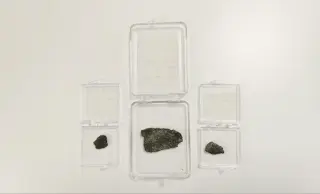
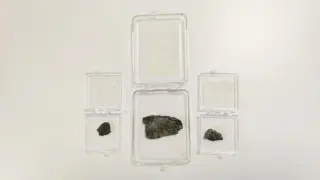
A Basque Country team analyzed six Martian meteorite slices and found traces of ballpoint-pen ink and other contaminants tied to sample processing, not Martian material. Using Raman spectroscopy, they identified seven contaminants, including a copper compound, printer-ink molecules, and blue polyester, across samples with and without prior processing. While analytic methods can distinguish these contaminants, the study underscores the lack of standardized, contamination-aware prep protocols and proposes steps to minimize leftovers as future Mars sample-return missions proceed.

Bagged Greens Pose Real Safety Risks, Experts Warn
food-and-drink3 months ago

Bagged Greens Pose Real Safety Risks, Experts Warn

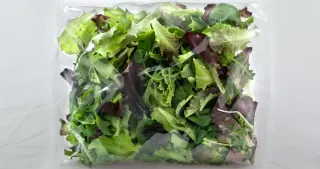
A HuffPost piece explains that prewashed bagged greens are among the riskiest grocery items due to contamination by pathogens like E. coli, listeria, and salmonella, which can spread across the supply chain. Washing at home doesn’t reliably remove these pathogens, and mixing greens from multiple farms in processing can amplify spread. For safer shopping, check recalls and expiration dates, choose visibly fresh bags with minimal moisture, minimize temperature changes, and refrigerate properly; buying whole heads of lettuce or spinach can reduce risk. If you must buy bagged greens, follow precautionary steps and discard any bags that show signs of spoilage or recalls.

Scientists Push Back on Microplastics Health Alarm, Citing Method Flaws
science4 months ago

Scientists Push Back on Microplastics Health Alarm, Citing Method Flaws

A Fortune/Yahoo report notes that several scientists are challenging recent warnings about microplastics harming human health, arguing that many high-profile findings may be due to methodological issues, contamination, and false positives (for example, Py-GC-MS signals can be confused by fat in tissue). Some researchers say rising obesity could better explain observed health problems, and they call for more robust, standardized techniques before policy changes or costly “detox” treatments. Experts also urge precautionary steps but warn against sensational claims while the field remains immature and in need of rigorous validation.

Tiny plastics found inside prostate tumors spark research questions
health4 months ago

Tiny plastics found inside prostate tumors spark research questions

In a small, not-yet-peer-reviewed study of 10 men with prostate cancer, researchers found microplastics in 90% of tumor samples and 70% of nearby noncancerous tissue, with higher concentrations in tumors. The findings are preliminary, the study took extensive contamination precautions, and larger studies are needed to determine any causal link or health implications.

New debate questions how solid the evidence is for microplastics in human tissues
health-and-medicine5 months ago

New debate questions how solid the evidence is for microplastics in human tissues

A growing critique argues that many studies claiming microplastics in human bodies may be flawed, due to Py-GC-MS measurement flaws that can mistake tissue fats for plastics, and inadequate contamination controls. Critics point to 18 papers with questionable methods, highlighting that the field is nascent and that hard proof of health impacts is still lacking, though the possibility of plastics in humans isn’t fully ruled out.

science5 months ago

Doubts Grow Over Microplastics in the Human Body

Researchers are questioning how microplastics are detected in human tissues, pointing to contamination and lack of validation in key studies. An International Science Council review catalogs about 7,000 studies on the topic; meanwhile new detection methods from the Medical University of Vienna aim to improve accuracy, though broad consensus may take years. While some scientists defend findings, experts urge cautious interpretation and measured policymaking to avoid alarm.

environment5 months ago

Doubts Mount Over Evidence of Microplastics in Humans

Scientists are questioning the reliability of studies that detect microplastics in human tissues, citing contamination risks and flawed methods that could inflate results. A Guardian report and reviews of thousands of papers highlight potentially problematic studies, fueling calls for improved methodologies before drawing health conclusions or guiding policy.