
Dutch Nonprofit Targets 90% Ocean Plastic Removal by 2040 via River Interceptors
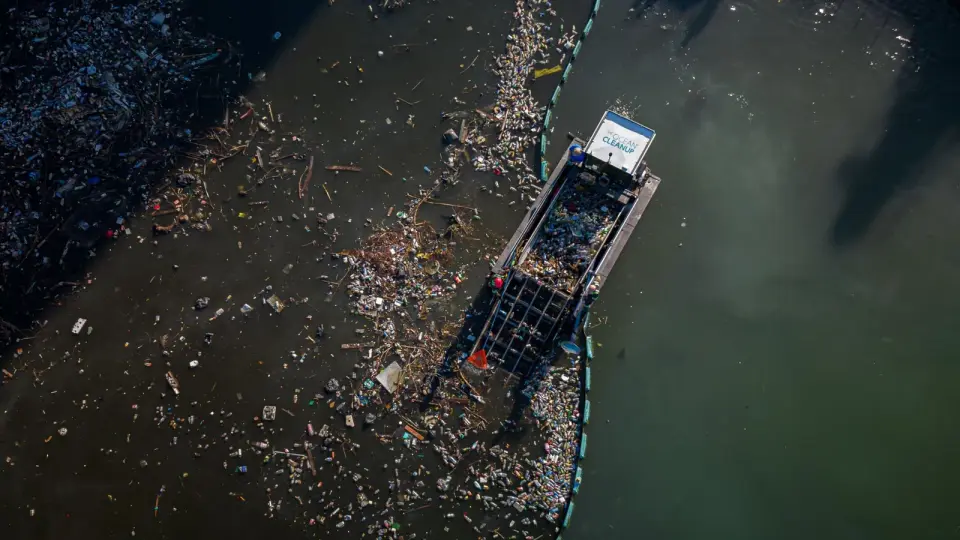
The Ocean Cleanup, a Dutch nonprofit, is deploying autonomous 'interceptors' in 11 countries to remove floating plastic, aiming to eliminate 90% of ocean plastic by 2040. The organization has removed over 66,000 metric tons of plastic to date, with 27,000 tons removed in 2025 alone. While experts agree that reducing plastic production is the primary solution, they acknowledge that cleanup is necessary for legacy waste. The initiative faces criticism regarding biodiversity impacts and the scalability of recycling recovered materials, but it continues to expand its urban river programs in Asia and the Americas.
Key points
- The Ocean Cleanup aims to remove 90% of floating ocean plastic by 2040 using autonomous interceptors in rivers and oceans.
- The organization has removed over 66,000 metric tons of plastic, with 27,000 tons removed in 2025, using devices in 11 countries.
- Global plastic production reached 430 million metric tons in 2024, with 2,000 garbage trucks' worth of plastic entering oceans daily.
- Experts argue that reducing plastic production is the most effective solution, but acknowledge the need for cleanup of legacy waste.
- The Ocean Cleanup faces criticism for potential biodiversity impacts and the scalability of recycling recovered plastic.
- The organization is expanding its urban river programs in 30 cities in Asia and the Americas to prevent plastic from reaching the ocean.
Background
The Ocean Cleanup was founded in 2013 by Boyan Slat, a Dutch aerospace engineering student. The organization has received tens of millions of dollars in funding from Deloitte, JP Morgan, Kia, and the Dutch government. The initiative has faced technical difficulties in the past, including a device that broke in two in 2018, but has since improved its models. The organization has a large social media following, with 2.6 million followers on TikTok.
Why it matters
The plastic pollution crisis is one of the world's most pressing environmental issues, with global plastic production skyrocketing from 1.5 million metric tons in 1950 to 430 million tons in 2024. The Ocean Cleanup's efforts are significant in addressing legacy plastic waste, but experts emphasize that reducing plastic production is the most effective long-term solution. The organization's expansion into urban rivers and its focus on preventing plastic from entering the ocean are crucial steps in mitigating the impact of plastic pollution on marine life and ecosystems.
What to watch
The Ocean Cleanup plans to expand its urban river programs in 30 cities in Asia and the Americas by the end of the decade. The organization will continue to refine its interceptor designs and deployment strategies to adapt to local conditions. Experts will continue to debate the effectiveness and scalability of plastic cleanup initiatives, with a focus on reducing plastic production and ensuring a just transition away from plastics.
Want the full story? Read the original reporting
Read on Reasons to be Cheerful