
Human waste accelerates Everest glacier melt, new study finds
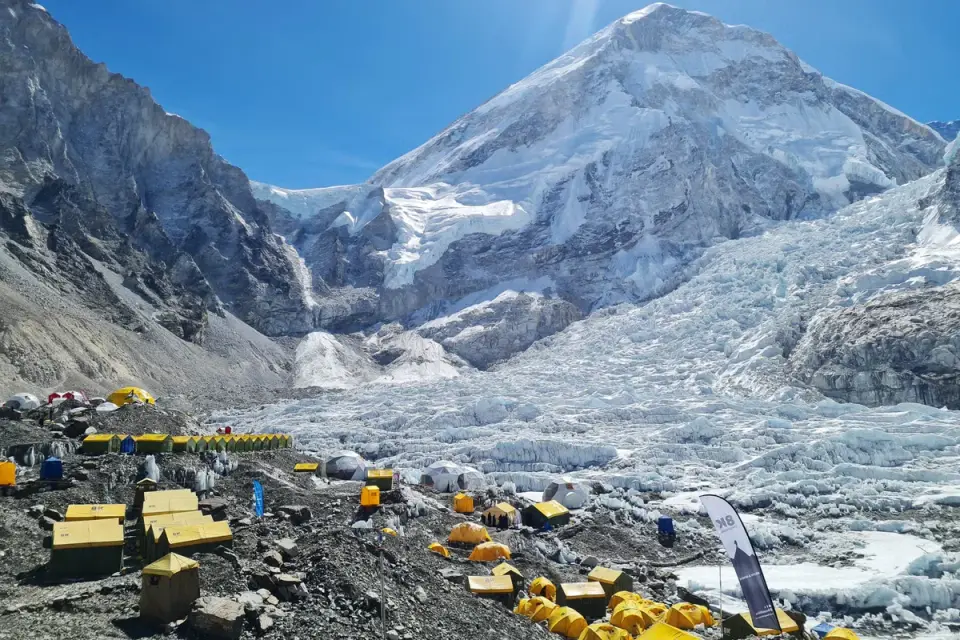
A new study warns that human urine from climbers and guides is contributing to the melting of glaciers near Mount Everest. The collective output of over 6,000 liters of urine daily adds heat and nutrients to the ice, accelerating local melt rates. This finding highlights a previously overlooked anthropogenic factor in Himalayan glacial retreat, distinct from broader climate change drivers.
Key points
- Climbers and guides at Everest Base Camp produce more than 6,000 liters of urine per day.
- The study identifies this human waste as a factor that accelerates local glacier melting.
- The heat and nutrients from the urine contribute to the degradation of the ice.
- This is a specific local impact, distinct from global warming effects on Himalayan glaciers.
Background
This finding adds to a growing body of evidence about the rapid retreat of glaciers in the Himalayas. Recent reports from ICIMOD indicate that glaciers in the Hindu Kush Himalaya region are melting at double the rate compared to the year 2000, with some losing up to 27 meters of ice since 1975. This accelerated melt threatens water supplies for nearly two billion people downstream. Additionally, the discovery of long-lost climbers on melting Swiss glaciers in 2026 underscored the tangible effects of glacial retreat in other mountain ranges, highlighting the global nature of this environmental crisis.
Why it matters
The study reveals a direct, localized human impact on glacial stability that is separate from atmospheric warming. While climate change is the primary driver of global glacier loss, this finding shows that human activity at the base of the mountain can exacerbate the problem. It underscores the need for comprehensive environmental management in high-altitude tourist and expedition areas, where human presence can have unintended ecological consequences.
What to watch
The study's findings may prompt further research into the specific mechanisms by which human waste affects glacial ice. It could also lead to discussions about improved waste management practices at Everest Base Camp and other high-altitude locations. However, the primary focus will likely remain on addressing the larger, more significant driver of glacial melt: global climate change.
Want the full story? Read the original reporting
Read on The Independent