
Woodland Trust warns commercial foragers are wiping out fungi in protected Devon sites
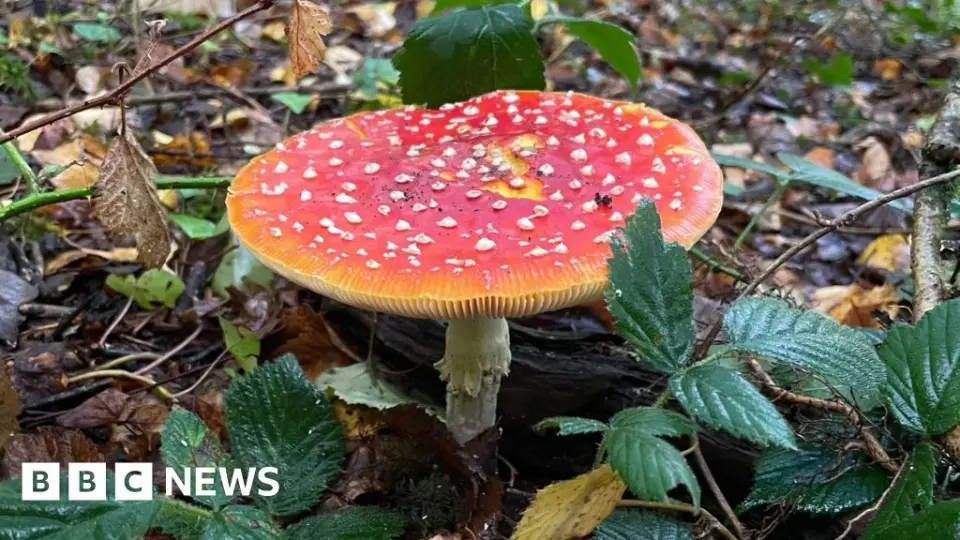
The Woodland Trust has issued a warning regarding the ecological damage caused by over-foraging in protected areas, specifically highlighting the unsustainable harvesting of fungi. Site manager Joe Middleton reported that commercial pickers are stripping path edges and trampling forest floors, which threatens local wildlife that relies on mushrooms for food. While personal foraging is legal under the Theft Act 1968, commercial harvesting without permission is illegal, and foraging is restricted in Sites of Special Scientific Interest. Experts urge foragers to take only a small portion of available resources and to respect the needs of non-human wildlife.
Key points
- The Woodland Trust states that unsustainable harvesting of plants, particularly fungi, is putting wildlife under pressure in protected areas.
- Joe Middleton, a site manager for the Woodland Trust, observed commercial mushroom pickers arriving in minibuses with large bags, wiping out fungi on path edges and trampling the forest floor.
- Under Section 4 of the Theft Act 1968, foraging for wild fruit, foliage, flowers, and fungi is legal for personal use, but becomes criminal theft if done for commercial sale or reward without permission.
- Foraging is heavily restricted or illegal in local Sites of Special Scientific Interest (SSSIs) and protected areas managed by organizations like the Woodland Trust.
- Mushrooms are an essential autumn food source for animals such as deer, badgers, worms, and woodlice; decimating these populations removes a critical food source for wildlife that cannot easily relocate.
- John Dobson, a chef at the Refectory restaurant near Ugborough, noted that rising ingredient costs and a lack of education about environmental impact may be driving increased foraging activity.
Background
This story follows broader trends in environmental conservation and sustainable foraging practices. While previous archive entries covered unrelated topics such as vocal damage from vaping, spinal injuries in racing, measles outbreaks, and health risks from influencer-led stretching methods, the current focus is on the intersection of human activity and wildlife habitats. The emphasis on sustainable foraging aligns with growing public awareness of the impact of human consumption on natural ecosystems, particularly in protected areas where biodiversity is fragile.
Why it matters
The over-foraging of fungi in protected areas poses a direct threat to local wildlife populations that depend on these resources for survival. By removing essential food sources, commercial foragers can disrupt ecological balances, potentially leading to declines in species that cannot adapt or relocate. This issue highlights the need for greater education and regulation to ensure that foraging practices remain sustainable and do not compromise the health of natural habitats. It also underscores the tension between personal enjoyment of nature and the legal and ethical responsibilities to protect it.
What to watch
The Woodland Trust and other conservation organizations may continue to monitor and report on the impact of over-foraging in protected areas. There could be increased calls for stricter enforcement of foraging regulations in SSSIs and other protected sites. Public awareness campaigns may emerge to educate foragers about sustainable practices, such as taking only a small portion of available resources and respecting the needs of wildlife. Additionally, there may be further discussions on balancing the economic pressures driving foraging with the environmental costs, potentially leading to new guidelines or policies to mitigate the impact on natural habitats.
Want the full story? Read the original reporting
Read on BBC