
White House Redirects $52M in European Military Aid to Latin America
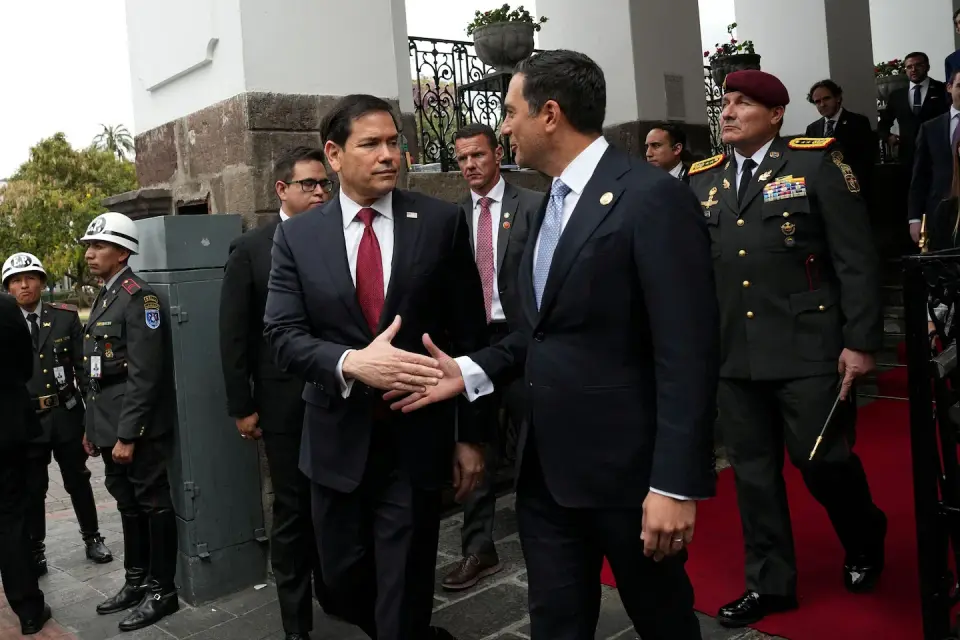
The Trump administration has redirected $52 million in military assistance originally designated for European and Middle Eastern nations to conservative-leaning governments in Latin America. This move defies congressional holds and statutory requirements, prioritizing Western Hemisphere security over support for countries affected by the war in Ukraine.
Key points
- The administration diverted $52 million in military aid from Europe and the Middle East to Panama, Peru, Ecuador, and Colombia.
- The funds were originally approved by Congress for countries impacted by the war in Ukraine.
- The reallocation defies objections from Senate and House foreign affairs committee leaders.
- The State Department justified the shift by citing President Trump's focus on Western Hemisphere priorities.
Background
This reallocation follows a broader pattern of U.S. foreign policy shifts under the current administration, including previous warnings from Democrats about the potential diversion of $2.5 billion in Hill-approved aid. It also aligns with recent diplomatic efforts, such as Secretary of State Marco Rubio’s tour of Latin America, which aimed to strengthen security ties with the region despite local concerns about sovereignty and dependence on Washington.
Why it matters
The diversion of funds undermines U.S. commitments to European allies and statutory aid requirements, potentially weakening support for countries affected by the Ukraine war. It also signals a strategic pivot toward Latin America, which may reshape regional security dynamics and U.S. influence in the Western Hemisphere.
What to watch
Congress may seek to enforce statutory requirements for the use of foreign aid, potentially leading to further legislative or judicial challenges. The administration may continue to prioritize Western Hemisphere security, potentially affecting future aid allocations and diplomatic relations with both European and Latin American partners.
Want the full story? Read the original reporting
Read on The Washington Post