
Hormuz shipping collapses as US-Iran ceasefire lapses and attacks intensify
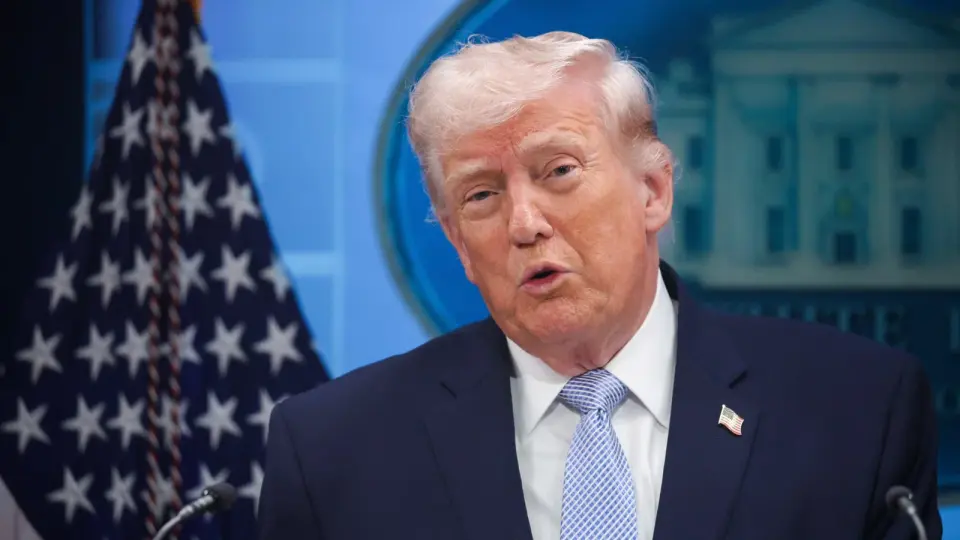
The 60-day US-Iran ceasefire expired without a follow-on agreement, triggering a sharp rise in maritime violence in the Strait of Hormuz. A cargo vessel was struck by a projectile, causing engine damage and a crew casualty, while Iran’s military spokesperson threatened further attacks on shipping. President Trump ruled out extending the ceasefire, stating Tehran refuses his terms for peace. Consequently, commercial traffic through the strait has plummeted to near-zero levels, with analysts predicting a prolonged standoff and only partial recovery in oil flows by year-end.
Key points
- A cargo vessel transiting the Strait of Hormuz was hit by a projectile, damaging its engine room and causing one crew casualty, according to the UK Maritime Trade Operations agency.
- Iranian military spokesperson Ebrahim Zolfaghari warned that vessels attempting to pass through the strait will 'find several beautiful holes in their hulls,' signaling continued threats to navigation.
- The 60-day negotiating ceasefire, reached in mid-June, expired on Monday without a formal extension or new agreement, leading to a hardened stance from both Washington and Tehran.
- President Trump stated that Iran will not accept the terms necessary to end the war, ruling out any near-term extension of the ceasefire or renewed diplomatic talks.
- Commercial vessel traffic through the Strait of Hormuz has dropped drastically, with only three vessels transiting on Sunday, compared to an average of 110 daily before the conflict began in February 2026.
- Oil prices rose in response to the lapsed ceasefire, with Brent crude trading above $90 per barrel and US crude futures ticking up to $84.70 per barrel.
Background
The current standoff follows a six-month US-Iran conflict that began in February 2026, resulting in significant civilian and military casualties and an estimated $37.5 billion in costs. Previous attempts at resolution, including a vague memorandum reopening the strait, failed to address core issues like Iran’s nuclear program. Recent weeks saw heightened rhetoric, including Trump’s suggestion that the Strait of Hormuz could become US territory, and Iran’s insistence on maintaining control until US demands are met. The lapsed ceasefire marks a critical failure in diplomatic efforts that had previously paused active hostilities.
How outlets are covering it
CNBC emphasizes the immediate security risks and the hardening of positions, noting that both sides are 'digging in' for a longer standoff. CNN highlights the broader regional instability, including unverified missile threats against the UAE and diplomatic spats with France, while noting that indirect talks via Pakistan may still be ongoing. The Hill focuses on the economic and legal dimensions, citing UAE accusations of repeated attacks on its tankers and violations of UN Security Council resolutions. While all sources agree on the collapse of the ceasefire, they differ on the likelihood of immediate resolution: CNBC and The Hill view the situation as a prolonged stalemate, whereas CNN notes potential back-channel communications, though these are denied by Iran.
Why it matters
The Strait of Hormuz handles approximately 20% of the world’s crude oil and gas supply. Its closure or restricted access directly impacts global energy prices and supply chains. The lapsed ceasefire removes the primary mechanism for de-escalation, increasing the risk of further military incidents that could disrupt global trade. The prolonged standoff also affects regional stability, with spillover effects into neighboring countries like the UAE and Oman, and complicates diplomatic efforts to manage the conflict without a formal peace framework.
What to watch
Analysts expect a continued low level of shipping traffic through the Strait of Hormuz, with only partial recovery possible by year-end. Oil prices may remain volatile, potentially spiking if further attacks occur. Diplomatic efforts may continue through indirect channels, such as Oman or Pakistan, but without a formal ceasefire, the risk of renewed hostilities remains high. The US and Iran are likely to maintain their current postures, with Washington enforcing its naval blockade and Iran restricting access to the strait until its demands are met.
- Ship attacked in Hormuz Strait as U.S.-Iran ceasefire expiry risks prolonged conflict cnbc.com
- Live updates: Trump threatens to bomb Oman, fresh strike reported on vessel CNN
- UAE says Iran attacked ADNOC vessel in Hormuz, urges waterway's reopening Reuters
- Hormuz Ship Attacks Mount as US Vows to Cripple Iran’s Economy Bloomberg.com
- Iran attacks third UAE tanker within a week The Hill
Want the full story? Read the original reporting
Read on cnbc.com