
Abu Dhabi Talks Resume as Europe Defies Kremlin to Join Security Negotiations
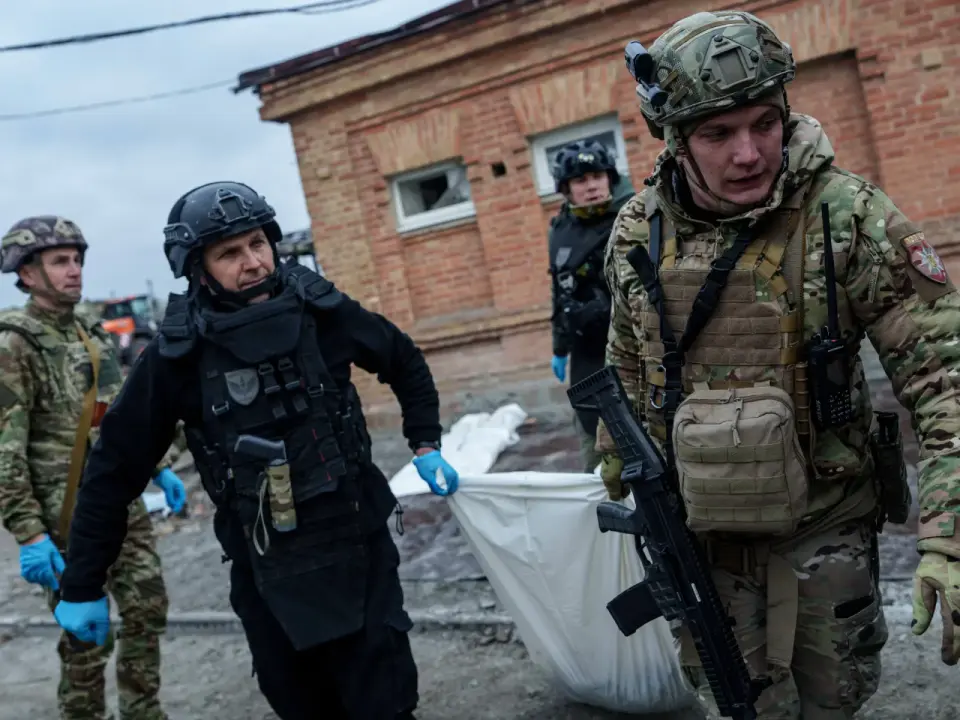
US, Russian, and Ukrainian negotiators resume peace talks in Abu Dhabi on November 10-11, focusing on security guarantees after a nine-month pause. European officials plan to attend despite Russian objections, while analysts doubt significant progress due to deep divides over territory and military restrictions. The talks follow recent escalations in Russian strikes on Ukrainian energy infrastructure and a localized ceasefire in southern Ukraine.
Key points
- The fourth round of US-mediated talks begins Tuesday in Abu Dhabi, led by US envoys Steve Witkoff and Jared Kushner, Ukrainian intelligence chief Rustem Umerov, and Russian aide Vladimir Medinsky.
- The primary agenda is security guarantees to prevent future conflict, moving beyond the previous stalemate over territorial concessions that halted talks in February.
- European nations, including France, Germany, and the UK, plan to attend as observers or participants, defying the Kremlin’s insistence that the talks remain strictly trilateral.
- Russia demands Ukraine cede territory, abandon NATO membership, and limit its military, while Ukraine insists on immediate ceasefire and robust Western security commitments.
- Analysts predict no breakthrough, citing Putin’s refusal to compromise and the ongoing escalation of Russian missile and drone strikes on Ukrainian power grids.
Background
These talks follow a nine-month pause since February, interrupted by the US-Israeli war with Iran. Previous rounds in 2022 and 2025 failed to resolve core issues, though recent localized ceasefires, such as in Oleshky, have allowed limited humanitarian aid. The current diplomatic effort occurs amid intensified Russian attacks on Ukrainian energy infrastructure, which have left hundreds of thousands without electricity, and recent US purchases of Russian diesel that critics argue fund the war effort.
How outlets are covering it
Al Jazeera and AP News emphasize the fundamental divergence between Russian demands for territorial and military concessions and Ukrainian insistence on security guarantees, with analysts like Matthew Boyse noting Putin’s 'my way or the highway' approach. The New York Times highlights the shift in focus to broader European security frameworks, suggesting the US aims to break the stalemate by expanding the scope of negotiations. NPR and Al Jazeera note the tension over European participation, with the Kremlin rejecting their involvement while European leaders insist on being heard to protect their security interests. All sources agree that while technical issues like prisoner exchanges or grain supplies may be discussed, a comprehensive peace deal is unlikely due to the lack of trust and ongoing military escalation.
Why it matters
The outcome of these talks could determine the trajectory of the war and the future of European security architecture. A failure to reach a ceasefire or security framework may lead to further escalation, while a breakthrough could reshape alliances and influence the stability of post-Soviet states. The involvement of European nations also signals a potential shift in the balance of power in US-Russia-Ukraine negotiations, challenging the US-led trilateral format.
What to watch
Negotiators will focus on defining security guarantees, including potential troop deployments and crisis communication mechanisms. The US may push for a broader European security deal, while Russia is expected to maintain its hardline stance on territory and NATO. The talks may also address humanitarian issues and prisoner exchanges, but a comprehensive peace agreement is unlikely. Future rounds of talks may be scheduled if progress is made, but the ongoing military conflict and political shifts in the US and Europe will influence the pace and scope of negotiations.
- ‘No concession’: What to expect from Russia-US-Ukraine talks in Abu Dhabi Al Jazeera
- Ukraine Peace Talks Resume This Week in Abu Dhabi The New York Times
- US-led peace talks for Russia and Ukraine will look at security guarantees for both sides AP News
- Europe to join U.S.-brokered Ukraine talks in Abu Dhabi, defying Kremlin objections NPR
- Ukraine war briefing: post war ‘security guarantees’ a key focus in upcoming Abu Dhabi talks, says Rubio The Guardian
Want the full story? Read the original reporting
Read on Al Jazeera