
Abu Dhabi talks stall on territory as US pushes for European inclusion
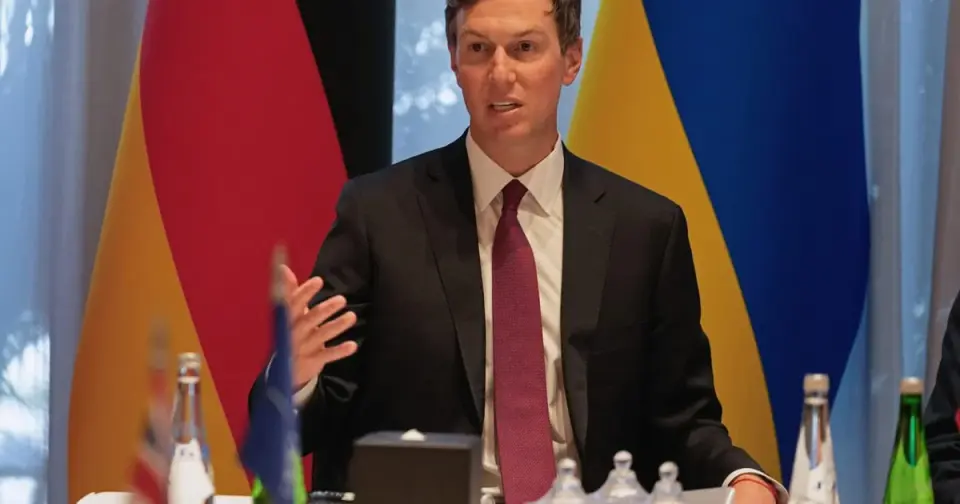
The first direct peace talks between Russia and Ukraine in nine months concluded in Abu Dhabi without a breakthrough, though a major prisoner exchange was agreed upon. US envoys Jared Kushner and Steve Witkoff are now traveling to Moscow to secure Vladimir Putin’s approval for European participation in future negotiations, a move Moscow has previously resisted. While the US seeks to link post-war security frameworks to the peace process, European leaders remain wary, insisting that any security reforms must follow a ceasefire rather than precede it.
Key points
- Kushner and Witkoff will meet Putin in Moscow on Thursday to finalize a prisoner swap and push for European inclusion in talks.
- The US aims to integrate European security concerns into the negotiations, viewing it as essential for a lasting settlement.
- Territorial disputes, particularly regarding Donetsk, remain the primary obstacle, with no agreement reached on the front line.
- European officials attended the talks but were excluded from direct Russian-Ukrainian discussions, a point of contention for Kyiv and Brussels.
- The US has shifted its stance from demanding Ukraine’s leadership change to praising the Ukrainian negotiating team’s efforts.
Background
These talks follow months of stalled diplomacy and recent US concessions to Moscow, including a diesel deal that angered Kyiv. Previous archive coverage highlights European resistance to US-led security overhauls that might grant Russia leverage over NATO deployments. The current negotiations are part of a broader US effort to reshape European security architecture, a move that has caused friction with European allies who view the current order as violated solely by Russia.
How outlets are covering it
Politico emphasizes the US shift in attitude, noting that Washington now views European inclusion as 'the only way to get this done,' a change from Trump’s earlier hostility toward Zelensky. CNN highlights the lack of breakthrough and the strict directives given to Russian negotiators, suggesting Moscow remains resistant to a multilateral format. The New York Times focuses on the US urgency to broaden the talks, framing the Moscow trip as a critical step to overcome Russian objections. BBC notes the tension between the US desire for a new security framework and the European insistence that a ceasefire must precede any such discussions, highlighting a potential transatlantic rift.
Why it matters
The outcome of these talks could determine the future security architecture of Europe and the terms of any peace deal. If the US succeeds in bringing Europe to the table, it may alter the balance of power in negotiations. However, if Moscow continues to exclude Europe, it could deepen divisions between Washington and Brussels, potentially undermining the long-term stability of the post-war order.
What to watch
Kushner and Witkoff will meet Putin in Moscow on Thursday to finalize the prisoner exchange and seek approval for European participation. They will then travel to Dublin to meet Zelensky. The next round of negotiations is expected to focus on territorial disputes and security guarantees, with the US aiming to link these issues to a broader European security framework.
- ‘The only way to get this done’: Why the US wants Europe at Ukraine talks next time POLITICO.eu
- Russia, Ukraine reach deal on prisoner swap as US says lack of trust holds back talks Reuters
- Trump envoys to meet Putin in Moscow after latest Ukraine talks end with no breakthrough CNN
- Russia-Ukraine talks turn to post-war security but end without breakthrough BBC
- Seeking to Broaden Ukraine Talks, U.S. Urges Russia to Include Europe The New York Times
Want the full story? Read the original reporting
Read on POLITICO.eu