
Abu Dhabi Talks Yield Prisoner Swap but Stall on Security and Territory
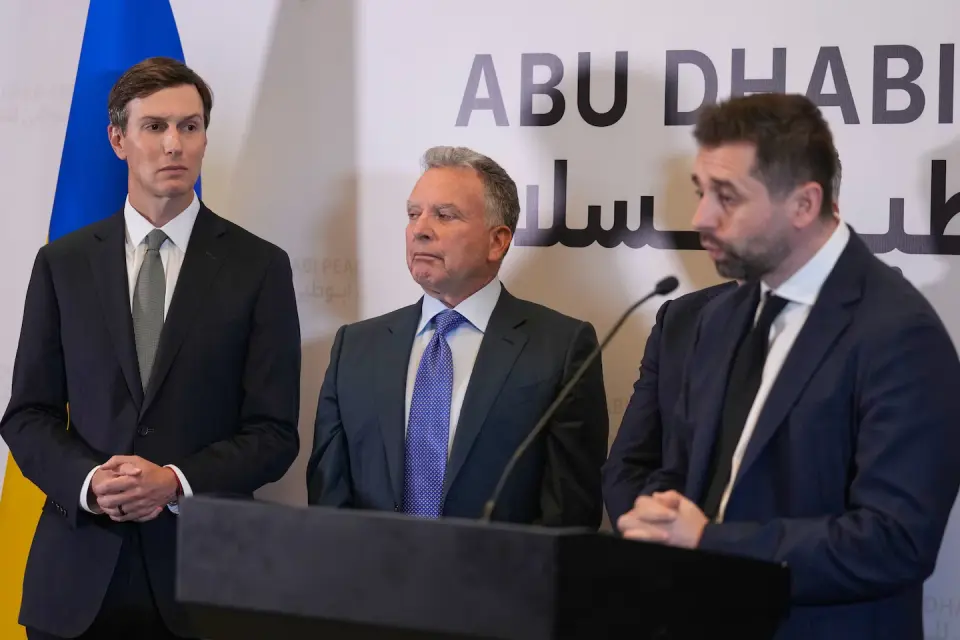
US-mediated peace talks in Abu Dhabi concluded with an agreement for a large-scale prisoner exchange but failed to resolve core disputes over post-war security and territorial concessions. US envoys Jared Kushner and Steve Witkoff will next meet Vladimir Putin in Moscow and Volodymyr Zelensky in Dublin to push for European inclusion and further progress.
Key points
- Russia and Ukraine agreed to a major prisoner exchange, with Zelensky citing potential numbers of 1,000 to 1,500 per side, though final figures are pending.
- Negotiations stalled on the 'security architecture' of Europe, with Ukraine seeking guarantees against future attacks and Russia demanding limits on NATO influence.
- US envoys Kushner and Witkoff will travel to Moscow and Dublin to discuss next steps, including bringing European nations into the negotiation format.
- The Donetsk region remains the hardest obstacle, with Moscow demanding Ukrainian withdrawal from occupied areas while Kyiv seeks to freeze the contact line.
- European officials attended separate consultations but were excluded from direct trilateral talks, a move Moscow criticized as lacking concrete proposals.
Background
These talks mark the first direct negotiations between Russia and Ukraine since February 2026, following a nine-month pause. Previous rounds in Geneva and Istanbul also resulted in prisoner exchanges but failed to achieve a ceasefire or broader settlement. The current conflict, now nearly five years old, has seen shifting US diplomatic strategies, including recent concessions to Moscow that have raised concerns in European capitals.
How outlets are covering it
While all sources confirm the prisoner swap agreement, they differ on the tone of the negotiations. CNN and BBC emphasize the lack of breakthrough and the 'strict directives' from Moscow, with Ukrainian negotiator Davyd Arakhamia calling it one of the toughest rounds. Euronews highlights the US perspective that 'openings' exist, with Kushner expressing optimism about a future Putin-Zelensky meeting. On the issue of European involvement, the US and Ukraine advocate for a multilateral format, while Russia, via Vladimir Medinsky, dismissed European presence as unproductive and lacking concrete initiatives. BBC notes that while the US sees European inclusion as essential for security, Moscow remains skeptical, creating a significant diplomatic rift.
Why it matters
The outcome underscores the fragility of the current peace process. While humanitarian progress is being made, the inability to agree on security guarantees or territorial boundaries suggests that a comprehensive end to the war remains distant. The US push to include Europe in future talks could reshape the diplomatic landscape, potentially altering the balance of power in post-war negotiations and affecting NATO’s strategic posture in Eastern Europe.
What to watch
US envoys Kushner and Witkoff will meet Vladimir Putin in Moscow and Volodymyr Zelensky in Dublin on Thursday to finalize the prisoner exchange numbers and discuss the inclusion of European partners. A direct meeting between the two leaders is not yet scheduled, as both sides require more progress on core issues. The next round of negotiations is expected to focus on the 'security architecture' of Europe and the contentious issue of the Donetsk region.
- Russia and Ukraine agree to prisoner swap, but little else, in U.S.-mediated talks The Washington Post
- Trump envoys to meet Putin in Moscow after latest Ukraine talks end with no breakthrough CNN
- Russia-Ukraine talks turn to post-war security but end without breakthrough BBC
- Abu Dhabi peace talks end with prisoner exchange agreement as US envoys prepare to meet Putin Euronews.com
- Ukraine talks in Abu Dhabi bring progress on prisoners but not on peace The Guardian
Want the full story? Read the original reporting
Read on The Washington Post