
Algeria Breaks 50-Year Nonintervention Taboo with Troop Deployment to Niger
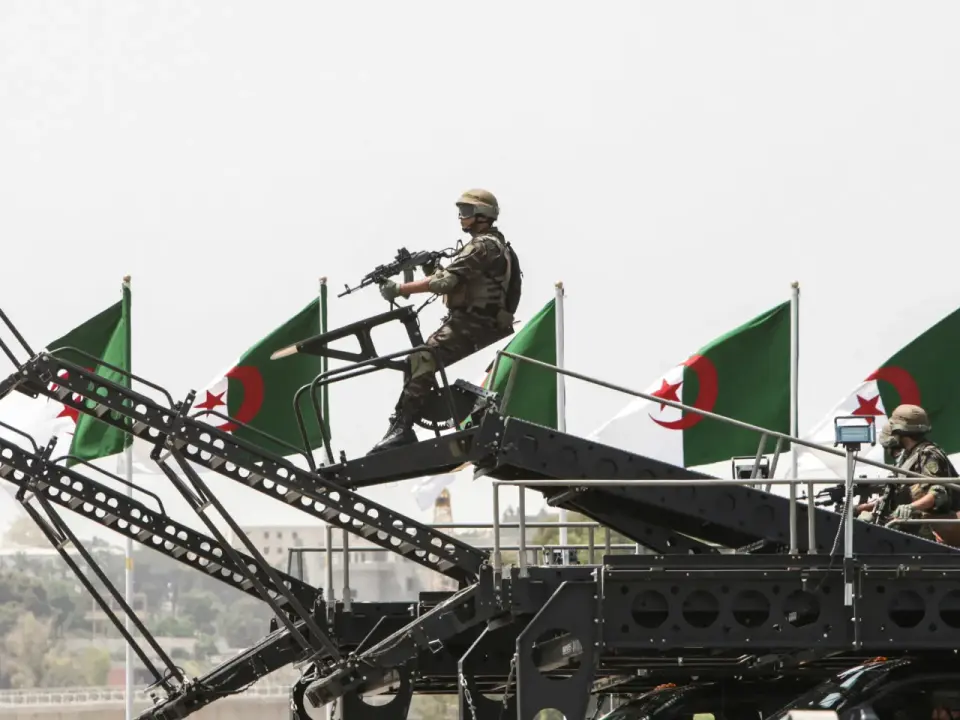
Algerian parliament approved the first overseas military deployment since 1973, sending troops to Niger to protect energy assets and stabilize the Sahel. The move marks a significant shift in Algiers' noninterventionist doctrine, driven by security concerns and the strategic importance of the Trans-Saharan Gas Pipeline.
Key points
- Algeria's lower and upper houses of parliament ratified a proposal to deploy troops to Niger on Sunday, with the upper house voting 148 to 26 in favor.
- This is the first time Algerian forces have been deployed abroad since 1973, when they supported Egypt in the Arab-Israeli war.
- The deployment is intended to protect Sonatrach oil facilities and the Trans-Saharan Gas Pipeline, which would transport Nigerian gas to Europe via Algeria.
- The move follows a diplomatic thaw between Algiers and Niamey, including a visit by Niger's defense minister and previous military aid after a mutiny in August 2026.
- Algeria's decision reflects a shift in its foreign policy, moving from strict nonintervention to active security engagement in the Sahel region.
Background
Algeria has historically maintained a noninterventionist military doctrine, rarely deploying forces abroad. The 2020 constitutional revision allowed for overseas deployments under specific conditions, but this is the first time such a provision has been used. The Sahel region has faced instability since the 2011 collapse of Libya, leading to multiple coups and security challenges in Mali, Burkina Faso, and Niger. Algeria's move is part of a broader regional realignment, as Western powers like France and the US have withdrawn military presence, while Russia has expanded its influence.
How outlets are covering it
Al Jazeera and AP News emphasize the symbolic significance of the deployment as a break from Algeria's long-standing noninterventionist policy. Africa Defense Forum highlights the strategic implications, noting that Algeria is projecting power to secure its economic interests and stabilize the Sahel. BBC focuses on the practical aspects, such as the protection of energy facilities and the rebuilding of ties with Niger. All sources agree that the deployment is driven by security concerns and the importance of the Trans-Saharan Gas Pipeline, but they differ in their emphasis on the political and strategic dimensions of the move.
Why it matters
Algeria's decision to deploy troops to Niger signals a shift in its foreign policy, moving from nonintervention to active security engagement. This move could have implications for regional stability in the Sahel, as Algeria seeks to protect its economic interests and counter the influence of other powers. The deployment also reflects the changing security landscape in the region, where Western forces have withdrawn and Russia has expanded its presence. For Algeria, the move is a pragmatic response to evolving circumstances, as it seeks to safeguard its strategic interests in a volatile region.
What to watch
The next steps will likely involve the actual deployment of troops to Niger, with details on the number of soldiers and their specific roles to be announced. Algeria may also deepen its security cooperation with Niger and other Sahel states, potentially expanding its military presence in the region. The move could also influence the dynamics of the Trans-Saharan Gas Pipeline project, as security in Niger is crucial for its completion. Additionally, Algeria's decision may prompt other countries to reassess their security strategies in the Sahel, as the region continues to face instability and shifting alliances.
- Algeria’s military deployment to Niger: What’s behind the move? Al Jazeera
- Algeria to send troops to Niger in first foreign deployment in over 50 years AP News
- Algeria Votes to Send Troops to Protect Niger’s Oil Facilities Bloomberg.com
- Algeria Deploys Military to Bolster Sahel Security Africa Defense Forum
- Algeria to send troops to Niger in first foreign deployment since 1973 BBC
Want the full story? Read the original reporting
Read on Al Jazeera