
Allies fear Shenzhen summit signals US pivot away from transatlantic security
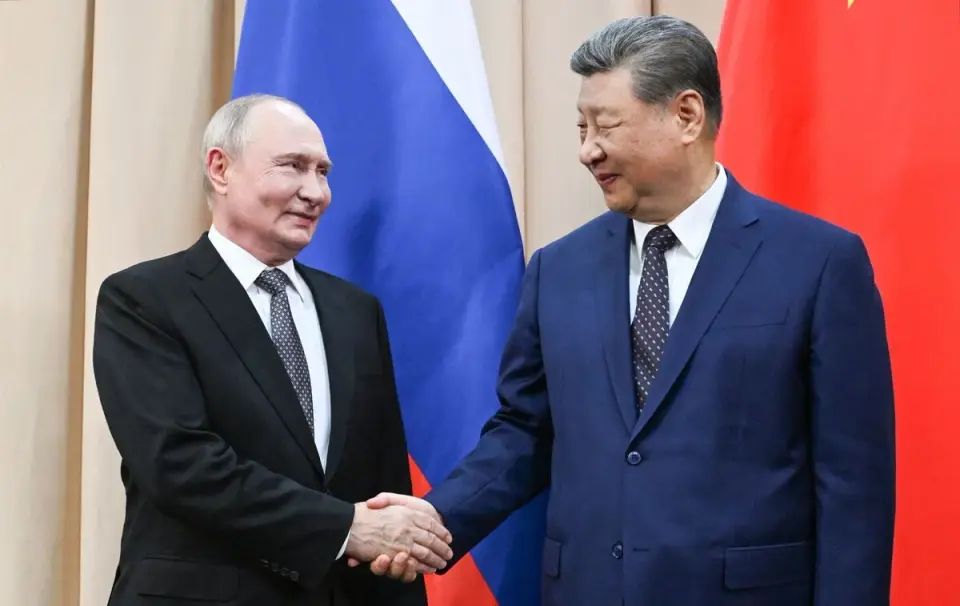
US President Donald Trump is set to meet Chinese President Xi Jinping and Russian President Vladimir Putin in Shenzhen this week, a gathering that has alarmed Western allies. While the White House frames the trilateral as a starting point for nuclear disarmament talks, critics and European leaders fear it mirrors the 1945 Yalta conference, potentially sidelining Ukraine and Europe in favor of great-power coordination. The summit occurs as Trump seeks to reassert authority after midterm election losses, with low expectations for substantive breakthroughs but high concerns over diplomatic optics.
Key points
- The summit in Shenzhen is scheduled for Thursday, coinciding with the APEC meeting, and is the first-ever trilateral gathering of the US, Chinese, and Russian leaders.
- Trump’s primary stated goal is to initiate discussions on nuclear disarmament, though officials acknowledge expectations for a major breakthrough are low.
- Western allies, including Germany and Japan, have expressed anxiety that the meeting could undermine their interests regarding Ukraine and Taiwan, with some invoking the term 'Yalta II.'
- The White House insists Ukraine will not be on the agenda, but Trump publicly mentioned discussing the conflict, creating confusion for European partners.
- The trip follows significant political setbacks for Trump, including midterm losses and a scandal involving former Nvidia CEO Jensen Huang, prompting a strategic effort to reassert presidential authority abroad.
Background
This summit follows months of diplomatic maneuvering, including earlier discussions about a US-Russia-China trilateral to resolve the Ukraine war that excluded European nations. Previous coverage highlighted concerns that such a 'Kissinger-in-reverse' strategy could fracture NATO and cede European influence to Beijing. The current meeting occurs amidst ongoing tensions over high-powered AI chip restrictions and trade tariffs, with Trump’s administration previously attempting to coordinate with Moscow and Beijing on global security issues.
How outlets are covering it
Bloomberg emphasizes the historical parallel to the 1945 Yalta conference, highlighting the dual interpretation of the meeting as either a stabilizing force or a conspiracy to carve up global influence. CNN focuses on the domestic political context, framing the trip as a traditional presidential tactic to escape political gloom and reassert authority after midterm losses, while noting the overshadowing Nvidia scandal. Axios highlights the anxiety among US allies, particularly in Europe and Japan, who fear the optics of Trump appearing alongside authoritarian leaders and worry about potential off-script comments regarding Ukraine or Taiwan that could undermine Western interests. While all sources agree on the low expectations for substantive outcomes, they differ in emphasis: Bloomberg on historical symbolism, CNN on domestic political strategy, and Axios on the diplomatic fallout among allies.
Why it matters
The summit represents a potential shift in US foreign policy toward great-power coordination, potentially at the expense of transatlantic alliances and regional security in Asia. If the meeting projects an image of US alignment with China and Russia, it could undermine Western unity and embolden adversaries. Conversely, if it fails to produce results, it may highlight the limits of Trump’s diplomatic leverage. The outcome will influence future negotiations on nuclear arms, trade, and regional security, with significant implications for global power dynamics.
What to watch
Envoys Jared Kushner and Steve Witkoff are expected to meet with European and Ukrainian officials in Berlin on the same day as the summit to coordinate ahead of next week’s negotiations with Russia in Abu Dhabi. The outcome of the Shenzhen meeting will likely influence the tone of these subsequent talks, with European leaders pressing for no surprises and clarity on US positions regarding Ukraine and Europe-Russia security. The White House will likely monitor public and diplomatic reactions to manage the narrative, while Trump may use the trip to announce new commercial deals, such as the planned agreement with Thailand, to counter domestic political challenges.
- Xi-Trump-Putin Has World Worried About Great Power Stitch-Up Bloomberg.com
- Chip tensions loom over Trump-Xi summit, as US and China push AI safety steps Reuters
- Opinion | Trump’s Ego Trip With Xi and Putin Will End Badly The New York Times
- How Trump is hoping to use an Asia trip to reassert his authority CNN
- U.S. allies on edge as Trump heads to summit with Xi and Putin Axios
Want the full story? Read the original reporting
Read on Bloomberg.com