
Black Sea Conflict Chokes Grain Exports, Sparking EU Fears of Global Food Crisis
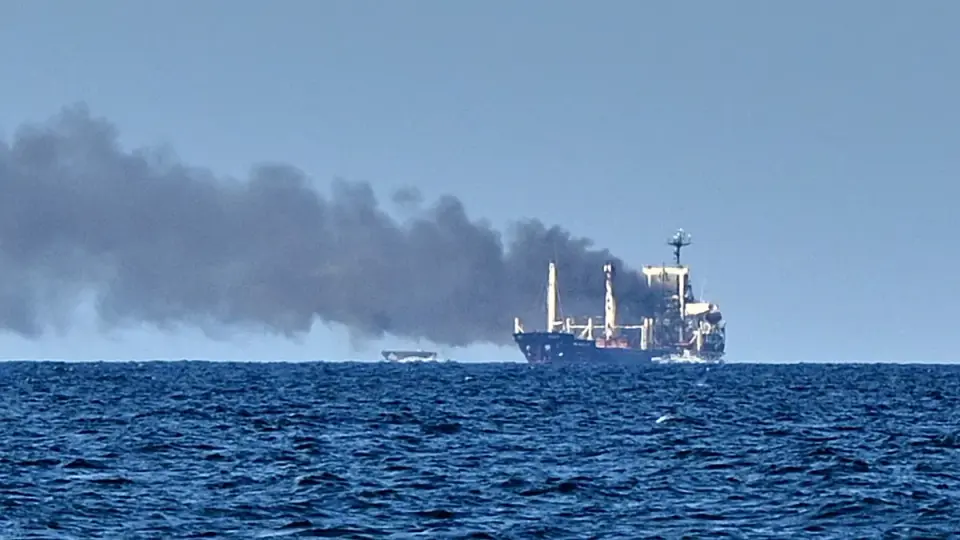
Escalating attacks on Black Sea shipping have severely disrupted grain exports from both Ukraine and Russia, threatening global food security. Ukraine’s monthly exports have dropped to 4.5 million tonnes via alternative routes, down from 6 million tonnes by sea, while Russian wheat loadings fell by 60% in the five weeks to late August. EU officials warn that this blockade could trigger a food crisis in Africa and the Middle East, potentially driving migration toward Europe. Ukraine faces a €23 billion funding gap as state revenues collapse, and farmers struggle with insufficient storage and rising transport costs. Although alternative 'solidarity lanes' via the Danube and rail exist, they lack tariff-free status and are hindered by drought and logistical constraints. The situation has prompted urgent calls for a ceasefire and coordinated EU action to prevent a humanitarian and economic disaster.
Key points
- Ukraine’s Black Sea exports have fallen to 4.5 million tonnes monthly via alternative routes, down from 6 million tonnes by sea, due to Russian strikes on ports and vessels.
- Russian wheat loadings from deep-sea Black Sea terminals dropped by approximately 60% in the five weeks ending August 28, 2026, compared to the same period in 2025.
- EU High Representative Kaja Kallas warned that Russian strikes on grain ships could cause another worldwide food security shock, particularly in Africa and the Middle East.
- Ukraine faces a €23 billion funding gap as public revenues diminish, prompting requests to accelerate a €90 billion EU support loan originally earmarked for 2027.
- Alternative 'solidarity lanes' via the Danube and rail are hindered by a lack of tariff-free status, a severe summer drought in Romania, and higher transport costs.
- Russian exporters are redirecting grain to Baltic terminals, but these have limited capacity (around 7 million tonnes annually) and cannot fully replace Black Sea volumes.
Background
This escalation follows a series of earlier disruptions in 2026. In August, Ukraine’s grain exports had already fallen by roughly 75% year-on-year, with storage capacity strained up to 11 million tonnes. Previous reports indicated that Ukraine’s total exports could drop from 60 million tonnes to 38–40 million tonnes if the blockade persisted. Concurrently, Russia faced its own fuel shortages and logistical challenges, highlighting the broader economic strain on both nations. The current crisis marks a significant intensification of these trends, with both sides actively attacking each other’s maritime infrastructure during the peak harvest season.
How outlets are covering it
Euronews emphasizes the geopolitical and humanitarian risks, highlighting EU fears that Russia is weaponizing food supply chains to trigger a migration wave and undermine support for Ukraine. The New York Times focuses on the immediate economic ruin for Ukrainian farmers, citing interviews with individuals in Mykolaiv who face bankruptcy due to storage shortages and rising costs. Hellenic Shipping News provides a technical analysis of the shipping market, noting that Russian wheat loadings fell by 60% and that exporters are shifting to Baltic routes, though these cannot fully compensate for the loss of Black Sea capacity. While Euronews and the New York Times stress the human and economic toll on Ukraine, Hellenic Shipping News highlights the logistical adjustments and market shifts affecting Russian exports and global freight rates. All sources agree on the severity of the disruption but differ in their focus: Euronews on political consequences, the New York Times on local agricultural impact, and Hellenic Shipping News on trade logistics and market data.
Why it matters
The Black Sea blockade threatens to destabilize global food prices, particularly in vulnerable regions like Africa and the Middle East, where bread prices are closely monitored. A potential food crisis could fuel popular discontent and increase migration flows toward Europe, exacerbating existing political tensions. For Ukraine, the loss of export revenue creates a critical funding gap, jeopardizing its ability to sustain the war effort and support its population. For Europe, the crisis tests the resilience of its support mechanisms for Ukraine and its ability to manage secondary effects such as inflation and migration. The situation also highlights the fragility of global supply chains and the strategic leverage that control over key trade routes provides in modern conflicts.
What to watch
EU foreign ministers are expected to push for a coordinated solution and immediate ceasefire in the Black Sea, as urged by Belgian and Ukrainian officials. Ukraine may seek to accelerate the disbursement of its €90 billion EU support loan to address the €23 billion funding gap. Romania and Ukraine are likely to continue discussions on improving logistics through solidarity lanes, despite drought and tariff challenges. Russian exporters may continue to shift grain to Baltic terminals, though capacity constraints will limit the effectiveness of this strategy. Global food prices may rise further if the blockade persists, potentially triggering inflationary pressures in developing countries. The outcome of these negotiations and the ability to secure alternative trade routes will determine the severity of the impending food and migration crises.
- New Black Sea blockade fuels fears of food crisis and migration wave Euronews.com
- Attacks in Black Sea Threaten to Strangle Global Grain Supply The New York Times
- EXCLUSIVE: Asian buyers turn to Australian, Argentine wheat amid Black Sea disruptions Reuters
- What the Surge in Black Sea Attacks Means for Food Prices Bloomberg.com
- Black Sea Disruption Redirects Russian Wheat Towards the Baltic Hellenic Shipping News
Want the full story? Read the original reporting
Read on Euronews.com