
Beijing Steps In as Riyadh Seeks Chinese Mediation After US Refuses Houthi Strikes
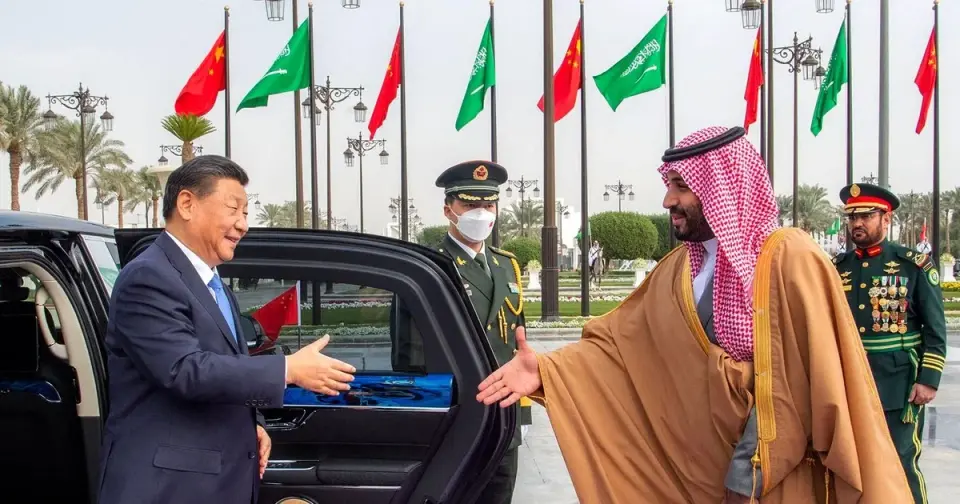
China has privately urged Iran to restrain the Houthis after Saudi Arabia turned to Beijing for help following US President Donald Trump’s refusal to launch direct military strikes. This diplomatic pivot highlights a widening security gap in the Gulf, where Riyadh is seeking alternative channels to protect the Bab el-Mandeb Strait, a critical shipping chokepoint threatened by Houthi advances. While the US offers intelligence support and separate talks, Beijing’s intervention aims to prevent regional escalation that could disrupt global trade and its own economic interests, particularly its oil ties with Iran.
Key points
- China privately asked Tehran to use its influence to rein in the Houthis, according to Reuters.
- Saudi Arabia appealed to Beijing after Trump declined a request for direct US military action against the Houthis.
- The Houthis captured the strategic port of Mokha and advanced toward Perim Island, threatening the Bab el-Mandeb Strait.
- The US offered intelligence and targeting assistance but refused direct intervention, opting for separate diplomatic talks with the Houthis.
- China’s foreign ministry called for an end to actions complicating the situation, emphasizing dialogue and negotiation.
- Commercial traffic through both the Strait of Hormuz and Bab el-Mandeb has fallen, straining global energy and shipping markets.
Background
This development follows a series of Houthi advances in September 2026, including the seizure of the Red Sea port of Mokha and Perim Island, which threatened Saudi oil exports via the Yanbu port. Previous coverage noted that Saudi Arabia had pressured the US for direct action, while Washington opted for intelligence support and Omani-brokered talks. The current crisis unfolds alongside disruptions in the Strait of Hormuz, compounding global energy market pressures and highlighting the fragility of the US-led Gulf security architecture.
How outlets are covering it
Business Insider Africa emphasizes China’s diplomatic intervention as a direct response to Saudi Arabia’s appeal, framing it as a lifeline after US refusal. It highlights China’s economic exposure to the region, noting its status as Iran’s largest trading partner and its role in brokering Saudi-Iran relations in 2023. Al-Monitor, however, frames the situation as a strategic opportunity for China to exploit a US security gap, arguing that Beijing can leverage its contacts to protect maritime interests while avoiding the military burden of US-style security guarantees. Al-Monitor also notes a strategic contradiction in the US approach, which decouples Hormuz and Bab el-Mandeb crises despite their interconnected impact on Iran. Both sources agree that the Houthi advance threatens critical shipping lanes, but they differ on the implications for US-Saudi relations and China’s long-term regional role.
Why it matters
The shift from US to Chinese mediation signals a potential realignment in Gulf security dynamics, as Saudi Arabia seeks alternatives to Washington’s reluctance to engage militarily. The stability of the Bab el-Mandeb Strait is critical for global trade, with disruptions affecting African ports and energy markets. China’s involvement could reshape regional power balances, potentially weakening US influence while introducing new diplomatic channels that may not fully address the underlying Iran-US tensions. The outcome will influence global energy prices, shipping routes, and the broader geopolitical landscape in the Middle East and Africa.
What to watch
The effectiveness of China’s diplomatic pressure on Iran and the Houthis remains uncertain, as Tehran has linked stability to an end to US and Israeli actions against Iran. The US continues separate talks with the Houthis, potentially creating parallel diplomatic tracks. Saudi Arabia may further diversify its security partnerships, including with Pakistan and Türkiye, while monitoring China’s ability to deliver tangible results. Global markets will watch for any further disruption in the Bab el-Mandeb or Strait of Hormuz, which could exacerbate energy price volatility and shipping costs.
- China emerges as Saudi Arabia’s latest lifeline after Trump declines request to fight Houthis threatening vital Red Sea chokepoint Business Insider Africa
- EXCLUSIVE: China presses Iran to help rein in Houthis after Saudi appeal, sources say reuters.com
- Trump and Xi Are Stuck in an Iranian Finger Trap Newsweek
- In Yemen, China exploits US security gap while seeking to curb Houthis al-monitor.com
- Saudis play telephone to stop the Houthis, South Africans protest against data centers, Australia hopes rugby can stop China in the Pacific Yahoo
Want the full story? Read the original reporting
Read on Business Insider Africa