
China’s Silent Pacific Drills Simulate Taiwan Isolation Ahead of APEC Summit
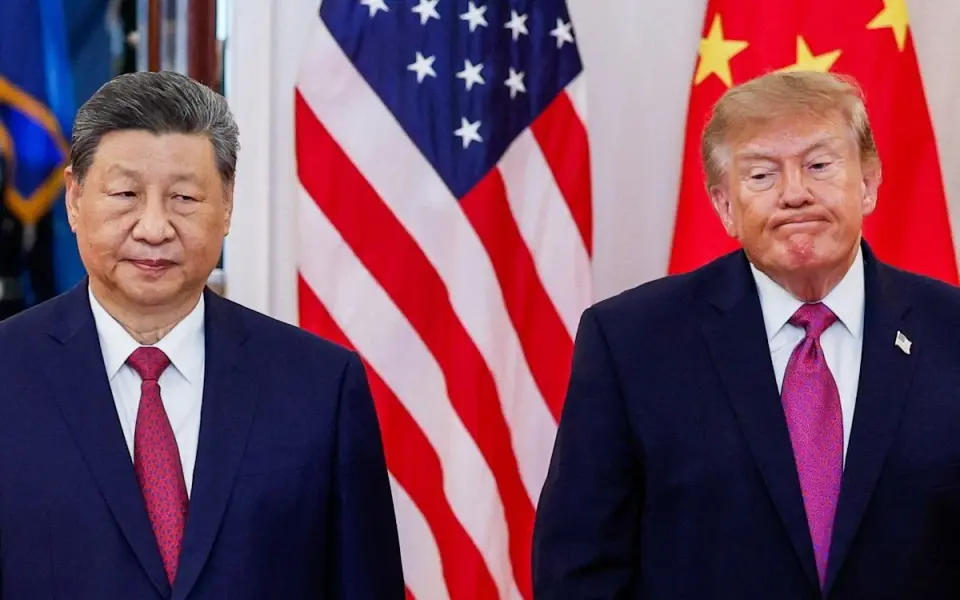
China conducted a large, unannounced naval exercise involving over 100 vessels around Taiwan and the western Pacific, simulating an extended isolation of the island. The drills, which peaked on November 3, occurred ahead of the APEC summit and a meeting between US President Donald Trump and Chinese President Xi Jinping. While Beijing described the activity as routine, Taiwan and Western analysts characterized it as 'silent intimidation' and a test of anti-access capabilities. The G7 issued its strongest collective statement of concern regarding China’s assertive activities in the region.
Key points
- Chinese forces deployed more than 100 naval and coastguard vessels, including the Liaoning carrier strike group, in the western Pacific and around Taiwan.
- The exercise included simulated attacks on foreign cities and a submarine-launched intercontinental ballistic missile from the Yellow Sea.
- Taiwan’s National Security Council described the unannounced drills as 'silent intimidation' intended to pressure Taipei before international summits.
- The G7 foreign ministers issued a joint statement condemning China’s 'increasingly assertive activities' as a threat to regional stability and freedom of navigation.
- The drills began around the Chinese Communist Party’s Fifth Plenum and continued through the APEC summit in Shenzhen.
Background
This escalation follows a pattern of increasing Chinese military activity near Taiwan, including the 'Justice Mission' exercises in December 2025. Recent tensions also include a US Navy ship entering disputed South China Sea waters in October 2026 and a US federal indictment of a Chinese national for spying on FedEx logistics facilities, which analysts link to broader efforts to track defense-related shipments.
How outlets are covering it
Taiwan’s officials, including National Security Council Secretary-General Joseph Wu, framed the drills as 'silent intimidation' and a 'big bully' tactic to force concessions without triggering a major international response. In contrast, the Institute for the Study of War (ISW) assessed that the low profile suggests the exercises were primarily for military training and normalizing a new status quo, rather than immediate political messaging. Beijing, via the Global Times, dismissed the activity as 'routine' and 'legitimate arrangements within China’s sovereignty,' while the G7 viewed the actions as a direct threat to regional stability and international shipping safety.
Why it matters
The scale and timing of these drills signal a shift in China’s military strategy toward sustained, normalized presence in the western Pacific, potentially altering the strategic balance in the Indo-Pacific. The G7’s unified response indicates a growing international consensus on the need to counter Beijing’s assertive tactics, while the proximity to the Trump-Xi summit highlights the complex interplay between military posturing and diplomatic negotiations.
What to watch
Analysts expect continued high-level naval activity around Taiwan as China seeks to solidify its 'new baseline' of operations. The outcome of the Trump-Xi meeting at the APEC summit will be critical in determining whether diplomatic channels can mitigate the tensions created by these military exercises. Additionally, the potential trilateral summit involving the US, China, and Russia may influence global governance norms, particularly regarding artificial intelligence in nuclear command and control.
- China surrounds Taiwan with 100 ships before Trump-Xi summit Yahoo
- China stages unannounced Pacific drills in 'silent intimidation' of Taiwan, officials say Reuters
- China & Taiwan Update, November 13, 2026 Institute for the Study of War
- Is the PLA rehearsing operations to keep US forces out of a Taiwan conflict? South China Morning Post
- Taiwan welcomes G7’s stance on Strait Taipei Times
Want the full story? Read the original reporting
Read on Yahoo